
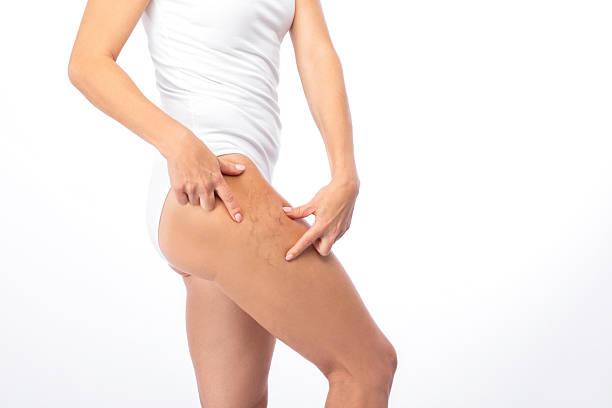
Preparing for a medical consultation is an important step when you are experiencing symptoms such as disproportionate fat accumulation, tenderness, easy bruising, or heaviness in your arms or legs. A well-prepared appointment allows you to explain your concerns clearly, understand the possible causes, and discuss suitable care options with a specialist. If you are considering Treatment of lipedema in Riyadh (علاج الوذمة الشحمية في الرياض), knowing what information to bring and which questions to ask can help you make better-informed decisions about your health.
Lipedema is a chronic condition that primarily affects women and commonly involves the hips, thighs, buttocks, and lower legs. It can also affect the upper arms and may cause discomfort that interferes with everyday activities. Because its symptoms can overlap with other conditions, a consultation is an opportunity to review your medical history and receive an appropriate assessment. Preparing in advance can make discussions about Treatment of lipedema in Riyadh more productive and help ensure that your individual concerns are addressed.
Why Is a Lipedema Consultation Important?
A consultation helps a healthcare professional understand your symptoms, examine the affected areas, and consider whether your concerns may be related to lipedema or another medical condition. There is no single blood test or scan that confirms lipedema, so diagnosis generally relies on medical history and physical examination.
During the appointment, the specialist may discuss when your symptoms began, whether they have changed over time, and whether other family members have experienced similar concerns. This information helps guide further assessment and determine whether additional investigations are needed.
What Information Should You Prepare Before Your Appointment?
Organizing your medical information before the consultation can help you explain your experience more accurately.
1. Make a List of Your Symptoms
Write down the symptoms you have noticed and the areas they affect. Consider including:
-
Pain, tenderness, or sensitivity when the affected areas are touched.
-
Easy bruising without an obvious injury.
-
Heaviness or discomfort in the arms or legs.
-
Symmetrical enlargement around the hips, thighs, calves, or upper arms.
-
Changes in mobility or difficulty with everyday activities.
-
Any swelling that appears or becomes worse during the day.
Mentioning when symptoms occur and what makes them better or worse can also help the specialist understand your concerns.
2. Record When the Symptoms Started
Try to remember when you first noticed changes in your body shape or physical comfort. Note whether symptoms developed gradually or became more noticeable during periods such as puberty, pregnancy, or menopause.
Lipedema may become apparent during hormonal transitions, although the exact cause is not fully understood. A timeline can help the specialist understand how your symptoms have developed.
3. Gather Your Medical History
Prepare information about previous diagnoses, surgeries, medications, allergies, and ongoing health concerns. If you have previously been assessed for leg swelling, circulation problems, or lymphatic conditions, bring any relevant reports.
A family history of similar symptoms may also be useful because lipedema can occur in multiple members of the same family.
4. Bring Previous Medical Reports
If you have undergone medical examinations or investigations, bring the available reports. These may help the specialist understand what has already been assessed and whether further evaluation is appropriate.
Photographs showing changes over time may also be useful if you feel comfortable sharing them. They should support, not replace, a clinical examination.
What Happens During a Lipedema Consultation?
The consultation usually begins with a discussion of your symptoms and medical history. The specialist may ask about discomfort, bruising, family history, and changes in the affected areas.
A physical examination may include assessing:
-
The distribution and symmetry of fat accumulation.
-
Areas of tenderness or sensitivity.
-
Skin and tissue texture.
-
Whether the hands and feet are relatively spared.
-
Signs of additional swelling or other conditions.
The healthcare professional may recommend further investigations if another cause of swelling or enlargement needs to be ruled out. The purpose is to develop a clearer understanding of your condition before discussing treatment.
Questions to Ask Your Lipedema Specialist
Preparing questions can help you understand your diagnosis and available options. Consider asking:
Is Lipedema the Likely Cause of My Symptoms?
Ask how your symptoms and examination findings compare with common features of lipedema. You can also ask whether another condition could explain the changes.
Which Areas of My Body Are Affected?
Understanding the distribution of symptoms can help you discuss the areas that may need attention and whether additional assessment is necessary.
Which Treatment Options Are Appropriate?
Ask about conservative management, compression garments, physical activity, manual lymphatic drainage when indicated, and whether specialized liposuction may be suitable.
What Results Can I Realistically Expect?
Every patient has different needs. Ask how the recommended approach may affect your symptoms, mobility, and daily comfort, and whether long-term management may still be necessary.
What Are the Possible Risks and Limitations?
If surgery is discussed, ask about potential complications, recovery requirements, and how the procedure is performed. Understanding limitations is important before making a decision.
How Should You Prepare for a Treatment Discussion?
You do not need to make a treatment decision during your first appointment. Instead, focus on understanding the assessment and discussing options that suit your medical needs.
If conservative care is recommended, ask how to use compression garments correctly and which activities may support mobility. If surgery is being considered, discuss whether you are a suitable candidate, how surrounding lymphatic structures are protected, and what follow-up care may involve.
A suitable Treatment of lipedema in Riyadh plan should be individualized. It should consider your symptoms, overall health, affected areas, and personal expectations rather than relying on a standard approach for every patient.
What Should You Avoid Before the Consultation?
There is generally no need to make major changes to your routine before a standard consultation unless your healthcare professional has advised you otherwise. Avoid starting unfamiliar treatments or intensive massage techniques simply to prepare for the appointment.
Do not stop prescribed medication without medical guidance. If you experience sudden swelling in one limb, especially with pain, warmth, or redness, seek prompt medical assessment rather than waiting for a routine consultation. Chest pain or sudden shortness of breath requires emergency care.
Book Your Appointment at Royal Clinic Saudia
If you have concerns about persistent limb enlargement, tenderness, or other possible signs of lipedema, a professional consultation can help you understand your symptoms and suitable next steps. Contact Royal Clinic Saudia (عيادات رويال كلينك) to book an appointment and discuss an individualized assessment and management plan.
FAQs:
Do I need medical reports for a lipedema consultation?
Previous medical reports can be helpful, but they are not always necessary for an initial appointment. Bring any relevant records, investigation results, and medication information you already have.
Should I take photographs before my consultation?
Photographs are optional but may help show how your body shape has changed over time. They can provide additional context during the discussion but cannot replace a physical examination.
Will the specialist recommend surgery during the first consultation?
Not necessarily. The first appointment generally focuses on understanding symptoms, reviewing medical history, and assessing whether lipedema or another condition may be present. Treatment recommendations depend on the findings.
How long does a lipedema consultation take?
The duration varies according to your medical history, symptoms, and the complexity of the assessment. Allow enough time to discuss your concerns, answer questions, and understand the recommended next steps.

 English
 French
 Deutsch
 Turkish
 Italiano
 Russian