
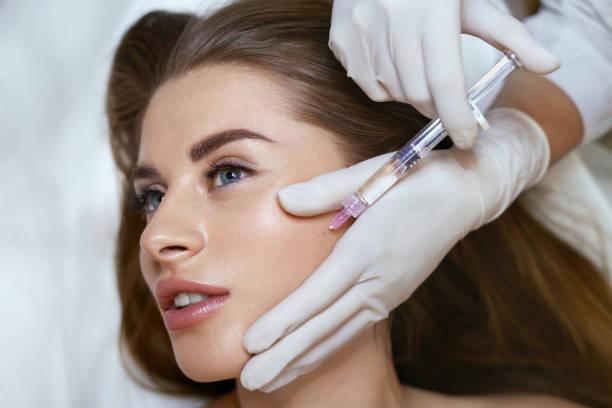
Scars develop when the skin repairs itself after an injury, surgery, acne, burns, or inflammation. Although healing is a natural process, the repaired tissue may look or feel different from the surrounding skin. Changes in texture, thickness, colour, and flexibility can make scars noticeable. Advances in regenerative medicine have encouraged researchers to explore whether stem cells may support skin repair and scar management. For people researching Stem Cell Therapy in Riyadh, understanding its potential role in improving scar appearance can help set realistic expectations.
Stem cells are specialized cells that can develop into certain cell types and release biological signals involved in tissue maintenance and repair. Researchers are investigating whether these properties may influence the processes responsible for scar formation and skin remodeling. However, the evidence for cosmetic stem cell treatments remains limited, and they should not be considered guaranteed solutions for removing scars. The appropriate approach depends on the scar type, its age, its severity, and the patient's skin condition.
Understanding How Scars Develop
Scars form when the body repairs damaged skin by producing new tissue. During healing, collagen and other structural components help close the injured area and restore protection. The repaired tissue may not have the same structure as the original skin, which can lead to visible differences.
Common Types of Scars
Different scars have different characteristics, so identifying the type is important before selecting a treatment.
-
Atrophic scars: These appear as depressions or indentations in the skin and are commonly associated with acne.
-
Hypertrophic scars: These are raised scars that remain within the boundaries of the original injury.
-
Keloid scars: These are raised scars that grow beyond the original wound and may continue developing over time.
-
Contracture scars: These can develop after significant skin injuries, including burns, and may cause tightening that affects movement.
-
Post-surgical scars: These form after surgical incisions and can vary in appearance depending on healing and individual skin characteristics.
How Might Stem Cells Influence Scar Repair?
Stem cell research is exploring how certain cells and their biological signals may influence the skin's natural repair processes. Rather than simply covering a scar, researchers are interested in how regenerative approaches might affect the tissue environment.
Supporting Tissue Repair Processes
Some stem cells release signaling molecules that communicate with surrounding cells. These signals may influence inflammation, cellular activity, and tissue remodeling.
Researchers are investigating whether these processes could eventually contribute to improved healing in selected conditions. However, laboratory findings and early research do not automatically establish that a cosmetic treatment will improve visible scars in routine clinical practice.
Exploring Collagen Regulation
Collagen is a major structural protein involved in skin strength and repair. During wound healing, the body produces and organizes collagen to restore damaged tissue. Differences in collagen production and arrangement can contribute to raised, thickened, or uneven scars.
Researchers are studying whether stem cell-related signals may influence collagen-producing cells and tissue remodeling. However, there is not enough consistent clinical evidence to promise that stem cell-based procedures can normalize scar tissue.
Investigating Skin Texture and Elasticity
Some regenerative research examines whether cell-based approaches may influence skin structure, flexibility, and surface appearance. These areas are relevant to scars that cause uneven texture or changes in skin elasticity.
Nevertheless, the results of experimental studies should not be interpreted as proof that stem cell therapy can remove established scars or restore skin to its original condition.
Can Stem Cell Therapy Help With Different Types of Scars?
The potential role of stem cell-based approaches may differ depending on the type of scar. Research is ongoing, and many cosmetic applications are not established treatments.
Acne Scars
Acne scars can appear as small depressions, deep pits, or uneven skin texture. Researchers are exploring regenerative approaches for their potential effects on tissue remodeling. However, established treatments such as microneedling, selected laser procedures, and other dermatologist-directed options may be more appropriate depending on scar type.
Surgical Scars
Surgical scars develop as the skin heals after an incision. Their appearance depends on factors such as wound depth, healing, skin characteristics, and the location of the incision. Although regenerative medicine is being studied for wound repair, stem cell-based cosmetic treatment is not a proven method for eliminating mature surgical scars.
Burn Scars
Burn scars may involve changes in skin texture, thickness, colour, and flexibility. Severe cases can cause contractures that restrict movement. These scars require careful medical assessment, and treatment may involve specialist wound care, rehabilitation, surgical procedures, or other established approaches.
Raised Scars and Keloids
Raised scars and keloids involve changes in the wound-healing response and collagen production. They can require specialized management, and some treatments may include corticosteroid injections, silicone-based products, or other dermatologist-recommended procedures. Stem cell therapy is not an established routine treatment for keloids.
Stem Cell Therapy Compared With Other Scar Treatments
Several established treatments are used to improve the appearance or symptoms of scars. The choice depends on the type, location, and severity of the scar.
Microneedling
Microneedling creates controlled micro-injuries in the skin and may stimulate wound-healing processes. It is used for selected acne scars and texture irregularities, although multiple sessions may be required.
Laser Treatments
Certain laser procedures target specific skin concerns, including uneven texture, redness, and some types of scar tissue. The appropriate laser depends on the scar's characteristics and the patient's skin type.
Chemical Peels
Chemical peels use selected solutions to exfoliate the outer layers of the skin. They may help with certain superficial marks and uneven pigmentation, but they are not suitable for every scar type.
Surgical and Dermatological Treatments
Some raised, restrictive, or complex scars may require specialist procedures. Treatment can involve injections, surgical revision, or a combination of approaches based on medical evaluation.
When considering Stem Cell Therapy in Riyadh, patients should ask how the proposed approach compares with established scar treatments and whether reliable clinical evidence supports its use for their specific scar type.
Factors That Influence Scar Treatment Outcomes
Scar appearance and treatment response vary between individuals. Several factors may influence the outcome of any scar-management plan.
-
Scar type: Depressed, raised, and contracture scars require different treatment approaches.
-
Scar age: Newer and older scars may respond differently to treatment.
-
Skin characteristics: Skin tone, sensitivity, and healing tendencies can influence treatment selection.
-
Scar location: Areas exposed to movement or tension may heal differently.
-
Underlying health: Certain medical conditions and medications can affect wound healing.
-
Treatment method: The suitability and effectiveness of a procedure depend on the scar and supporting clinical evidence.
Is Stem Cell Therapy a Proven Treatment for Scar Removal?
Stem cell research offers interesting possibilities for understanding tissue repair, but many cosmetic applications remain experimental. There is currently insufficient evidence to establish stem cell therapy as a reliable routine method for removing acne scars, keloids, surgical scars, or burn scars.
Patients should be cautious of claims promising complete scar removal, permanent skin restoration, or guaranteed results. A qualified dermatologist or relevant specialist can assess the scar and explain which treatments have established evidence for the specific concern.
Understanding Stem Cell Therapy in Riyadh involves distinguishing between ongoing regenerative research and treatments that are already accepted in clinical practice. This helps patients make informed choices and avoid procedures based on unsupported claims.
Discuss Scar Treatment Options at Royal Clinic Saudia
If you are concerned about acne scars, surgical marks, or other skin irregularities, Royal Clinic Saudia can be a starting point for discussing your concerns with qualified professionals. A consultation can help you understand suitable dermatological options, their limitations, and the importance of choosing treatments based on your individual skin condition.
FAQs:
Can Stem Cell Therapy Completely Remove Scars?
There is no reliable evidence that stem cell therapy can completely remove scars. Research is ongoing into its possible role in tissue repair and remodeling, but many cosmetic applications remain experimental.
Can Stem Cell Therapy Help Improve Acne Scars?
Stem cell-based approaches are being investigated for their potential effects on skin repair and texture. However, they are not established routine treatments for acne scars. Options such as microneedling and selected laser procedures may be considered after professional assessment.
Is Stem Cell Therapy Suitable for Keloid Scars?
Stem cell therapy is not an established routine treatment for keloids. These raised scars may require specialist management using approaches such as injections, silicone-based products, or other dermatological procedures.
What Is the Best Treatment for Improving Scar Appearance?
The most appropriate treatment depends on the scar type, size, location, and age. A dermatologist can evaluate the affected area and recommend evidence-based options based on individual needs.

 English
 French
 Spanish
 Turkish
 Italiano
 Russian