
For truck drivers and fleet managers, time on the road matters. A delayed delivery can affect customers, disrupt schedules, and increase operating costs. When a semi-truck breaks down or a loaded tractor-trailer becomes stuck, getting the right help quickly becomes a priority. This is where Heavy Duty Truck Towing plays an important role in keeping commercial transportation running as smoothly as possible.
Unlike standard towing for passenger cars, heavy-duty towing involves large vehicles that require specialized recovery trucks, suitable equipment, and trained operators. Whether the problem occurs on a busy highway, a rural road, or a construction site, professional towing support helps drivers deal with unexpected situations safely and efficiently.
What Is Heavy Duty Truck Towing?
Heavy duty truck towing is a service designed to move disabled, damaged, or immobilized commercial vehicles. These vehicles are often too large or heavy for conventional tow trucks, making specialized equipment necessary.
Common vehicles that may require heavy-duty towing include:
- Semi-trucks and tractor-trailers
- Commercial buses and motorhomes
- Box trucks and large delivery vehicles
- Construction equipment and heavy machinery
The type of assistance required depends on the vehicle's weight, condition, location, and the reason it cannot continue moving. A truck with engine trouble may need transportation to a repair facility, while a vehicle stuck in mud could require a winch-out or recovery operation.
Understanding these differences helps drivers communicate their needs and request the appropriate service.
Common Situations That Call for Heavy Truck Towing
Commercial trucks operate under demanding conditions. Long driving hours, heavy loads, changing weather, and rough roads can all contribute to unexpected problems.
1. Mechanical Breakdowns
Engine failure, transmission trouble, overheating, and brake problems can leave a truck stranded. Even when a problem appears minor, continuing to drive may cause further damage or create a safety hazard.
A heavy-duty towing company can move the disabled vehicle to a suitable repair shop. When requesting assistance, drivers should explain the warning signs, describe the truck's condition, and provide their exact location whenever possible.
2. Accidents Involving Large Trucks
Commercial vehicle accidents can create complicated recovery situations. A tractor-trailer may leave the roadway, block traffic, or become unstable after a collision.
Recovering a damaged truck requires careful planning and equipment suited to its size and condition. Depending on the incident, the recovery crew may need to reposition the vehicle, use specialized winching systems, or arrange transportation after the scene is safe to access.
3. Trucks Stuck in Mud or Ditches
Construction sites, unpaved roads, and rural properties can present challenges for heavy vehicles. Wet ground and loose surfaces may cause tires to lose traction, leaving a loaded truck unable to move.
Professional winch-out services can help recover a vehicle when conditions permit. The recovery team must consider ground stability, vehicle weight, and the available space before selecting a suitable method.
4. Cargo and Load-Related Problems
A shifted load can affect a truck's balance and make it unsafe to continue the journey. In certain situations, cargo may need to be repositioned or transferred before the vehicle can be moved.
Some heavy-duty towing providers offer load-shift assistance and cargo transfer services. These services can help drivers and fleet operators manage unexpected transportation problems while reducing the risk of additional damage.
Why Specialized Equipment and Experience Matter
A commercial truck carrying a full load presents different challenges from a passenger car. Its weight, dimensions, and axle configuration affect how it can be lifted, connected, recovered, and transported.
Heavy-duty towing providers use equipment designed for large vehicles, including heavy recovery trucks and powerful winching systems. Operators must also consider the road surface, traffic conditions, vehicle stability, and surrounding obstacles.
Choosing a provider with experience in commercial vehicle recovery can help reduce the likelihood of improper towing and additional damage. It also allows drivers to explain the situation to people who understand the practical challenges involved.
Before requesting service, provide the truck's approximate size and weight, describe any visible damage, and mention whether the vehicle is carrying cargo. These details help the towing company determine what equipment may be needed.
How to Choose a Heavy Duty Truck Towing Company
When a truck breaks down, choosing a towing company is not simply about finding the lowest price. The provider needs to have the right capabilities for the specific situation.
Here are several points worth considering:
- 24/7 availability: Roadside emergencies can happen at any hour, so round-the-clock service can be valuable for commercial drivers.
- Relevant experience: Ask whether the company regularly handles semi-trucks, tractor-trailers, buses, and other large vehicles.
- Appropriate equipment: The provider should have access to equipment suitable for the truck's size and recovery needs.
- Service coverage: Confirm that the company operates in the area where your vehicle has broken down.
- Transparent pricing: Ask about mileage, hookup charges, recovery fees, and other possible costs when circumstances allow.
Fleet managers can also prepare for emergencies by keeping a list of towing providers and roadside assistance contacts where drivers can access it easily.
Heavy Duty Truck Towing Services in North Georgia
For truck drivers traveling through North Georgia, having access to a local towing provider can be helpful when an unexpected breakdown interrupts a trip.
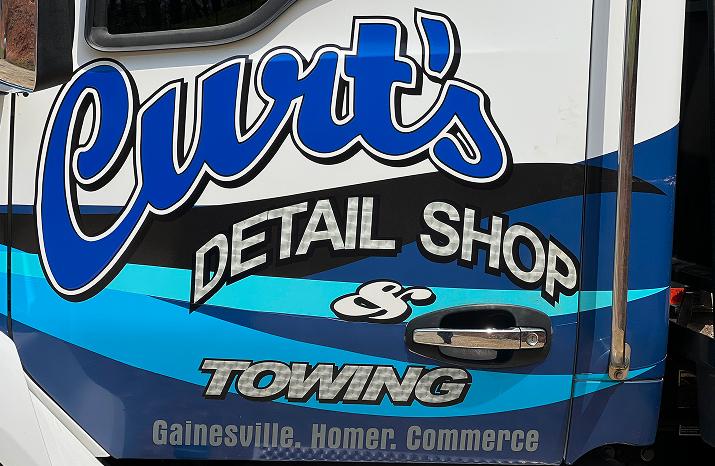
Curt's Heavy Towing serves commercial drivers and businesses across the region, including Commerce, Gainesville, Jefferson, Oakwood, Flowery Branch, Lula, Cleveland, Cornelia, and Homer.
The company provides heavy-duty towing and recovery services for semi-trucks, buses, RVs, and construction equipment. Other services include winch-outs, accident recovery, and load shifts or transfers. As a family-owned business with more than 20 years of experience, Curt's Heavy Towing assists drivers facing a range of large-vehicle roadside problems.
Whether a commercial truck needs transportation to a repair facility or a vehicle requires recovery after becoming stuck, having a local service provider to contact can simplify the process.
Preparing for Unexpected Roadside Emergencies
Although some breakdowns happen without warning, basic preparation can help drivers handle them more effectively.
Keep up with scheduled maintenance, pay attention to unusual noises or dashboard warnings, and address mechanical problems before they become more serious. Save the contact information for a heavy-duty towing provider before you need assistance.
If a breakdown occurs, move the vehicle away from traffic when possible without creating additional risk. Activate hazard lights, follow applicable roadside safety procedures, and share your location and vehicle details with the towing company.
These steps can help the recovery team understand the situation and prepare for the job.
Heavy-duty truck Towing breakdowns can affect delivery schedules, operating expenses, and road safety. Having access to professional towing and recovery services gives commercial drivers a practical way to respond when a vehicle cannot continue its journey.
From mechanical failures and accident recovery to winch-outs and cargo-related issues, specialized towing providers handle challenges that ordinary towing services may not be equipped to manage.
For trucking businesses operating in North Georgia, keeping a dependable towing contact available is a sensible part of planning for roadside emergencies. When problems occur, the right assistance can help get the vehicle to a suitable location and put the next steps into motion.

 English
 French
 Spanish
 Turkish
 Italiano
 Russian