
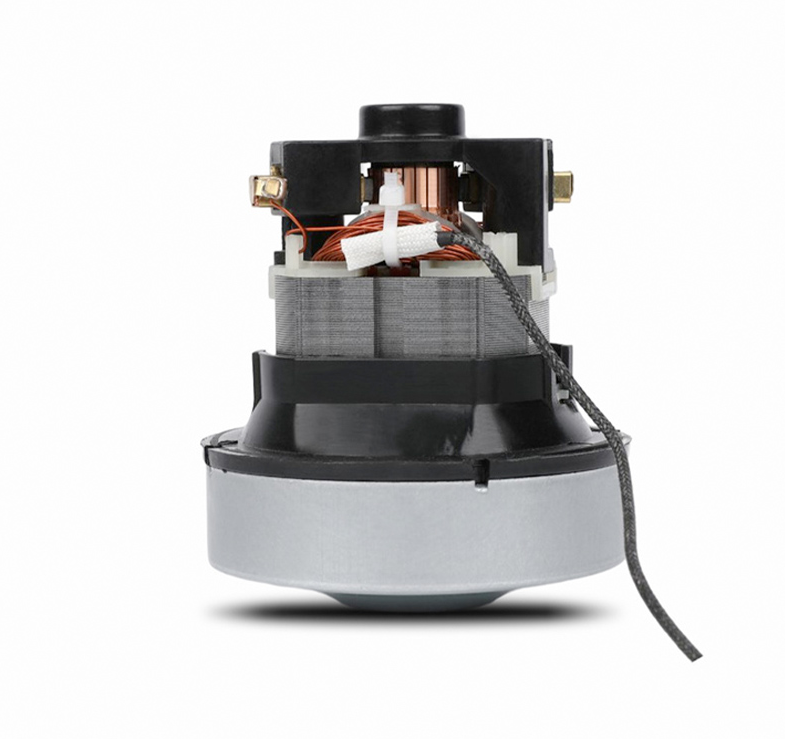
Dry suction motors are the heart of vacuum cleaners, providing the suction power necessary to remove dirt, dust, and debris from various surfaces. These motors are designed to operate quietly and efficiently, even when dealing with large volumes of dirt or prolonged use.
One of the primary considerations in the design of dry suction motors is the balance between power and energy consumption. A good motor will deliver strong suction without drawing excessive power, which can lead to higher electricity bills and reduced motor life. Many modern dry suction motors incorporate energy-saving features, such as variable speed controls, to help users manage their energy usage.
The materials used in the construction of dry suction motors are also important. High-quality motors often use durable materials that can withstand the rigors of daily use, including the wear and tear caused by the constant movement of internal components. This durability ensures that the motor remains reliable and efficient over time.
Maintenance of a dry suction motor typically involves regular cleaning of the filter and checking for any signs of damage or wear. It's important to keep the motor and its surrounding components free from dust and debris to prevent any interference with its operation. Users should also be mindful of the motor's operating temperature and avoid using the vacuum cleaner for extended periods without breaks to allow the motor to cool down.
In conclusion, dry suction motors are a critical component of vacuum cleaners, responsible for the device's primary function of cleaning. They must be powerful, efficient, and durable to provide the best possible cleaning performance. Regular maintenance and care can significantly extend the life of the motor and ensure that the vacuum cleaner continues to perform at its best.

 English
 French
 Spanish
 Deutsch
 Italiano
 Russian