
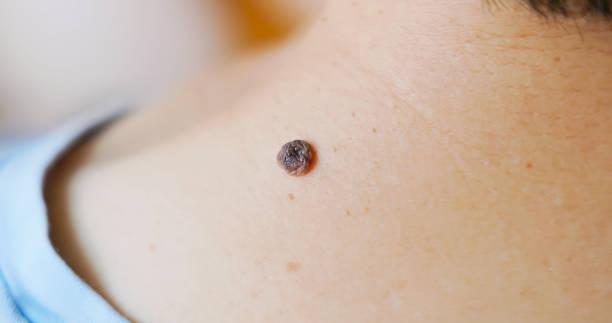
Thick warts on the feet can make walking, standing, and everyday movement uncomfortable, particularly when they develop on weight-bearing areas such as the heels or balls of the feet. These growths may have a rough surface, hardened skin, and small dark dots, and they can sometimes resemble ordinary calluses. Warts removal treatment in Riyadh offers different clinical approaches for managing persistent foot warts, depending on their thickness, location, symptoms, and response to previous care. Understanding the causes of thick plantar warts and the available treatment options can help patients make informed decisions about their foot health.
Understanding Thick Warts on the Feet
Plantar warts develop on the soles of the feet and are associated with certain types of human papillomavirus (HPV). The virus can enter the skin through tiny cuts, cracks, or other small areas of damage. Pressure from standing and walking may cause these warts to grow inward, making them feel tender when weight is placed on the affected area.
Thick plantar warts can develop a layer of hardened skin over their surface. They may appear as rough, grainy patches that interrupt the natural lines of the skin. Small dark dots may also be visible, representing tiny blood vessels.
Some plantar warts occur individually, while others develop in clusters. These clusters are sometimes called mosaic warts. Although many plantar warts are harmless, their location can make them uncomfortable and interfere with daily activities.
Why Thick Plantar Warts Can Become Painful
The feet carry body weight throughout the day, placing repeated pressure on the soles. When a wart develops in a high-pressure area, walking can compress the affected tissue and cause discomfort. Thickened skin surrounding the wart may add to the pressure and make the area harder to manage.
Patients may also experience tenderness when wearing tight shoes, exercising, or standing for extended periods. Attempting to cut or aggressively scrape the thickened skin can cause bleeding, irritation, and possible infection.
Not every thick patch on the foot is a wart. Calluses, corns, and other skin conditions can look similar. A healthcare professional can examine the area and recommend appropriate care. This is especially important for people with diabetes, poor circulation, reduced foot sensation, or impaired wound healing.
Warts Removal Treatment in Riyadh: Available Options
Treatment depends on the wart's thickness, location, number, and previous response to care. Some plantar warts disappear without intervention, while others remain for months or longer. A clinician can help determine whether treatment is necessary and which method may be appropriate.
Topical Treatments for Thick Warts
Topical products containing salicylic acid are commonly used for certain plantar warts. They gradually soften and remove layers of thickened skin, allowing the affected tissue to be reduced over time. Treatment often requires regular use over several weeks, and thick warts may take longer to respond.
These products must be used according to the label or professional instructions. Applying them to healthy skin can cause irritation or chemical burns. People with diabetes, circulation problems, reduced sensation, or conditions that affect healing should not self-treat foot warts without medical advice.
Cryotherapy
Cryotherapy involves freezing wart tissue with a very cold substance, commonly liquid nitrogen. The treated tissue gradually breaks down and sheds as the skin recovers.
Thick plantar warts may require several sessions, and treatment can cause temporary pain, blistering, tenderness, or changes in skin pigmentation. Because the soles of the feet experience regular pressure, the clinician should explain how to protect the treated area during recovery.
Professional Reduction of Thickened Skin
In selected cases, a healthcare professional may carefully reduce some of the thickened surface skin to help assess the wart or support a treatment plan. This should be performed by a trained professional rather than attempted at home with blades or sharp tools.
Other clinical procedures may be considered for particularly persistent warts. The appropriate method depends on the diagnosis, the depth and location of the growth, and the individual's medical history. Potential risks, including pain, infection, scarring, and recurrence, should be discussed before treatment.
What to Expect During a Foot Wart Consultation
A consultation generally begins with questions about when the wart appeared, whether it causes pain, and how it affects walking. The clinician examines the growth, its surrounding skin, and its location on the sole or toes.
Previous treatments and any reactions to them are important to mention. Patients should also disclose relevant medical conditions, allergies, medications, and any history of foot wounds or healing difficulties.
If the growth has an unusual appearance or the diagnosis is uncertain, further assessment may be required. An accurate diagnosis helps prevent inappropriate treatment of a corn, callus, or another skin condition.
Caring for Your Feet After Treatment
Aftercare depends on the treatment used. Follow the clinician's instructions about cleaning, dressing, and protecting the treated area. Wear comfortable footwear that reduces unnecessary pressure on the affected part of the foot.
Avoid picking at blisters or scabs, cutting away thick skin, or applying additional wart-removal chemicals to recently treated tissue unless instructed. If walking becomes uncomfortable after a procedure, ask the treating professional how best to reduce pressure while the area heals.
Monitor the skin for increasing redness, swelling, worsening pain, discharge, or other signs of infection. Seek prompt medical advice if these occur. People with diabetes or reduced foot sensation should take particular care and seek professional guidance rather than managing a wound independently.
Reducing the Risk of Future Plantar Warts
The virus associated with plantar warts can spread through direct contact or contaminated surfaces, although exposure does not always lead to infection. Wearing footwear in communal showers and changing areas, keeping feet clean and dry, and avoiding the sharing of personal foot-care tools may help reduce exposure.
Do not scratch or pick at a wart, and avoid using the same file or pumice stone on unaffected skin. Keep any treated area protected as advised by your healthcare professional.
Even after treatment, plantar warts can return because the virus may remain in nearby skin. If a wart reappears or continues to cause pain, a follow-up assessment can help determine whether further treatment is appropriate.
Conclusion
Thick warts on the feet can cause discomfort because pressure and friction affect the affected skin during walking and standing. Treatment options may include topical products, cryotherapy, professional reduction of thickened skin, or other clinical procedures, depending on the individual case. Correct diagnosis, appropriate aftercare, and comfortable footwear can support effective management. For people considering Warts removal treatment in Riyadh, Royal Clinic Saudi can be a starting point for seeking information about professional skin assessment and suitable treatment options.
FAQs:
1. Why do plantar warts become thick?
Repeated pressure and the natural buildup of hardened skin can make plantar warts appear thick, particularly on areas of the foot that bear body weight.
2. Can thick warts on the feet disappear naturally?
Yes. Some plantar warts resolve without treatment, but others may persist or cause discomfort. A healthcare professional can help determine whether treatment is appropriate.
3. Is it safe to cut a thick foot wart at home?
No. Cutting a wart with a blade or sharp tool can cause bleeding, infection, and damage to surrounding skin. Seek professional advice for safe management.
4. How many treatments are needed for a thick plantar wart?
The number varies according to the wart's size, thickness, location, and response to treatment. Some warts need multiple sessions or a combination of approaches.

 English
 French
 Spanish
 Turkish
 Italiano
 Russian