
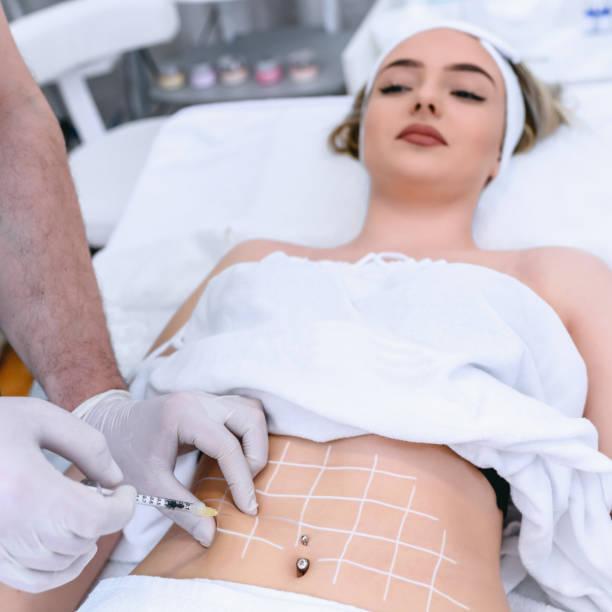
Body sculpting has become an option for people who want to improve the appearance of localized fat deposits and achieve more defined body contours. Different procedures use different methods to address fat, skin firmness, or overall body shape. Fat melting injections in Riyadh are one option people may explore when considering non-surgical fat reduction. However, comparing these injections with other treatments is important because each approach has different benefits, limitations, and safety considerations.
Body sculpting treatments are generally intended to address specific cosmetic concerns rather than provide significant weight loss. Some options involve injections, while others use controlled cooling, heat, ultrasound, or surgical techniques. The most appropriate choice depends on the treatment area, the amount of localized fat, skin elasticity, medical history, and the individual's expectations. Understanding these differences can help people make informed decisions with a qualified medical professional.
How Fat Melting Injections Compare With Other Treatments
Fat Melting Injections for Localized Fat Reduction
Fat-melting injections use specific substances intended to damage fat cells in a targeted area. The body gradually processes the affected cells, and visible changes may develop over time. These treatments may appeal to people who prefer an injectable approach rather than traditional surgery.
However, the evidence and approved uses vary by product. In the United States, deoxycholic acid is approved for reducing fat beneath the chin in appropriate adults, but it is not approved by the FDA for fat reduction in other body areas. Other products marketed as fat dissolvers may lack sufficient evidence or regulatory approval. Patients should confirm the product's authorization for the intended treatment area before proceeding.
Cryolipolysis for Non-Surgical Body Contouring
Cryolipolysis, commonly called fat freezing, uses controlled cooling to damage fat cells beneath the skin. The body gradually clears the affected cells, which may reduce the appearance of a localized bulge over time.
Unlike injections, cryolipolysis uses an external device rather than introducing a substance through a needle. It may be considered for suitable pockets of pinchable fat, depending on the device and treatment area. Results develop gradually, and more than one session may be recommended in some cases.
Cryolipolysis also has risks, including temporary swelling, bruising, discomfort, and numbness. A rare complication called paradoxical adipose hyperplasia can cause the treated area to become larger rather than smaller and may require surgical correction. Therefore, fat freezing should not be considered risk-free simply because it is non-surgical.
Radiofrequency Treatments for Fat and Skin Appearance
Radiofrequency body contouring uses energy to heat tissue beneath the skin. Depending on the device, the treatment may aim to reduce the appearance of localized fat, improve the appearance of cellulite, or produce some skin-tightening effects.
This approach differs from fat-melting injections because it relies on controlled energy rather than an injected substance. It may be considered when a person wants to address mild contour irregularities or certain concerns about skin firmness. However, outcomes vary by device and individual suitability, and radiofrequency treatments cannot guarantee substantial fat reduction or significant skin tightening.
A qualified clinician can explain whether the proposed device is authorized for the intended cosmetic use and whether it matches the patient's goals.
Liposuction for More Noticeable Fat Removal
Liposuction is a surgical procedure that removes fat through a small incision using a suction instrument. Compared with non-surgical methods, it can produce more substantial changes in selected areas when performed on an appropriate candidate.
However, surgery involves considerations such as anesthesia, recovery, and the risks associated with an invasive procedure. It may not be appropriate for everyone, and it does not replace weight management or guarantee perfect contours. People with significant loose skin may need an assessment to determine whether another procedure is necessary to address that concern.
For individuals seeking a noticeable change in the amount of fat in a particular area, liposuction may be worth discussing with a qualified surgeon. The decision should take account of overall health, desired results, and willingness to undergo surgery.
Which Body Sculpting Option May Be More Suitable?
The right procedure depends on the concern being treated rather than on which treatment is most popular. Someone with a small, localized fat deposit may be interested in a non-surgical option, while a person seeking a more significant reduction may need to consider surgical alternatives.
Skin elasticity is another important factor. Fat-reduction treatments do not necessarily correct loose skin, and reducing fat may not improve the appearance of an area when skin laxity is the primary concern. Similarly, treatments intended to improve skin firmness may not provide the same degree of fat reduction as procedures specifically designed for that purpose.
A consultation should include an assessment of the treatment area, relevant medical history, realistic expectations, and the evidence supporting the proposed procedure. Patients should also ask about possible side effects, recovery requirements, the number of sessions that may be needed, and the expected durability of the results.
Results and Recovery Across Different Treatments
Recovery varies depending on the method used. Injectable treatments may cause swelling, bruising, tenderness, or temporary changes in sensation. Cryolipolysis and radiofrequency treatments can also cause temporary discomfort or changes in the skin, while liposuction generally involves a more involved recovery process.
Results from non-surgical body contouring usually develop gradually and may be more subtle than those achieved through surgery. The time required to see changes depends on the technology, treatment area, and individual response. No procedure can guarantee an identical outcome for every patient.
Patients should follow their provider's aftercare instructions and attend recommended follow-up appointments. They should also understand that weight gain and natural changes in skin elasticity can affect body contours over time.
Book a Consultation at Royal Clinic Saudi
People considering Fat melting injections in Riyadh can contact Royal Clinic Saudi to discuss their body-contouring goals and explore available treatment options. A qualified clinician can assess the area of concern, review medical history, and explain the potential benefits, limitations, and risks of suitable procedures. This personalized approach helps patients compare injectable treatments with other options and make informed decisions based on their individual needs.
FAQs:
1. Are fat melting injections better than fat freezing?
Neither option is universally better. Suitability depends on the treatment area, the specific product or device, medical history, and expected outcome. A qualified clinician can help compare appropriate options.
2. Do fat melting injections provide results similar to liposuction?
Not necessarily. Injectable treatments generally target selected, localized areas and may produce more limited changes. Liposuction can remove more fat but involves surgery and a different recovery process.
3. Which body sculpting treatment is best for loose skin?
The most suitable option depends on the degree of skin laxity and whether localized fat is also present. Fat-reduction treatments do not automatically tighten excess skin, so a professional assessment is important.
4. Are non-surgical body sculpting treatments risk-free?
No. Injections and device-based procedures can cause side effects, and some complications may be serious. Patients should choose a qualified provider and confirm that the specific product or device is appropriate for the intended treatment area.

 English
 French
 Deutsch
 Turkish
 Italiano
 Russian