
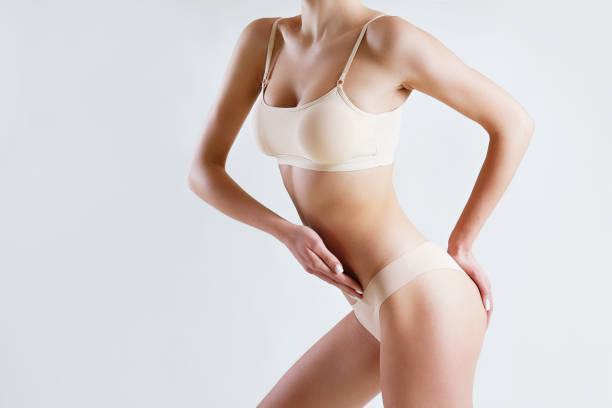
Understanding Sagging Skin and Its Causes
Skin contains collagen and elastin, which contribute to its strength and flexibility. Over time, these structural proteins change, and the skin may become less elastic. Significant weight loss can also leave excess skin around the thighs and upper arms. Genetics, ageing, and individual skin characteristics influence how noticeable this laxity becomes. Understanding the underlying cause helps a qualified clinician recommend an appropriate treatment rather than relying on a one-size-fits-all approach.
What Is J Plasma Skin Tightening?
J Plasma, also known as Renuvion, combines helium plasma with radiofrequency energy to produce a controlled thermal effect in targeted tissue. The technology is designed to encourage tissue contraction and improve the appearance of loose skin during selected procedures. It may be considered for body-contouring treatments involving the upper arms and thighs. A medical assessment is essential to determine whether the procedure is appropriate for your skin condition, anatomy, and health.
How J Plasma Addresses Sagging Skin
The procedure uses specialised equipment to deliver energy beneath the skin, creating a controlled effect in the underlying tissue. This process is intended to promote tissue contraction and improve skin firmness. Depending on individual needs, a clinician may recommend J Plasma alongside liposuction. Liposuction removes localised fat, whereas J Plasma focuses on tissue tightening. The suitability of combining these procedures depends on the patient's anatomy and the extent of skin laxity.
Benefits of J Plasma for Thighs and Arms
People exploring J plasma for thighs and arms in Riyadh often want to improve skin firmness and achieve more defined body contours. The procedure may offer potential benefits for selected candidates, although results vary according to skin quality and individual healing.
Improving the Appearance of Loose Skin
Loose skin around the upper arms may affect their definition, while sagging around the thighs can make the skin appear less smooth. J Plasma may help improve the appearance of these areas by encouraging tissue contraction. The degree of improvement depends on the severity of laxity and the individual's response to treatment.
Supporting Better Body Contours
When clinically appropriate, J Plasma may complement liposuction to address skin laxity following fat removal. This combination may help selected patients achieve smoother-looking contours. However, it does not guarantee a particular shape, and people with substantial excess skin may benefit more from surgical skin removal.
Developing an Individualised Treatment Plan
The upper arms and thighs have different skin characteristics and tissue structures. A personalised plan considers the condition of each area, overall health, and aesthetic expectations. A qualified clinician can explain whether J Plasma or an alternative procedure is likely to be more suitable.
Who May Be Suitable for J Plasma?
J Plasma may be considered for adults with mild to moderate skin laxity who want to improve the appearance of their arms or thighs. Suitability depends on skin elasticity, medical history, general health, and treatment goals. People with significant excess skin may require surgical treatment instead. During a consultation, the clinician should also review medications, smoking status, previous procedures, and other factors that could affect safety and recovery.
What to Expect During the Procedure
The treatment process begins with a consultation and examination of the intended areas. The clinician reviews medical history, discusses realistic outcomes, and explains the technique, anaesthesia requirements, and potential complications. If treatment is appropriate, it is performed in a suitable medical setting using specialised equipment. The duration and approach depend on the treatment plan and whether additional procedures are performed simultaneously.
Recovery and Aftercare
Recovery varies according to the procedure and individual healing. Temporary swelling, bruising, tenderness, and discomfort may occur. Patients should follow their clinician's instructions regarding wound care, compression garments, activity restrictions, and follow-up visits. Strenuous exercise should be avoided until medical clearance is provided. Severe or worsening pain, difficulty breathing, fever, or rapidly increasing swelling requires prompt medical attention.
Results and Long-Term Skin Care
The results of J plasma for thighs and arms in Riyadh depend on skin quality, the severity of sagging, and the treatment technique. Changes may become more noticeable as swelling subsides, while tissue healing continues. Maintaining a stable weight and following healthy lifestyle habits can support overall skin health, but they cannot guarantee lasting tightness. Potential complications, including burns, scarring, fluid collections, and contour irregularities, should be discussed with a qualified clinician before proceeding.
Book an Appointment at Royal Clinic Saudi
If you are concerned about sagging skin around your thighs or upper arms, contact Royal Clinic Saudi to arrange a consultation. Discuss your aesthetic goals, explore available body-contouring options, and ask whether J Plasma may be appropriate for your needs. A qualified medical professional can explain the potential benefits, limitations, risks, and realistic outcomes before you make a treatment decision.
FAQs:
1. Can J Plasma help with sagging skin?
It may improve skin tightness in selected patients, but results vary.
2. Can J Plasma treat both thighs and arms?
It may be considered for both areas following a professional assessment.
3. Is J Plasma suitable for severe sagging?
Not always. Significant excess skin may require surgical skin removal.
4. Are J Plasma results permanent?
Results may be long-lasting, but ageing and weight changes can affect skin firmness.

 English
 French
 Deutsch
 Turkish
 Italiano
 Russian