
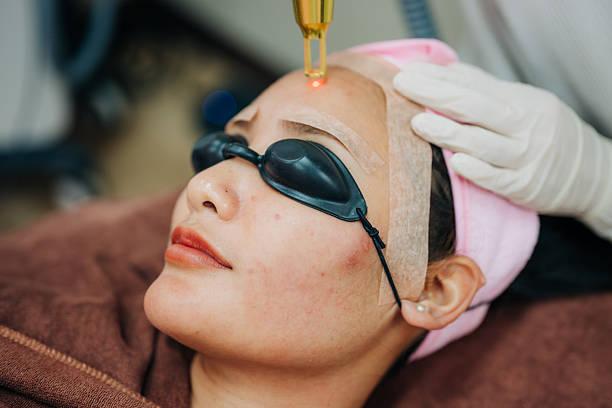
Collagen is an essential protein that helps keep the skin firm, resilient, and smooth. As people age, natural collagen production gradually declines, which can contribute to fine lines, wrinkles, and changes in skin texture. Fractional laser treatment is designed to stimulate the skin's natural repair processes, encouraging collagen remodeling that may improve selected signs of aging and scarring. Understanding how Fractional laser treatment in Riyadh (علاج فراكشنال ليزر في الرياض) supports collagen production can help patients learn how the procedure works and what results they may reasonably expect.
Fractional laser technology delivers controlled energy to tiny areas of the skin while leaving surrounding tissue relatively untouched. This targeted approach activates a healing response that can encourage the formation and reorganization of collagen over time. When considering Fractional laser treatment in Riyadh, it is important to understand that collagen production does not happen instantly. The skin needs time to recover, and visible improvements in firmness, texture, and certain scars may develop gradually over several weeks or months.
What Is Collagen and Why Is It Important for Skin?
Collagen is a structural protein found in the skin's dermis, the layer beneath the surface. It helps provide strength, support, and a degree of firmness. Together with elastin and other components of the skin's supporting structure, collagen contributes to a smoother appearance and helps the skin maintain its shape.
As collagen production and organization change with age, the skin may become less firm, and fine lines or wrinkles can become more noticeable. Sun exposure, smoking, and other environmental factors can also contribute to collagen breakdown. Treatments that stimulate controlled skin repair may help improve certain visible signs of these changes, although they cannot stop the natural aging process.
How Does Fractional Laser Treatment Trigger Collagen Production?
Creating Microscopic Treatment Zones
Fractional laser devices deliver energy in a pattern of tiny treatment zones rather than treating the entire skin surface uniformly. Depending on the device, the laser may remove microscopic columns of tissue or heat targeted areas beneath the surface.
The surrounding untreated tissue helps support the healing process. This fractional approach can allow the skin to repair treated areas while reducing the extent of surface injury compared with some fully ablative procedures.
Activating the Skin's Natural Healing Response
The controlled laser injury initiates a biological repair process. The body responds by coordinating inflammation, tissue repair, and remodeling. These processes involve different skin cells and signaling molecules that help repair the treated areas.
The healing response is a key part of how fractional laser treatment may improve texture and selected signs of skin aging. However, excessive injury can increase complications, which is why appropriate device selection and treatment settings matter.
Stimulating Fibroblasts
Fibroblasts are cells in the dermis that produce collagen and other components of the skin's supporting structure. Following controlled laser treatment, signaling processes involved in wound healing may stimulate fibroblast activity and new collagen formation.
Over time, the newly produced collagen and remodeling of existing tissue may contribute to changes in skin texture and the appearance of certain scars. The extent of improvement varies according to the laser used, treatment intensity, skin condition, and individual healing response.
Which Skin Concerns May Improve Through Collagen Remodeling?
Acne Scars
Certain depressed acne scars may improve when fractional laser treatment stimulates collagen remodeling and helps soften irregular skin texture. The degree of improvement depends on the scar type and depth. Deep or extensive scars may require several sessions or a combination of treatments.
Fine Lines and Wrinkles
Collagen remodeling may help soften the appearance of selected fine lines and mild wrinkles. Improvements develop gradually rather than immediately, and the procedure cannot eliminate every wrinkle or prevent future aging.
Uneven Skin Texture
Fractional laser treatment may help improve roughness and irregular texture by encouraging the skin to repair treated areas. Some patients notice a smoother appearance after recovery, with additional changes developing over the following weeks or months.
Mild Skin Laxity
Some fractional laser treatments may produce modest improvements in the appearance of skin firmness. However, they are not equivalent to surgical lifting procedures and may not provide substantial tightening when skin laxity is pronounced.
For patients exploring Fractional laser treatment in Riyadh, a consultation can help determine whether collagen remodeling is likely to address their particular skin concerns.
How Long Does Collagen Production Take After Fractional Laser Treatment?
Collagen remodeling occurs gradually. During the first few days, redness, swelling, warmth, and peeling may be more noticeable than any improvement. As the skin heals over the following days and weeks, early changes in texture may become visible.
New collagen formation and tissue remodeling can continue for several weeks to months. The exact timeline depends on the device, treatment intensity, and individual response. Some patients need multiple sessions, while others may see a useful improvement after one treatment.
It is important not to judge the final outcome while the skin is still inflamed or recovering. Your provider can assess progress at appropriate follow-up appointments.
What Is the Difference Between Ablative and Non-Ablative Fractional Lasers?
Ablative Fractional Lasers
Ablative fractional lasers remove microscopic portions of the skin's surface and treat deeper tissue. They can be used for selected scars and more pronounced texture concerns, but usually cause more visible inflammation and require a longer recovery period.
Non-Ablative Fractional Lasers
Non-ablative fractional lasers heat targeted tissue without removing the outer skin layer in the same way as ablative lasers. They often involve less downtime, although multiple sessions may be recommended for gradual improvement.
Both types may stimulate collagen-related repair processes, but their effects, risks, and recovery requirements differ. The appropriate option depends on the skin concern, skin tone, medical history, and tolerance for downtime.
How Can You Support Collagen Remodeling After Treatment?
Following your provider's aftercare instructions helps protect the skin while it heals. Consider these important measures:
-
Use a gentle cleanser and clinician-approved moisturizer.
-
Avoid picking, scratching, or pulling away peeling skin.
-
Pause retinoids, exfoliating acids, and other irritating products until your provider says they can be resumed.
-
Protect your skin from sunlight and use suitable broad-spectrum sunscreen once the skin can tolerate it.
-
Avoid additional irritating cosmetic procedures until your clinician confirms that your skin has recovered.
-
Attend recommended follow-up appointments to assess healing and progress.
People with darker skin tones or a history of melasma should discuss pigmentation risks before treatment because inflammation may trigger unwanted dark spots. Results vary, and good aftercare cannot guarantee a specific degree of collagen production or skin improvement.
Book a Consultation at Royal Clinic Saudia
If you want to improve acne scars, fine lines, or uneven skin texture, Royal Clinic Saudia (عيادات رويال كلينك) can help you explore whether fractional laser treatment may suit your needs. Book a consultation to discuss collagen remodeling, treatment options, potential risks, and realistic expectations for your skin.
FAQs:
Does fractional laser treatment really stimulate collagen production?
Fractional laser treatment can stimulate skin repair processes associated with new collagen formation and remodeling. The degree of response varies according to the laser type, treatment intensity, skin condition, and individual healing.
How long does it take to produce collagen after fractional laser treatment?
Collagen remodeling develops gradually over weeks and months. Early surface changes may appear sooner, but improvements in scars and texture often take longer to become noticeable. The timeline differs between patients.
Does more collagen mean tighter skin after fractional laser treatment?
Collagen remodeling may improve the appearance of firmness and texture, but the degree of tightening is generally limited and varies between individuals. Fractional laser treatment cannot reliably replace surgery or other treatments designed for substantial skin laxity.
Can fractional laser treatment stimulate collagen in darker skin tones?
It may be suitable for selected patients with darker skin tones, but careful treatment planning is important because inflammation can trigger pigmentation changes. A qualified provider should assess skin type, medical history, and the most appropriate laser settings before treatment.

 English
 French
 Deutsch
 Turkish
 Italiano
 Russian