
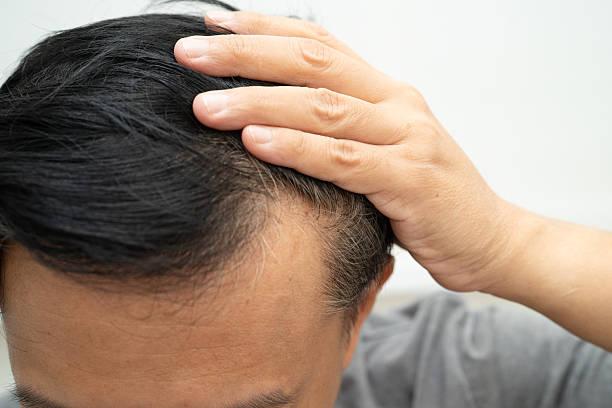
Platelet-rich plasma (PRP) hair treatment is a non-surgical procedure that uses a concentrated portion of a patient's own blood to support hair follicle health. It may help some people experiencing certain types of hair thinning, but it is not suitable for everyone. Medical history, current health conditions, medications, and the underlying cause of hair loss can all influence whether the procedure is appropriate. Before considering PRP Hair Treatment in Riyadh, patients should understand which factors may make treatment unsuitable or require additional medical assessment.
Although PRP uses material obtained from the patient's own blood, the procedure still involves blood collection and injections into the scalp. This means that certain medical conditions, blood-related disorders, active infections, and other health concerns may affect safety or treatment effectiveness. Anyone considering PRP Hair Treatment in Riyadh should receive an individual assessment from a qualified healthcare professional rather than assuming that the procedure is appropriate simply because it is non-surgical.
People With Certain Blood Disorders
PRP depends on collecting blood and concentrating platelets, which play a role in normal clotting and tissue repair. People with certain platelet disorders or significant abnormalities in platelet function may not be suitable candidates because these conditions can affect the preparation or potential usefulness of the treatment.
Patients with serious blood disorders should discuss their condition with an appropriate medical specialist before considering PRP. The clinician may need to review blood test results and determine whether the procedure can be performed safely. Suitability depends on the specific diagnosis, its severity, and the patient's overall health.
People With Low Platelet Counts
A low platelet count, known medically as thrombocytopenia, may affect the amount or quality of platelet-rich plasma that can be prepared. It may also increase bleeding or bruising concerns, depending on the cause and severity.
People who have been diagnosed with low platelet counts should inform their healthcare provider before treatment. A medical assessment may be necessary to determine whether PRP should be avoided or postponed. Do not assume that the blood-processing procedure will automatically correct an underlying platelet problem.
People Taking Blood-Thinning Medications
Certain anticoagulant and antiplatelet medications can affect bleeding and bruising risks. Some medicines may also influence platelet function, which can be relevant when preparing PRP.
Taking these medications does not automatically mean that every patient must avoid treatment. However, the prescribing clinician and PRP provider should review the medication, its purpose, and the patient's medical history before proceeding. Never stop or change prescribed blood-thinning medication without medical advice, as doing so may create serious health risks.
People With Active Scalp Infections or Skin Conditions
An active infection, open wound, or significant inflammation in the treatment area may make scalp injections inappropriate until the problem has been assessed and managed. Injecting through affected skin can increase the risk of complications or worsen irritation.
People experiencing painful scalp lesions, spreading redness, pus, or an unexplained rash should seek medical evaluation before scheduling PRP. Some chronic scalp conditions may require treatment first, while others may need additional precautions. The decision depends on the diagnosis and the condition of the skin.
People With Certain Medical Conditions
Some underlying health conditions may affect healing, infection risk, or the suitability of an elective procedure. For example, poorly controlled diabetes may require additional consideration because it can interfere with normal healing. Certain immune-system disorders or serious ongoing illnesses may also require specialist review.
Having a chronic condition does not automatically rule out PRP. A qualified healthcare professional should evaluate how well the condition is controlled, whether there are relevant complications, and whether the expected benefits justify the risks. Treatment may need to be delayed until a health concern is stabilised.
People With Active Cancer or Certain Blood Cancers
Patients with active cancer, particularly conditions affecting blood cells or the bone marrow, should seek advice from their oncology or haematology team before considering PRP. These conditions and their treatments can affect platelet counts, immune function, and healing.
There is not one universal rule for every cancer diagnosis. The decision depends on the type of cancer, current treatment, blood results, and advice from the relevant specialists. Cosmetic hair treatment should not take priority over essential medical care.
Pregnant or Breastfeeding Individuals
Elective PRP hair treatment is commonly postponed during pregnancy because there is limited evidence establishing its safety in this setting. During breastfeeding, evidence is also limited, so an individual medical assessment is advisable before proceeding.
Because PRP for hair restoration is generally elective, discussing the timing with a qualified healthcare professional can help patients make a cautious decision. The provider should consider the patient's circumstances and explain whether waiting would be the more appropriate option.
People With Hair Loss That Requires a Different Treatment
PRP is not effective for every cause of hair loss. People with sudden patchy hair loss, scarring alopecia, untreated scalp infections, or hair loss associated with an underlying medical problem may need a different treatment approach.
For example, nutritional deficiencies or thyroid disorders may require targeted medical management. Some inflammatory or autoimmune hair conditions also need specialist treatment. PRP should not replace diagnosis or delay care for a condition that requires a specific intervention.
A professional assessment can help determine whether PRP Hair Treatment in Riyadh is appropriate or whether another approach is more suitable. The provider should explain the expected benefits, limitations, alternatives, and possible side effects before treatment begins.
Why Medical Assessment Is Important Before PRP
Before recommending PRP, a qualified provider should review the patient's medical history, current medications, scalp condition, and pattern of hair loss. Blood tests may be appropriate when the history or symptoms suggest a platelet problem, nutritional deficiency, or another medical cause.
Patients should also discuss previous reactions to injections, bleeding problems, and any ongoing treatment for chronic illnesses. Although mild tenderness, redness, or swelling can occur after scalp injections, more serious complications are possible. Proper assessment and sterile technique help reduce avoidable risks.
Book a Consultation at Royal Clinic Saudia
If you are considering PRP for hair thinning, book a consultation with Royal Clinic Saudia. A qualified clinician can assess your scalp and medical history, discuss possible risks, and determine whether PRP is a suitable option for your individual needs.
FAQs:
Is PRP hair treatment safe for everyone?
No. Although many people may tolerate PRP well, certain blood disorders, active infections, medical conditions, and other factors may make it unsuitable or require additional assessment.
Can I get PRP if I take blood thinners?
You may need an individual medical assessment because blood-thinning medicines can affect bleeding and bruising risks. Never stop prescribed medication without consulting the clinician who manages it.
Should I postpone PRP if I have a scalp infection?
Yes, treatment should generally be delayed until an active infection has been assessed and appropriately managed. Contact a healthcare professional if you have redness, pain, discharge, or other signs of infection.
How do I know if PRP is suitable for my hair loss?
A qualified healthcare professional can examine your scalp, review your medical history, and identify possible causes of hair loss. This assessment helps determine whether PRP or another treatment is more appropriate.

 French
 Spanish
 Deutsch
 Turkish
 Italiano
 Russian