
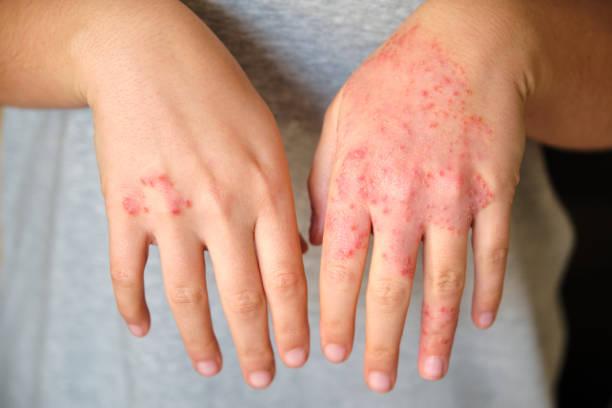
Eczema is a common skin condition that causes dryness, redness, itching, and irritation, but scratching can sometimes damage the skin and allow bacteria or other germs to enter. Recognizing the warning signs early can help prevent complications and support appropriate care. For people seeking Eczema treatment in Riyadh (علاج الإكزيما في الرياض), understanding the difference between a typical eczema flare-up and a potentially infected rash is an important step toward protecting skin health. Although eczema symptoms can vary from person to person, certain changes in the rash may indicate that medical assessment is needed.
An ordinary eczema flare-up often causes dry patches, persistent itching, scaling, and inflammation. However, when the affected area becomes increasingly painful, swollen, warm, or begins producing fluid, an infection may be developing. Knowing these differences can help patients decide when home skincare is appropriate and when professional advice is necessary. Eczema treatment in Riyadh may involve identifying the underlying cause of the symptoms, assessing whether infection is present, and selecting suitable treatment under medical supervision.
What Does an Infected Eczema Rash Look Like?
An infected eczema rash may initially resemble a regular flare-up, making it difficult to recognize. However, the skin may change in appearance as the infection progresses. Common warning signs include increased redness, swelling, tenderness, warmth, and discharge from the affected area. These symptoms may occur on the hands, arms, legs, face, neck, or other areas affected by eczema.
Yellow Crusting or Pus
Yellow or honey-colored crusts can sometimes indicate a bacterial skin infection, particularly when they appear alongside worsening redness or tenderness. Pus, cloudy fluid, or persistent oozing may also suggest infection. However, eczema can occasionally produce clear fluid during a flare-up, so discharge alone does not confirm an infection.
Increasing Pain and Swelling
Eczema usually causes itching, although inflamed skin can feel sore. If the affected area becomes increasingly painful, swollen, hot, or sensitive to touch, infection should be considered. Rapidly worsening symptoms deserve prompt medical evaluation.
Spreading Redness
A rash that expands quickly or develops redness beyond its original boundaries may indicate that an infection is spreading. Red streaks extending from the affected area can be a warning sign of a more serious infection and require urgent medical attention.
Common Causes of Eczema Skin Infections
Eczema weakens the skin barrier, making it easier for microorganisms to enter. Repeated scratching can create small breaks in the skin, increasing the risk of infection. Bacteria, especially Staphylococcus aureus, are frequently associated with infected eczema, although not every rash containing bacteria requires antibiotic treatment.
Viral infections can also affect eczema-prone skin. Eczema herpeticum, caused by the herpes simplex virus, is a potentially serious condition that may cause clusters of painful blisters or small, similar-looking sores that spread quickly. Fungal infections can sometimes resemble eczema or affect skin that is already irritated. Because these conditions may require different treatments, a clinician should assess suspicious symptoms rather than relying on appearance alone.
How to Distinguish an Infected Rash From a Regular Eczema Flare-Up
A regular eczema flare-up typically causes itching, dryness, scaling, redness, and sometimes small cracks. Symptoms may improve with a suitable moisturizer and the treatment plan recommended by a healthcare professional. An infected rash may cause a noticeable change from the person's usual symptoms, such as increasing pain, pus, yellow crusting, warmth, swelling, or rapidly spreading inflammation.
These signs are useful clues, but they do not provide a definite diagnosis. Some eczema flare-ups can ooze or look intensely red without being infected, while an infection may occur without every typical warning sign. A dermatologist or other qualified clinician can examine the skin and, when necessary, take a swab or perform other tests to help identify the cause.
When Should You Seek Medical Care?
Medical care is recommended if eczema symptoms worsen unexpectedly, the rash becomes increasingly painful, pus develops, or redness and swelling begin spreading. People with recurring skin infections, extensive eczema, weakened immune systems, or symptoms that do not improve with their prescribed treatment may also need assessment.
Seek Urgent Medical Attention for Severe Symptoms
Seek urgent medical care if the rash spreads rapidly, you develop a fever or feel significantly unwell, or red streaks appear on the skin. Painful clusters of blisters or uniform, punched-out-looking sores, especially around the face or eyes, may indicate eczema herpeticum and require urgent assessment. Eye involvement, severe pain, or rapidly progressing swelling should not be ignored.
If breathing difficulty, facial or throat swelling, confusion, or other signs of a severe allergic reaction or serious illness occur, seek emergency assistance immediately.
How Is Infected Eczema Treated?
Treatment depends on the type and severity of the infection. A clinician may prescribe topical or oral antibiotics for a confirmed or strongly suspected bacterial infection, antiviral medication for certain viral infections, or antifungal treatment when a fungal infection is diagnosed. Antibiotics do not treat viral or fungal infections, so using the wrong medication may delay appropriate care.
Eczema inflammation also needs suitable management. A healthcare professional may recommend continuing or adjusting prescribed eczema medication alongside infection treatment. Do not stop, start, or change prescription medicines without guidance, particularly when the rash is worsening or an infection is suspected.
At home, gently cleanse the affected area with lukewarm water and a mild, fragrance-free cleanser if tolerated. Avoid scratching, picking crusts, or applying harsh products. Wash your hands before touching the rash, keep towels and personal skincare items separate, and follow the clinician's instructions for dressings or wound care. Avoid using leftover antibiotics or applying steroid creams to a suspected infection without professional advice.
How to Reduce the Risk of Future Infections
Consistent eczema care can help protect the skin barrier and reduce the likelihood of cracks that allow germs to enter. Apply a suitable fragrance-free moisturizer regularly, especially after bathing, and use lukewarm rather than hot water. Keep fingernails short and try gentle measures to manage itching, such as cool compresses.
Identify and avoid personal triggers when possible, including fragranced skincare products, harsh detergents, excessive heat, or fabrics that irritate your skin. Follow your prescribed treatment plan and arrange a medical review if flare-ups become frequent, severe, or difficult to control. For people exploring Eczema treatment in Riyadh, a tailored assessment can help distinguish eczema inflammation from infection and guide appropriate ongoing care.
Book a Dermatology Consultation at Royal Clinic Saudia
If your eczema rash is becoming painful, producing pus, spreading, or changing unexpectedly, seek medical advice rather than attempting to diagnose the problem yourself. Royal Clinic Saudia (عيادات رويال كلينك) can help you explore suitable dermatology care and discuss options for managing eczema symptoms. A qualified healthcare professional can assess the rash, identify possible signs of infection, and recommend an appropriate treatment plan based on your needs.
FAQs:
What are the first signs of an infected eczema rash?
Early signs may include increasing redness, warmth, tenderness, swelling, yellow crusting, pus, or a sudden worsening of symptoms. A clinician can determine whether these changes indicate an infection.
Can eczema become infected from scratching?
Yes. Scratching can break the skin barrier and allow bacteria or other germs to enter. Keeping the skin moisturized and managing itching can help reduce this risk.
Should I use antibiotic cream on infected eczema?
Not without appropriate medical advice. Antibiotics are only useful for certain bacterial infections, and unnecessary use can cause irritation or contribute to antibiotic resistance. A healthcare professional can recommend the right treatment.
When is an infected eczema rash an emergency?
Seek urgent medical attention for rapidly spreading redness, fever with worsening skin symptoms, red streaks, or painful clusters of blisters or similar-looking sores. Severe symptoms or signs of a serious illness require emergency assessment.

 French
 Spanish
 Deutsch
 Turkish
 Italiano
 Russian