
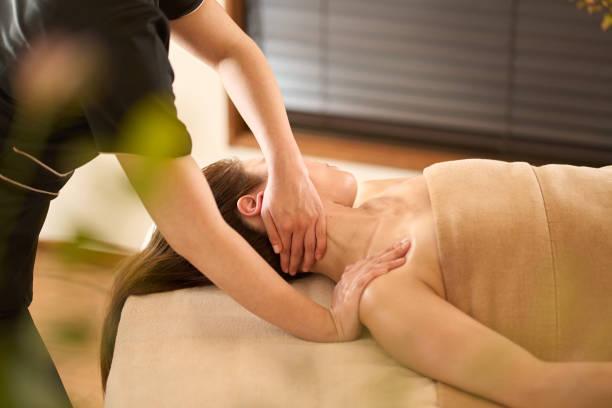
Taking care of the body involves more than relaxation; it also means understanding how the body's natural systems support everyday wellbeing. The lymphatic system helps maintain fluid balance and plays an important role in immune function. When fluid accumulates in certain tissues, a person may experience swelling, tightness, or discomfort. Lymphatic massage in Riyadh (التدليك اللمفاوي في الرياض) is a gentle, specialized technique that may help manage specific types of swelling when it is appropriate for the individual's health needs. By combining careful movements with a personalized approach, lymphatic massage can form part of therapeutic body care for selected individuals.
What Makes Lymphatic Massage Different?
Lymphatic massage, also known as manual lymphatic drainage, differs from many traditional massage techniques because it uses slow, light, rhythmic movements rather than deep pressure on muscles. The aim is to encourage the movement of lymph fluid through functioning lymphatic pathways. This technique is commonly used as part of care for certain conditions, including lymphoedema, when recommended by an appropriately trained professional.
Traditional massage may focus on muscle tension, relaxation, or general physical comfort, whereas lymphatic drainage has a more specific purpose. The correct technique depends on the person's symptoms, medical history, and treatment goals. It should not be viewed as a universal solution for swelling, a detoxification method, or a guaranteed way to improve overall health.
How Lymphatic Massage Supports the Body
The lymphatic system collects excess fluid from tissues and transports it through lymph vessels and lymph nodes before returning it to the bloodstream. Normal lymph movement is supported by factors such as muscle activity, breathing, and the contraction of lymphatic vessels. If drainage is impaired, fluid may accumulate in the tissues and cause swelling.
When medically appropriate, lymphatic massage may encourage fluid movement and help manage certain types of swelling. Some people may notice less tightness or heaviness when the technique is included in a suitable treatment plan. However, results vary, and massage may need to be combined with other measures, such as prescribed compression garments, movement, skin care, or specialist treatment. A healthcare professional can help identify whether lymphatic drainage is appropriate for the underlying cause of symptoms.
The Relaxing Experience of Gentle Body Care
A gentle massage setting may help some people feel calm and comfortable. Slow, controlled movements and a quiet environment can create a soothing experience, particularly for individuals who prefer light-touch treatments. Relaxation, however, is different from treating a medical condition, and the experience will vary from person to person.
Lymphatic massage should be performed with appropriate pressure and technique. It is not intended to cause pain or leave the treated area bruised. People should communicate with their practitioner about discomfort, sensitivity, or concerns during a session. A relaxing experience can be part of a broader self-care routine, but it should not replace medical evaluation when swelling or other symptoms are unexplained.
Potential Benefits for Therapeutic Body Care
For people who have been assessed and are suitable candidates, lymphatic massage may help manage fluid-related swelling and ease feelings of heaviness or tightness. In some cases, better swelling management may support comfortable movement and daily activities. It can also be one element of a structured care plan for people living with lymphatic conditions.
Lymphatic massage in Riyadh may be worth discussing with a qualified practitioner if a healthcare professional has recommended lymphatic drainage or if you want to understand whether it is suitable for your particular concerns. It is important to maintain realistic expectations: the treatment does not guarantee lasting results, remove toxins, produce weight loss, or prevent every health problem. Its potential value depends on the reason for treatment and the person's overall health.
Preparing for a Lymphatic Massage Session
Before arranging a session, consider what you want to address, such as diagnosed lymphatic swelling or discomfort associated with a condition for which drainage has been recommended. A practitioner should ask about your medical history, medications, previous surgeries, and current symptoms. This information helps determine whether the treatment is appropriate and whether medical clearance is needed.
During a session, the practitioner generally uses gentle, rhythmic movements adapted to the treatment area. The technique and session length depend on individual needs. Afterward, follow any personalized guidance about movement, hydration, skin care, or other recommended measures. There is no single schedule that suits everyone, so the frequency of treatment should be based on professional advice rather than a fixed routine.
Important Safety Considerations
Lymphatic massage is not suitable for every person. Sudden or unexplained swelling, particularly in one leg or arm, should be medically assessed before massage. Swelling accompanied by pain, warmth, redness, or fever may require prompt evaluation. Sudden shortness of breath or chest pain requires emergency medical attention.
People with suspected blood clots, acute infections, or certain heart or kidney conditions should consult a healthcare professional before considering treatment. If swelling follows surgery or cancer treatment, follow the advice of the treating medical team. Choosing a trained practitioner and discussing health concerns beforehand helps support safer, more appropriate care.
Booking an Appointment at Royal Clinic Saudi
If you are exploring lymphatic massage in Riyadh as part of a therapeutic body-care routine, Royal Clinic Saudi (عيادات رويال كلينك) can be a starting point for discussing your goals and asking about suitable services. Share your symptoms, medical history, and any previous recommendations before booking so that your needs can be considered appropriately. A personalized assessment helps establish whether lymphatic massage is a suitable option and whether additional medical guidance is necessary.
FAQs:
1. Is lymphatic massage suitable for general relaxation?
Some people find the gentle technique soothing, but manual lymphatic drainage is a specialized treatment primarily used for certain lymphatic or fluid-related conditions.
2. Can lymphatic massage help reduce swelling?
It may help manage specific types of swelling, particularly when included in an appropriate treatment plan. The cause of swelling should be assessed first.
3. Is lymphatic massage supposed to feel painful?
No. It generally uses light pressure and should not be painful. Tell the practitioner if you experience discomfort or unusual sensitivity.
4. How often can I receive lymphatic massage?
The appropriate frequency depends on your health, symptoms, and treatment goals. A qualified healthcare professional can help determine a suitable schedule.

 English
 French
 Spanish
 Deutsch
 Turkish
 Russian