
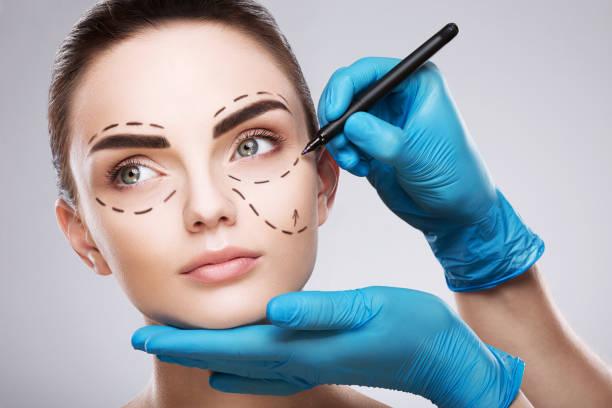
The area beneath the eyes plays an important role in the overall appearance of the face. Some people notice puffiness or swelling under their eyes, while others develop a sunken appearance that creates shadows and makes them look tired. Although these concerns may seem similar, under-eye bags and under-eye hollows have different causes and may require different treatment approaches. Understanding the difference can help you choose an option that suits your needs, including whether Under Eye Fillers in Riyadh may be appropriate.
Under-eye bags generally appear as raised or puffy areas beneath the lower eyelids, whereas under-eye hollows create a depression between the lower eyelid and cheek. Both concerns can occur naturally or become more noticeable with age, but they do not respond to the same treatments. Before considering Under Eye Fillers in Riyadh, it is important to identify whether your concern involves excess volume, volume loss, fluid retention, or a combination of these factors.
What Are Under-Eye Bags?
Under-eye bags are areas of puffiness or fullness beneath the eyes. They may create a swollen appearance, particularly after waking up, or remain noticeable throughout the day. Their appearance can range from mild swelling to more prominent bulges.
Common Causes of Under-Eye Bags
Several factors can contribute to under-eye bags, including:
-
Age-related changes: As the skin and supporting tissues become less firm, fat beneath the eyes may become more prominent.
-
Fluid retention: Temporary fluid buildup can make the area appear puffy, especially in the morning.
-
Genetics: Some people naturally have more noticeable under-eye bags because of their facial structure.
-
Allergies: Allergic reactions may cause irritation, rubbing, and swelling around the eyes.
-
Lifestyle factors: Insufficient sleep, high salt intake, and other individual triggers may make puffiness more noticeable.
Not all under-eye bags have the same cause. Persistent puffiness caused by prominent fat pads is different from temporary swelling associated with fluid retention, so identifying the underlying issue is important before selecting treatment.
What Are Under-Eye Hollows?
Under-eye hollows are depressions beneath the eyes that can create shadows between the lower eyelids and upper cheeks. They may make the face appear tired or less refreshed, even when a person feels well rested.
Common Causes of Under-Eye Hollows
Under-eye hollows may develop because of several factors:
-
Volume loss: Changes in facial fat and soft tissue can create a sunken appearance.
-
Natural facial anatomy: Some people have deeper tear troughs because of their inherited bone structure.
-
Ageing: Changes in skin elasticity, fat distribution, and supporting tissues can make hollows more visible.
-
Weight changes: Significant weight loss may reduce facial fullness and make the under-eye area appear more hollow.
-
Thin skin: When the skin is thin, underlying structures may become more visible and contribute to shadows.
Unlike bags, which involve visible fullness, hollows are associated with a lack of volume or the shape of the area beneath the eyes. The most appropriate treatment depends on the reason for the depression and the condition of the surrounding skin.
Key Differences Between Under-Eye Bags and Hollows
Appearance
Under-eye bags typically look raised, swollen, or puffy. Under-eye hollows look sunken and may create a groove or shadow beneath the lower eyelid. In some people, both concerns occur together, making the distinction less obvious.
Underlying Cause
Bags may result from prominent fat pads, fluid retention, allergies, or age-related tissue changes. Hollows are more commonly associated with volume loss and natural facial anatomy. Because the causes differ, treatment should be selected according to the specific concern rather than appearance alone.
Suitable Treatment Approaches
Treatment for under-eye bags depends on their cause. Temporary puffiness may improve with appropriate sleep habits, managing allergies, or addressing other contributing factors. Prominent fat pads or excess skin may require assessment by a qualified specialist to discuss whether a surgical or other approach is appropriate.
Under-eye hollows may sometimes be improved with hyaluronic acid dermal fillers, which restore volume in selected patients. However, fillers are not suitable for every person, and they may worsen existing puffiness or fluid retention. A professional assessment is necessary before choosing an injectable treatment.
Can Under-Eye Fillers Treat Both Bags and Hollows?
Under-eye fillers are primarily used to improve selected hollows caused by volume loss. A suitable filler may soften the transition between the lower eyelid and cheek, helping reduce shadows and create a smoother appearance.
However, fillers do not remove excess fat or correct every cause of under-eye bags. If puffiness is already prominent, adding volume may make the area look heavier. Some people have both hollows and bags, which requires careful evaluation to determine whether filler is appropriate or whether another treatment would be safer and more effective.
The under-eye area is delicate, so treatment should be performed by a qualified medical professional experienced in this region. Possible side effects include bruising, swelling, unevenness, and prolonged puffiness. Rarely, serious vascular complications can occur. Severe or increasing pain, vision changes, or unusual pale, dusky, or mottled skin discoloration after injections require immediate emergency medical attention.
How to Determine Which Under-Eye Concern You Have
Look at the shape of the area beneath your eyes in natural lighting. A raised or swollen area may suggest bags, while a visible depression or groove may indicate hollows. However, lighting, facial expressions, allergies, and temporary fluid retention can affect what you see.
A qualified practitioner can assess your skin, facial anatomy, and medical history to identify the likely cause. If swelling develops suddenly, affects only one eye, or occurs with pain, redness, fever, or vision changes, seek prompt medical evaluation rather than assuming it is a cosmetic concern.
Book a Consultation at Royal Clinic Saudia
If you are considering Under Eye Fillers in Riyadh, understanding whether you have bags, hollows, or both is an important first step. Royal Clinic Saudia can help you explore your concerns, discuss suitable treatment options, and understand the expected benefits and limitations following an individual assessment. Choosing a treatment based on the underlying cause can help support a more balanced and natural-looking outcome.
FAQs:
Are under-eye bags and hollows the same thing?
No. Under-eye bags involve puffiness or raised areas beneath the eyes, while hollows are depressions that can create shadows. They have different causes and may require different treatment approaches.
Can under-eye fillers remove under-eye bags?
Fillers do not remove excess fat or directly eliminate most prominent bags. In some cases, adding filler can worsen puffiness, so a professional assessment is important before treatment.
Are under-eye hollows suitable for filler treatment?
Some people with hollows caused by volume loss may be suitable candidates for hyaluronic acid fillers. Suitability depends on facial anatomy, skin condition, existing puffiness, and individual medical factors.
Can someone have both under-eye bags and hollows?
Yes. A person may have a hollow groove alongside a raised fat pad or puffiness. A qualified practitioner can assess both concerns and recommend an appropriate approach based on their underlying causes.

 French
 Spanish
 Deutsch
 Turkish
 Italiano
 Russian