
Changes in skin quality and hair thickness can occur gradually because of aging, genetics, hormonal fluctuations, environmental exposure, and other health-related factors. Skin may develop fine lines, uneven texture, or reduced firmness, while hair may become thinner or lose its previous density. Understanding the causes of these changes is an important step toward choosing appropriate care. Magellan plasma in Riyadh is a topic people may explore when researching aesthetic and hair-related procedures, but the exact technology, intended use, and supporting clinical evidence should be confirmed with a qualified healthcare professional.
What Is Magellan Plasma Treatment?
The term Magellan Plasma may refer to a particular plasma-related treatment system. However, plasma technologies differ in how they work and the conditions for which they are intended. Some procedures involve platelet-rich plasma, commonly known as PRP, which is prepared from a patient's blood. Other treatments use plasma energy to interact with the skin.
These methods are not interchangeable. They have different mechanisms, preparation requirements, potential applications, and safety considerations. Before selecting a procedure, patients should ask the provider to identify the exact system being offered and explain how it is expected to address their specific concern. This helps prevent confusion between technologies that may have different levels of clinical evidence.
Factors That Influence Skin Quality
Skin quality can be affected by several factors, including natural aging, sun exposure, smoking, dehydration, and genetics. As people age, changes in collagen and elastin can contribute to fine lines and reduced skin firmness. Uneven pigmentation, dryness, and rough texture may also develop because of environmental exposure or underlying skin conditions.
A suitable skincare plan begins with identifying the main concern. Gentle cleansing, appropriate moisturization, and regular broad-spectrum sunscreen use can help maintain skin health. Depending on the condition, a healthcare professional may also recommend topical products or selected cosmetic procedures.
When considering Magellan plasma treatment in Riyadh, patients should ask whether the specific technology is appropriate for their skin concern. A provider should explain the expected benefits, limitations, recovery requirements, and potential risks without promising a particular result.
Understanding Changes in Hair Thickness
Hair thickness and density can change for several reasons. Hereditary hair loss is common, but hormonal changes, nutritional deficiencies, illness, stress, certain medications, and scalp disorders can also contribute. Some individuals experience temporary shedding, while others notice gradual thinning around the hairline, crown, or other areas.
The cause of hair thinning matters because treatments that may help one condition might not work for another. A healthcare professional may review the patient's history, examine the scalp, and recommend further testing when necessary. Sudden hair loss, patchy bald areas, or scalp symptoms such as persistent itching and redness should be assessed rather than treated solely as a cosmetic concern.
Exploring Plasma-Based Options for Hair Concerns
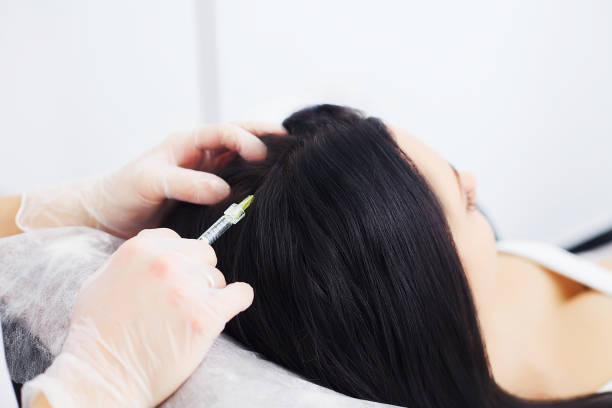
Platelet-rich plasma is one approach that has been studied for certain types of hair loss. It generally involves collecting a blood sample, processing it to obtain a platelet-rich preparation, and administering it to the scalp according to a clinical protocol. Research findings vary, and not everyone experiences the same degree of improvement.
It is important to distinguish PRP from other technologies described as plasma treatments. Evidence supporting one approach does not automatically establish the effectiveness of another. Patients should ask whether the proposed system has been evaluated for their specific type of hair loss and whether established treatments may be more suitable.
No plasma-based procedure should be presented as a guaranteed way to restore hair thickness. Outcomes may depend on the cause of hair loss, the treatment method, individual health factors, and the consistency of follow-up care.
Planning a Personalized Skin and Hair Treatment
A personalized plan should reflect the patient's goals and the underlying reasons for changes in skin or hair. Someone concerned about fine lines may require a different approach from someone experiencing hereditary hair thinning. Although both concerns relate to appearance, they involve different tissues and may require different treatment strategies.
During a consultation, patients should discuss their medical history, medications, allergies, previous procedures, and expectations. The provider should explain the recommended treatment, the evidence behind it, the number of sessions that may be considered, and how progress will be assessed. Alternatives should also be discussed so patients can make an informed decision.
Safety, Preparation, and Recovery
The possible risks of a plasma-based procedure depend on the technology, treatment area, and method of application. Some procedures may cause temporary redness, swelling, tenderness, irritation, or bruising. More serious complications are possible, particularly when treatment is unsuitable or performed without appropriate clinical training and infection-control measures.
Before treatment, patients should receive clear preparation and aftercare instructions. They should disclose their medical conditions and medications and should not stop prescribed treatment without guidance from the relevant healthcare professional. If severe pain, increasing swelling, signs of infection, or other unexpected symptoms occur after a procedure, prompt medical advice is important.
Recovery time and visible outcomes vary by treatment. Patients should understand that improvements may take time and that some procedures have limited evidence for particular concerns. Realistic expectations are an important part of safe treatment planning.
Choosing a Suitable Provider in Riyadh
People researching Magellan plasma treatment in Riyadh should prioritize professional assessment, clear communication, and transparency about the exact technology being offered. A qualified provider should explain the treatment's intended purpose, relevant clinical evidence, possible side effects, and alternatives.
Patients can also ask about practitioner qualifications, device details, infection-control practices, and follow-up arrangements. Rather than relying only on marketing claims or photographs, they should seek an individualized recommendation based on their skin condition, scalp health, and treatment goals.
Conclusion
Changes in skin quality and hair thickness can have multiple causes, so identifying the underlying concern is essential before choosing a treatment. Plasma-based procedures may be considered in selected circumstances, but their suitability depends on the exact technology and the condition being addressed. Careful consultation, evidence-based guidance, and realistic expectations can help patients make informed decisions. Royal Clinic Saudi can be contacted to discuss aesthetic and hair-related concerns and learn about available options, with treatment suitability determined through an appropriate professional assessment.
FAQs:
Can Magellan Plasma improve skin quality?
The potential benefits depend on the exact technology and its intended use. Patients should confirm the supporting evidence and suitability for their skin concern with a qualified professional.
Can plasma-based treatment increase hair thickness?
Some PRP protocols have been studied for selected types of hair loss, but results vary. Other plasma technologies may have different evidence and applications.
What causes changes in skin quality and hair thickness?
Possible causes include aging, genetics, sun exposure, hormonal changes, nutritional deficiencies, medications, and certain medical conditions.
How do I know whether a plasma-based procedure is suitable for me?
A qualified healthcare professional can assess your skin or scalp, review your medical history, explain potential risks, and discuss appropriate alternatives.

 English
 French
 Spanish
 Turkish
 Italiano
 Russian