
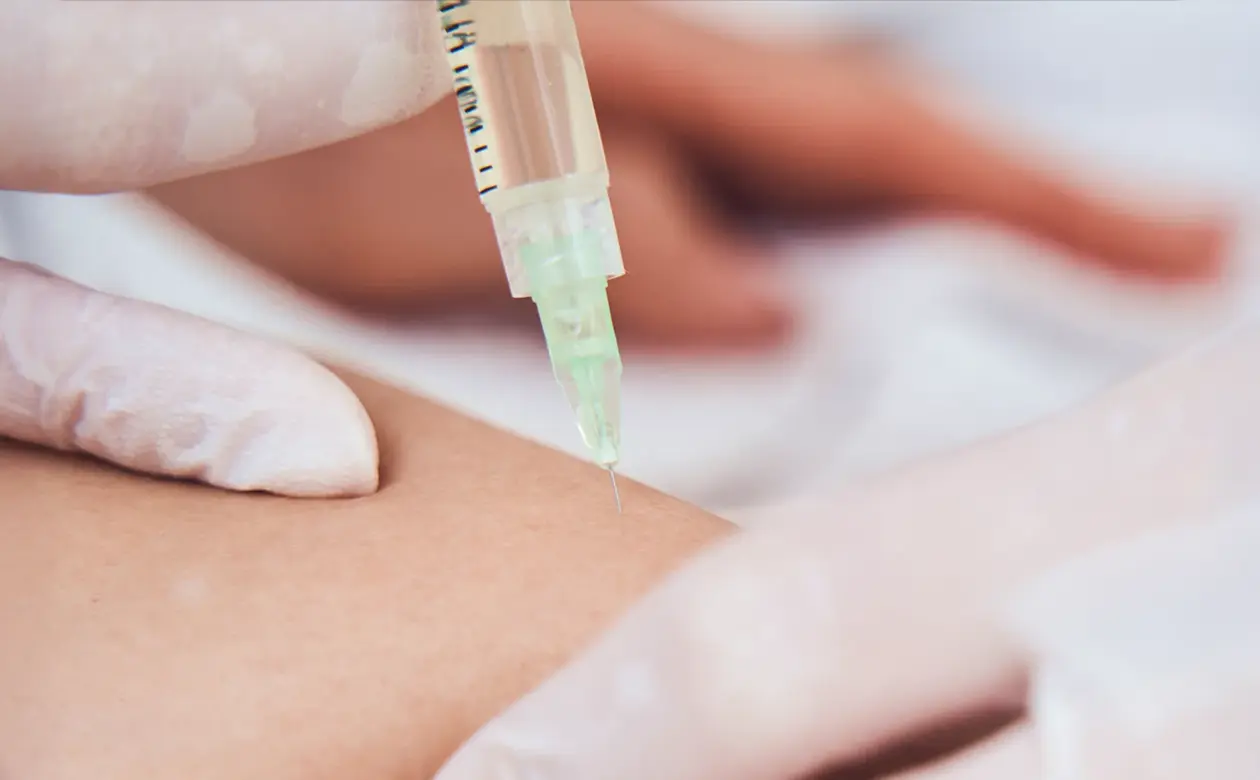
Scientific research continues to expand our understanding of how cells develop, communicate, and contribute to the body's natural repair processes. Stem cell research is an important area of regenerative medicine because certain stem cells can develop into specialized cell types under specific conditions. Researchers are also studying how these cells interact with surrounding tissues and release biological signals that may influence healing and cellular activity. These developments have increased interest in Stem Cell Therapy in Dubai, where patients may seek information about emerging approaches to regenerative care.
Understanding the science behind these treatments is essential before considering any procedure. Stem cells are not a single, uniform treatment, and different cell types have different biological properties. Their potential applications depend on the source of the cells, how they are prepared, the condition being studied, and the evidence supporting a particular use. At Hortman Clinics, discussions about regenerative medicine should begin with an individualized assessment and clear information about the purpose, expected outcomes, and current evidence for any proposed treatment.
How Stem Cells Support Scientific Discovery
Stem cells are studied because of their capacity for self-renewal and, in some cases, their ability to develop into specialized cells. These characteristics allow scientists to investigate how tissues form, how certain diseases progress, and how cellular processes might be influenced by future treatments. Laboratory studies can help researchers examine cellular behavior under controlled conditions before considering whether a potential approach is suitable for clinical investigation.
An important area of research involves understanding the signals cells exchange with their environment. Scientists are investigating how these signals may influence inflammation, immune activity, and tissue responses. These findings may help explain some of the biological effects observed in experimental regenerative medicine, although laboratory findings do not automatically demonstrate that a treatment is effective in people.
For individuals researching Stem Cell Therapy in Dubai, the distinction between early scientific discovery and established clinical care matters. A promising result in a laboratory or small study should not be interpreted as proof that a therapy can reliably treat a specific condition. Responsible medical discussions should explain what is known, what remains under investigation, and which claims are supported by meaningful clinical evidence.
Innovations in Cellular Research Methods
Modern cellular research uses several techniques to study stem cells in greater detail. Advanced imaging allows researchers to observe changes in cell structure and behavior. Genetic analysis can help identify patterns associated with cell development, while laboratory models allow scientists to investigate how cells respond to particular biological environments. These methods contribute to a more detailed understanding of cellular function.
Researchers also use specialized cell-culture systems to investigate how cells behave outside the body. Some studies examine three-dimensional tissue models that better represent aspects of the environment found in human organs. These models can support early research into disease mechanisms and possible therapeutic approaches, but they cannot reproduce every feature of a living human body.
Another developing area involves studying substances released by cells, including signaling molecules and extracellular vesicles. Researchers are examining whether these substances help explain certain effects associated with stem cells. However, cell-based treatments and products derived from cells are not interchangeable, and each approach requires its own evidence, quality controls, and regulatory assessment.
These innovations help guide scientific investigation, but their clinical value depends on carefully designed human studies, consistent manufacturing standards, and appropriate oversight.
Potential Applications Being Investigated
Researchers are exploring cellular approaches across several areas of medicine, including selected blood disorders, immune-related conditions, tissue repair, and other diseases. Some stem-cell-based treatments have established uses for specific medical indications, while many proposed applications remain experimental. The evidence differs considerably between conditions, cell sources, and treatment methods.
In regenerative research, scientists are examining how cells may interact with damaged tissue and whether these interactions could support particular repair processes. Other studies focus on developing disease models that help researchers understand how cells behave in certain conditions. These approaches may contribute to future medical advances, but they should not be presented as guaranteed solutions.
Anyone considering Stem Cell Therapy in Dubai should ask whether the proposed treatment is approved or otherwise appropriately authorized for the intended purpose, what clinical evidence supports it, and whether it is being offered as established care or as part of a properly reviewed research study. Clear explanations help patients make informed decisions without relying on exaggerated promises.
Personalized Assessment and Medical Guidance
A personalized medical assessment considers a person's health history, current symptoms, previous treatments, and overall goals. It also helps determine whether an established treatment, further diagnostic testing, specialist referral, or a research-based option may be appropriate. Cellular treatments are not suitable for every person or every condition, so recommendations should be based on clinical needs rather than general trends.
At Hortman Clinics, patients exploring regenerative medicine can use a consultation to discuss their concerns, understand the scientific basis of proposed approaches, and clarify what outcomes may realistically be expected. Questions about the origin of cells, laboratory processing, treatment protocols, follow-up care, and professional qualifications are also important parts of an informed discussion.
Patients may also search for Stem Cell Therapy cost in Dubai when comparing available services. Rather than relying on broad claims or promotional estimates, they should request a clear explanation of what a proposed service includes and whether the treatment is appropriate for their medical circumstances. The scientific rationale and quality of clinical guidance should remain central to the decision.
Evaluating Evidence and Treatment Claims
Medical research develops through several stages, including laboratory investigation, early clinical studies, and larger trials designed to evaluate safety and effectiveness. Researchers compare outcomes, document limitations, and examine whether results can be reproduced. This process helps distinguish treatments with demonstrated benefits from approaches that still require substantial investigation.
Patients should look for clear information about published clinical evidence, the condition being treated, the specific cell type involved, and the regulatory status of the procedure. They can also ask whether the proposed treatment is supported by independent research and what follow-up arrangements are available. Claims that a single cellular treatment can address many unrelated conditions deserve careful scrutiny.
When reviewing Stem Cell Therapy in Dubai, it is helpful to focus on the exact medical indication rather than the general appeal of regenerative medicine. Evidence supporting one stem-cell application cannot automatically be applied to another. Transparent communication allows patients to understand both the potential and the present limitations of scientific progress.
The Future of Cellular Research in Dubai
Scientific advances in cell biology, laboratory modeling, and clinical research may improve understanding of how regenerative approaches could be used in medicine. Progress will depend on reliable research methods, ethical oversight, consistent cell preparation, and well-designed clinical trials. Collaboration among researchers and qualified healthcare professionals can also help translate laboratory findings into appropriate clinical investigations.
For people interested in Stem Cell Therapy in Dubai, future developments should be assessed through credible scientific evidence rather than predictions alone. A consultation with a qualified medical professional can help clarify which options are currently established, which remain experimental, and what alternatives may be available for a particular condition.
Conclusion
Cellular research is an evolving field that may contribute to future medical developments through improved understanding of cell behavior, tissue responses, and regenerative processes. However, scientific innovation must be supported by reliable clinical evidence, careful evaluation, and appropriate medical oversight. Anyone exploring Stem Cell Therapy in Dubai should seek clear explanations and realistic expectations before making a decision.
Hortman Clinics can be a point of discussion for patients who want to understand regenerative medicine and prepare questions for a professional consultation. When considering Stem Cell Therapy cost in Dubai, patients should prioritize the relevance of the proposed treatment, the evidence supporting its use, and the quality of clinical guidance rather than relying on promotional claims alone. An informed approach keeps scientific progress and individual medical needs at the center of care.
FAQs
What is stem cell therapy?
Stem cell therapy refers to approaches that use stem cells for specific medical purposes. Some applications are established for defined conditions, while others remain under investigation and require further clinical evidence.
What is cellular research studying today?
Researchers are studying cell development, communication, tissue responses, disease mechanisms, and ways to evaluate potential treatments. Advanced imaging, genetic analysis, and laboratory models help scientists investigate these processes.
Is every stem cell treatment clinically proven?
No. Evidence varies by cell type, condition, and treatment method. A laboratory finding or early study does not establish that a treatment is safe and effective for routine clinical use.
What should patients ask before considering treatment?
Patients should ask about the medical purpose, supporting clinical evidence, regulatory status, cell source, preparation methods, expected outcomes, and available alternatives. A qualified clinician can help explain whether an option is appropriate.
How should patients compare treatment information in Dubai?
Patients should look for transparent medical explanations, credible evidence, appropriately qualified professionals, and clear follow-up arrangements. Questions about Stem Cell Therapy cost in Dubai should be considered alongside clinical suitability and the evidence supporting the proposed service.

 English
 French
 Spanish
 Deutsch
 Turkish
 Russian