
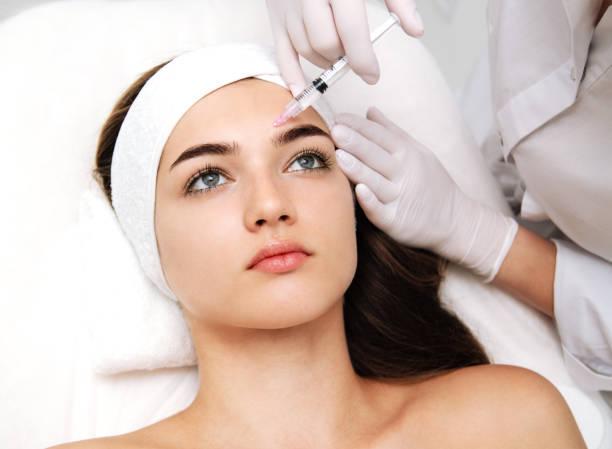
Dermal fillers are popular aesthetic treatments that can help women restore facial volume, soften certain lines, and enhance features such as the lips, cheeks, and chin. Whether the goal is to achieve subtle lip definition, improve facial contours, or address age-related volume loss, fillers can offer a non-surgical option for selected concerns. However, understanding how these treatments work, what they can realistically achieve, and which risks to consider is essential before making a decision. For women considering Dermal fillers in Riyadh (الحشوات الجلدية في الرياض), a professional consultation can help determine whether the treatment is suitable for their individual needs and aesthetic goals.
Every woman's facial structure, skin condition, and preferences are different. A suitable treatment plan should reflect these differences rather than follow a trend or copy another person's appearance. Learning about filler types, treatment areas, safety considerations, and aftercare can help you approach the procedure with realistic expectations.
What Are Dermal Fillers and How Do They Work?
Dermal fillers are injectable products placed beneath the skin or in specific facial tissues to add volume, improve contours, or soften selected lines. Many commonly used fillers contain hyaluronic acid, a substance naturally present in the body that helps retain moisture.
Depending on the product and treatment area, fillers may improve the appearance of the lips, cheeks, chin, jawline, and certain facial folds. They can also be used in selected cases to restore volume lost with aging.
Fillers do not stop the natural aging process or permanently change every aspect of facial structure. Their effects vary depending on the material used, injection technique, individual anatomy, and treatment goals. A qualified practitioner should explain which concerns are suitable for filler treatment and which may require another approach.
Why Do Women Choose Dermal Filler Treatments?
Women consider fillers for a range of personal reasons. Some want a subtle enhancement, while others hope to address changes in facial volume or definition.
Restoring Facial Volume
As people age, facial fat distribution, bone structure, and skin elasticity change. These changes can contribute to reduced fullness in areas such as the cheeks. Depending on the individual, fillers may help restore some volume and create a more supported appearance.
Enhancing Lip Shape and Definition
Lip fillers may be used to add fullness, improve border definition, or address certain differences in lip shape. A conservative approach can help maintain natural proportions and facial balance.
The aim should be a result that suits the individual's features rather than simply increasing lip size. Excessive filler can create an overfilled appearance and may increase the risk of complications.
Improving Selected Facial Contours
Fillers may be used to enhance cheek definition, add projection to the chin, or improve the appearance of selected contours. These treatments should be planned according to facial anatomy, because different areas require different techniques and products.
Fillers cannot correct every structural concern, and the most suitable option depends on the desired result and the individual's anatomy.
Softening Certain Lines
Some fillers can reduce the appearance of selected facial folds and lines associated with volume loss. However, not every wrinkle responds well to fillers. Lines caused primarily by repeated muscle movement may require a different approach, so professional assessment is important.
What Types of Dermal Fillers Are Available?
Several types of dermal fillers are available, and each has different properties and intended uses.
Hyaluronic Acid Fillers
Hyaluronic acid fillers are widely used for facial enhancement and volume restoration. Many products in this category can be dissolved by a qualified medical professional using hyaluronidase, although correction is not always simple or completely predictable.
Other Filler Materials
Some fillers use materials other than hyaluronic acid and may stimulate collagen production or provide longer-lasting effects. These products can have different safety considerations and may be more difficult to reverse.
Ask your practitioner which material is being considered, why it is appropriate for your treatment area, and whether it can be dissolved if necessary.
Are Dermal Fillers Safe for Women?
Dermal fillers can be suitable for appropriately selected patients when administered by a qualified, authorized medical professional. However, no injectable treatment is entirely risk-free.
Common side effects include temporary swelling, bruising, redness, tenderness, and discomfort. Less common complications include infection, persistent lumps, asymmetry, and inflammatory reactions. A rare but serious complication is vascular occlusion, in which filler blocks a blood vessel and can damage the skin or, in severe cases, affect vision.
Women should share their medical history, allergies, medications, previous cosmetic treatments, and any history of reactions to injectable products before treatment. An active infection near the injection site may require postponement. Dermal fillers are generally deferred during pregnancy and breastfeeding because there is limited safety evidence in these circumstances.
Seek immediate medical attention if you develop severe or increasing pain, pale or mottled skin, unusual skin discoloration, or any visual disturbance after filler injections.
How to Choose the Right Filler Practitioner
Selecting a qualified practitioner is one of the most important steps in the treatment process. Check that the provider is appropriately licensed or registered and legally authorized to perform filler injections in your location.
Ask about their training in facial anatomy, experience with your desired treatment area, the product they intend to use, and how they manage complications. A responsible practitioner should review your medical history, discuss realistic outcomes, explain the risks, and provide clear aftercare instructions.
Be cautious of providers who promise perfect results, pressure you into receiving more filler than you want, or cannot identify the product being injected. You should feel comfortable asking questions and taking time to decide.
What Should Women Expect During and After Treatment?
Treatment generally begins with a consultation and assessment of the intended area. The practitioner may clean the skin and use a topical anesthetic or a product containing a local anesthetic to help reduce discomfort. The injection process varies according to the treatment area and plan.
After treatment, mild swelling, redness, tenderness, or bruising may occur. These effects often improve over several days, although the recovery period differs among individuals. Follow your practitioner's aftercare instructions and avoid pressing or massaging the treated area unless specifically advised.
Ask when you can resume exercise, apply makeup, and return to your usual skincare routine. Contact your practitioner if symptoms worsen or persist unexpectedly, and seek urgent medical attention for severe pain, skin discoloration, or visual symptoms.
How Long Do Dermal Filler Results Last?
The duration of results depends on the filler material, the area treated, the amount injected, and individual factors. Some products generally have shorter-lasting effects, while others may remain noticeable for longer.
Results gradually change as the product is broken down or the face continues to age. Maintenance treatment may be an option for some people, but repeated injections should be based on a clinical assessment rather than a fixed schedule.
Dermal fillers in Riyadh should be approached with realistic expectations, including an understanding that results are temporary for many commonly used products and that outcomes cannot be guaranteed.
Book a Consultation at Royal Clinic Saudia
If you are considering dermal fillers, Royal Clinic Saudia (عيادات رويال كلينك) can help you explore suitable options based on your facial features and aesthetic goals. During your consultation, discuss your medical history, the proposed filler product, possible risks, expected results, and aftercare. A personalized assessment can help you decide whether treatment is appropriate for you.
FAQs:
Are dermal fillers suitable for every woman?
No. Suitability depends on medical history, allergies, skin condition, medications, and personal goals. A qualified practitioner should assess these factors before recommending treatment.
Can dermal fillers create natural-looking results?
They may provide subtle, natural-looking improvements when the product, placement, and amount are appropriate for the individual. Results depend on anatomy and technique, and excessive filler can create an unnatural appearance.
Are dermal fillers permanent?
Many commonly used fillers are temporary and gradually break down over time. The duration depends on the product and treatment area. Some other materials may have longer-lasting effects and may be harder to reverse.
Can women get dermal fillers during pregnancy or breastfeeding?
Dermal fillers are generally postponed during pregnancy and breastfeeding because safety evidence is limited. Discuss your circumstances with a healthcare professional before considering elective injectable treatment.

 English
 French
 Spanish
 Turkish
 Italiano
 Russian