
A nose injury can change both the appearance and function of the nose. Accidents, sports injuries, falls, or direct impacts can cause swelling, fractures, cartilage damage, and changes in nasal alignment. Even after the initial injury has healed, some people may notice a crooked bridge, uneven nostrils, a persistent bump, or difficulty breathing through one or both nostrils. Rhinoplasty may help address these concerns by reshaping the nasal structure and, when necessary, improving support and airflow.
For individuals experiencing changes after nasal trauma, Rhinoplasty in Riyadh (عملية تجميل الانف في الرياض) may be an option worth discussing with a qualified surgeon. The appropriate treatment depends on the severity of the injury, the structures affected, the time elapsed since the accident, and whether the main concern is cosmetic, functional, or both. A thorough examination is essential to determine whether rhinoplasty, septoplasty, or another treatment is the most suitable approach.
How Can a Nose Injury Change the Shape of the Nose?
The nose contains delicate bones, cartilage, and soft tissues that work together to maintain its shape and support normal breathing. An injury can affect one or several of these structures, leading to changes that may become more noticeable once the initial swelling disappears.
Crooked or Misaligned Nose
A direct impact can fracture the nasal bones or shift the cartilage, causing the nose to appear crooked. The change may be visible from the front or side and can affect the balance of other facial features.
Rhinoplasty may help reposition or reshape affected structures after the injury has healed. The technique depends on the extent of the misalignment and whether the nasal septum is also involved.
Nasal Hump or Irregular Bridge
An injury may create a bump along the bridge of the nose or make an existing irregularity more prominent. This can happen when the nasal bones or cartilage heal in a changed position.
Surgical reshaping may smooth the bridge and improve the nasal profile. The surgeon must assess the underlying structure carefully to avoid weakening the nose while correcting the contour.
Changes to the Nasal Tip
Trauma can damage the cartilage supporting the nasal tip, making it appear uneven, flattened, drooping, or asymmetrical. Depending on the injury, treatment may involve repositioning cartilage or adding structural support.
Because the nasal tip plays an important role in both appearance and stability, any correction should account for how the nose functions as well as how it looks.
Breathing Difficulties
Injuries can displace the nasal septum, narrow the nasal passages, or damage the structures that help keep the airway open. Some people develop persistent congestion or difficulty breathing through one or both nostrils after trauma.
If an anatomical problem is responsible, septoplasty or functional rhinoplasty may be considered. However, breathing problems can also result from inflammation, allergies, or other conditions, so proper diagnosis is important.
What Is Rhinoplasty for a Previously Injured Nose?
Rhinoplasty following an injury is sometimes described as post-traumatic or reconstructive rhinoplasty. It aims to correct changes in nasal shape, structure, or function that result from trauma.
The procedure may involve reshaping the nasal bones, adjusting cartilage, straightening the nose, refining the tip, or rebuilding areas that have lost structural support. The exact approach depends on the patient's anatomy and the extent of the damage.
In some cases, a patient may require septoplasty to correct a deviated septum. If both external deformity and internal obstruction are present, a combined procedure may be appropriate.
The surgeon's goal is to improve nasal alignment and function while preserving sufficient support for long-term stability. Results vary according to the injury, existing scar tissue, and the complexity of the required correction.
When Should You Consider Rhinoplasty After a Nose Injury?
The timing of treatment depends on the severity of the injury and the patient's symptoms. A new injury should be assessed promptly by a medical professional, especially if there is significant pain, visible deformity, persistent bleeding, or difficulty breathing.
Some nasal fractures can be treated with early repositioning before the bones begin to heal in their displaced position. This is different from delayed rhinoplasty, which may be considered after the injury has healed and the remaining deformity can be assessed accurately.
For planned corrective surgery, surgeons commonly wait until swelling has resolved and the tissues have stabilized. This may take several months, and the appropriate timeline varies according to the injury and the required procedure.
Do not delay urgent medical care while waiting for a cosmetic consultation. A painful swelling inside the nose, heavy or persistent bleeding, clear fluid draining after significant trauma, or new vision changes require urgent medical assessment.
What Happens During a Consultation for Post-Traumatic Rhinoplasty?
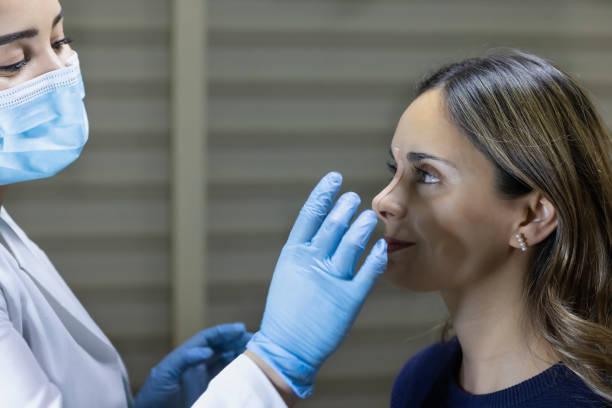
A consultation begins with a review of the injury, symptoms, medical history, and any previous treatment. The surgeon examines the external nose and may assess the nasal septum and airflow to identify structural problems.
Photographs may be used to document the current appearance and support surgical planning. Depending on the nature of the injury and clinical findings, additional examination or imaging may be recommended.
The consultation also provides an opportunity to discuss the changes that are realistically achievable. Previous trauma can make nasal structures less predictable, particularly when cartilage has been damaged or scar tissue has formed. Understanding these limitations helps patients develop appropriate expectations.
What Are the Benefits and Risks of Corrective Rhinoplasty?
Corrective rhinoplasty may improve nasal alignment, smooth irregular contours, restore tip support, or address structural causes of breathing difficulties. For some patients, improving the appearance of an injured nose can also help them feel more comfortable with their facial appearance.
However, surgery has potential risks, including bleeding, infection, scarring, persistent swelling, asymmetry, changes in sensation, breathing problems, and dissatisfaction with the result. In complex cases, further surgery may be required.
Previous injuries can make treatment more challenging because the original bone and cartilage structure may have changed. A qualified surgeon can explain the likely benefits, limitations, and risks based on an individual examination.
How Long Is Recovery After Rhinoplasty for a Nose Injury?
Recovery depends on the extent of the correction and whether the procedure involves the nasal bones, cartilage, or septum. Patients may experience swelling, bruising, tenderness, and temporary nasal congestion during the initial healing period.
Many people return to light daily activities within approximately one to two weeks, depending on their progress and the surgeon's advice. However, the nose continues to heal over several months, and subtle swelling may take a year or longer to resolve.
Patients should follow postoperative instructions, avoid pressure or accidental impacts to the nose, postpone strenuous activities until cleared, and attend scheduled follow-up appointments.
Book a Rhinoplasty Consultation at Royal Clinic Saudia
If a previous nose injury has affected your nasal appearance or breathing, a professional assessment can help identify suitable treatment options. At Royal Clinic Saudia (عيادات رويال كلينك), patients can discuss their concerns, understand the potential benefits and risks of corrective surgery, and receive guidance based on their individual needs. Explore Rhinoplasty in Riyadh through a consultation focused on your nasal structure, recovery history, and treatment goals.
FAQs:
Can rhinoplasty straighten a nose that was broken in an accident?
Yes. Rhinoplasty may help correct a crooked or misaligned nose caused by a previous fracture. The treatment depends on how the bones and cartilage healed and whether the septum is also affected.
Can rhinoplasty improve breathing after a nose injury?
It may improve breathing when the injury has caused a structural problem, such as a deviated septum or narrowed nasal passage. An examination is necessary to determine the cause of the obstruction and the appropriate treatment.
How long should I wait before having rhinoplasty after a nose injury?
The timing depends on the severity of the injury and whether early treatment is needed. Planned corrective surgery is often delayed until swelling resolves and tissues stabilize, which may take several months. A medical professional can advise on the appropriate timing.
Will rhinoplasty completely restore my nose to its original shape?
Not always. Rhinoplasty can improve certain deformities and functional problems, but the result depends on the extent of the damage, available cartilage, scar tissue, and healing response. A consultation helps establish realistic expectations.

 English
 French
 Spanish
 Deutsch
 Turkish
 Russian