
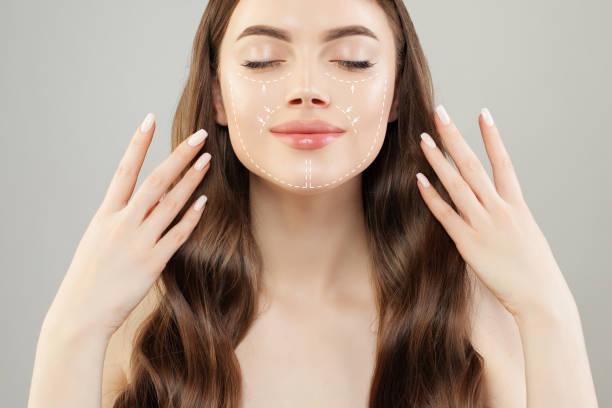
Facelift surgery is a popular option for people who want to address visible signs of facial aging, including sagging cheeks, loose skin, jowls, and deeper facial folds. However, misconceptions about the procedure can make it difficult to understand what surgery can realistically achieve. Some people worry that a facelift will make their face look unnatural, while others believe it is only suitable for older adults. If you are considering a Facelift in Riyadh, learning the facts behind common facelift myths can help you make a more informed decision. Understanding the benefits, limitations, and risks of surgery is essential for developing realistic expectations and choosing an appropriate treatment.
Myth: Facelift Surgery Makes Your Face Look Stretched
One of the most common misconceptions is that facelift surgery always creates a tight, artificial appearance. Although poorly planned or overly aggressive surgery can produce unnatural results, a well-planned facelift aims to preserve the patient's individual facial characteristics.
Modern techniques may involve repositioning underlying tissues rather than relying only on pulling the skin tightly. The surgeon considers facial anatomy, skin elasticity, and the amount of sagging when developing a surgical plan. Choosing a properly qualified and experienced plastic surgeon is important for achieving balanced, natural-looking results. However, no surgical outcome can be guaranteed.
Myth: Facelifts Are Only for Older People
Facelift surgery is not determined by age alone. Some people notice significant facial sagging in their forties, while others maintain firmer contours well into their sixties or beyond.
The decision depends on the degree of skin laxity, changes in underlying tissues, general health, and personal goals. Younger adults with mild concerns may not need surgery, while some older adults may be suitable candidates if their health allows it. A professional assessment helps determine whether a facelift is appropriate at a particular stage of life.
Myth: A Facelift Removes Every Wrinkle
A facelift primarily addresses sagging facial tissues and excess skin, particularly around the cheeks, lower face, and jawline. It may soften certain deep folds, but it does not eliminate every wrinkle or reverse all signs of aging.
Fine lines, sun damage, pigmentation, uneven skin texture, and wrinkles caused by repeated facial movements may remain after surgery. Depending on the concern, a clinician may discuss separate treatments after recovery. Understanding what a facelift can and cannot improve helps patients set realistic expectations.
Myth: Facelift Results Last Forever
Facelift surgery can provide long-lasting improvement, but it does not stop the natural aging process. Skin continues to change over time, and facial tissues may gradually lose firmness again.
The longevity of results varies depending on genetics, skin quality, lifestyle, surgical technique, and the extent of facial aging before surgery. Protecting the skin from excessive sun exposure, avoiding smoking, and maintaining healthy habits can support long-term skin health. Nevertheless, these measures cannot guarantee that results will remain unchanged.
Myth: Facelift Surgery Is Completely Risk-Free
Although facelift surgery is commonly performed, it is still a significant medical procedure. Possible risks include bleeding, infection, scarring, delayed wound healing, changes in skin sensation, fluid accumulation, and complications related to anesthesia. Less commonly, nerve injury or problems with skin blood supply may occur.
Before undergoing surgery, discuss your medical history, medications, allergies, and any factors that could affect healing with your surgeon. Ask about the potential complications, how they are managed, and what precautions are recommended. Choosing a qualified surgeon and following postoperative instructions can help reduce avoidable risks, but no procedure is entirely risk-free.
Myth: Recovery Takes Only a Few Days
Some people assume that they can return to normal activities immediately after a facelift. In reality, recovery usually takes longer, and the timeline varies according to the type of surgery and individual healing.
Many patients need around 10 to 14 days away from work or social commitments, while more extensive procedures may require additional time. Swelling, bruising, tightness, and temporary numbness can continue beyond the initial recovery period. The final appearance develops gradually over the following weeks and months.
Following instructions about wound care, sleeping position, medication, and activity restrictions is essential. Avoid strenuous exercise and heavy lifting until your surgeon confirms that it is safe to resume them.
Myth: Non-Surgical Treatments Provide the Same Results as a Facelift
Non-surgical treatments can improve selected signs of aging, but they generally do not provide the same degree of tissue repositioning as surgery.
For example, dermal fillers may restore volume in certain areas, while botulinum toxin injections can temporarily soften some expression lines. Skin treatments may help improve texture or pigmentation. These options may suit people with specific or less pronounced concerns, but they usually cannot correct significant loose skin or pronounced jowls in the same way as a surgical facelift.
A Facelift in Riyadh may be worth discussing if facial sagging is your main concern. A qualified professional can compare surgical and non-surgical options based on your anatomy, goals, health, and expectations.
Myth: Everyone Needs a Full Facelift
Not every person with facial aging requires a comprehensive facelift. The appropriate treatment depends on which areas are affected and how pronounced the changes are.
A mini facelift may be considered for selected individuals with mild to moderate sagging in the lower face. A traditional facelift may be more appropriate when changes are more extensive. Some people may benefit from a different procedure or may not need surgery at all.
The decision should be based on a personalized assessment rather than choosing a procedure simply because it is popular. A surgeon should explain why a particular approach is recommended and what its limitations may be.
How to Make an Informed Decision About Facelift Surgery
Separating myths from facts can help you approach facial rejuvenation with realistic expectations. Before deciding on surgery, research the procedure, review the surgeon's qualifications, and ask detailed questions about the proposed technique, expected results, risks, and recovery.
Be sure to share your full medical history and discuss any medications or supplements you take. You should also understand the importance of follow-up appointments and know which symptoms require medical attention. Worsening pain, fever, spreading redness, or unusual wound drainage should be reported promptly. Sudden, pronounced swelling on one side of the face requires urgent medical assessment.
Book a Consultation at Royal Clinic Saudia
If you are considering facial rejuvenation and want clear information about facelift surgery, Royal Clinic Saudia can discuss your concerns and explain available treatment options. A consultation can help you understand whether surgery may suit your needs, what results may be realistic, and how to prepare for recovery.
FAQs:
Will people be able to tell that I had a facelift?
Visible signs of surgery usually become less noticeable as healing progresses, but results vary. A facelift aims to improve facial contours while preserving natural features. Your surgeon can explain what to expect based on the procedure planned.
Is facelift surgery painful?
Some discomfort, tightness, and swelling are common during recovery. Your surgical team will provide instructions for managing discomfort and explain which symptoms are expected. Severe or worsening pain should be assessed promptly.
Can a facelift improve my neck as well as my face?
A facelift may improve the area along the jawline, but the extent of neck improvement depends on the technique used and the location of loose skin. Some people may need a separate or combined neck lift for more comprehensive improvement.
How can I know whether I really need a facelift?
A consultation with a properly qualified plastic surgeon can help assess your facial concerns, health, and expectations. The surgeon can explain whether a facelift, another treatment, or no procedure is the most appropriate option.

 English
 French
 Spanish
 Deutsch
 Italiano
 Russian