
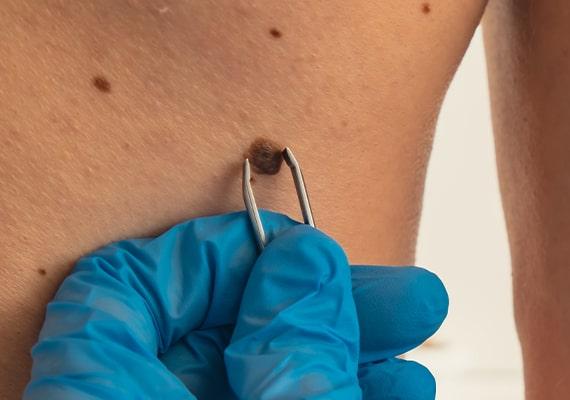
Skin tags are small, soft growths that commonly appear on areas where the skin folds or experiences repeated friction. They may develop around the neck, underarms, eyelids, groin, or beneath the breasts. Although skin tags are generally harmless, they can become uncomfortable when rubbed by clothing, jewellery, or during everyday activities. Some people also choose to have them removed because they affect the appearance of their skin.
Selecting an appropriate removal method involves more than simply looking at the size of a skin tag. A healthcare professional considers its location, appearance, size, number, and the individual's medical history before recommending a suitable approach. The aim is to identify the growth correctly, choose an appropriate procedure, and provide clear guidance about aftercare.
At Well Life Clinic, understanding how a skin tag is assessed can help patients feel more informed when considering Skin Tag Removal In UK. A consultation provides an opportunity to discuss concerns, understand the available treatment options, and determine which approach may be most appropriate for the individual.
What Are Skin Tags and Why Do People Consider Removal?
Skin tags are small, non-cancerous growths made up of skin tissue and supporting connective tissue. They are often soft to the touch and may be attached to the skin by a narrow stalk. Their colour can range from flesh-toned to slightly darker than the surrounding skin.
These growths frequently develop in areas where skin rubs against skin or clothing. Common locations include the neck, armpits, groin, eyelids, and other skin folds. Some people develop only one skin tag, while others may have several in different areas.
There are several reasons why individuals consider removal. A skin tag may catch on clothing, become irritated by shaving, or cause discomfort when touched. Others may prefer to remove a visible growth for cosmetic reasons.
However, not every raised skin growth is a skin tag. Moles, warts, and other skin lesions can sometimes look similar. This is why professional assessment is an important first step before deciding on a removal method.
How Is a Skin Tag Assessed Before Removal?
The selection process usually begins with a consultation during which a healthcare professional examines the growth and asks questions about its history. This assessment helps establish whether the lesion has the typical characteristics of a skin tag and whether removal is appropriate.
Evaluating the Appearance of the Growth
The first consideration is how the growth looks. A typical skin tag is soft, small, and often attached to the skin by a narrow stalk. Its surface and colour are also assessed.
The healthcare professional may examine whether the growth is smooth or irregular, whether it appears consistent with a skin tag, and whether its appearance has changed over time.
A growth that looks unusual, changes noticeably, bleeds without an obvious reason, or develops other unexpected features may require further evaluation rather than immediate removal as a presumed skin tag.
Considering Size and Shape
The size and shape of a skin tag can influence the method selected. Small skin tags attached by narrow stalks may be suitable for straightforward removal techniques. Larger or broader growths may need a different approach depending on their structure and location.
The professional also considers whether the skin tag is raised, has a broad base, or sits close to delicate surrounding tissue.
These details help determine how the growth can be removed appropriately and whether additional assessment is needed.
Reviewing the Location
Location is another important factor. A skin tag on the neck or underarm may be assessed differently from one close to the eyelid or another sensitive area.
For example, the skin around the eyes is delicate, so any procedure in this area requires careful consideration. Similarly, skin tags in areas exposed to repeated friction may need an approach that takes the surrounding skin into account.
The chosen method should reflect both the characteristics of the growth and the practical requirements of treating its location.
Which Factors Influence the Choice of Removal Method?
There is no single removal method that is suitable for every skin tag. The most appropriate option depends on the clinical findings and the patient's circumstances.
Number of Skin Tags
A person with one isolated skin tag may have different treatment needs from someone with several growths in multiple areas. The number of lesions can influence how the appointment is planned and which technique is considered practical.
Each growth should still be assessed individually, particularly if the lesions differ in appearance, size, or location.
Medical History and Skin Characteristics
A healthcare professional may ask about relevant medical conditions, previous skin procedures, allergies, current medicines, and any history of unusual skin healing.
Skin tone, sensitivity, and the condition of the surrounding area may also be considered when planning treatment. These details help the professional choose an approach that suits the individual's needs.
Patient Preferences and Treatment Goals
Some patients prioritise convenience, while others are more concerned about the appearance of the treated area or the amount of aftercare required.
The consultation should explain the available options, what each involves, and how the treated area may need to be cared for afterwards. This allows patients to make an informed decision with the healthcare professional rather than selecting a technique based on appearance alone.
What Skin Tag Removal Methods May Be Considered?
Once the growth has been assessed, a healthcare professional can discuss the removal methods that may be appropriate. The following techniques are commonly used in clinical practice, although their suitability depends on the individual lesion and the practitioner's assessment.
Snip Excision
Snip excision involves removing a skin tag using an appropriate sterile cutting instrument. It may be considered for certain skin tags that have a narrow attachment to the skin.
The healthcare professional examines the base of the growth and determines how to remove it in a controlled manner. Local anaesthetic may be considered depending on the size, location, and circumstances of the procedure.
This method can be useful when a clinician determines that direct removal is appropriate. The final decision depends on the clinical assessment rather than the technique being suitable for every growth.
Cryotherapy
Cryotherapy uses extreme cold, commonly delivered through liquid nitrogen, to destroy selected skin growths. It is sometimes used for skin tags, depending on their characteristics and the clinician's preferred approach.
The treatment causes the targeted tissue to undergo changes that lead to its eventual separation or disappearance. The number of applications and the expected healing process depend on the lesion and the treatment plan.
Cryotherapy may be considered in selected cases, but it is not automatically the best option for every skin tag. The location, size, and surrounding skin must be evaluated first.
Electrosurgery
Electrosurgery uses controlled electrical energy to remove or destroy targeted tissue. A clinician may consider this technique for certain skin lesions, including suitable skin tags.
The equipment and treatment approach are selected according to the growth being treated and the professional's clinical judgement. The procedure may require appropriate preparation and local anaesthesia.
Electrosurgery is not interchangeable with every other removal technique. A professional assessment helps determine whether it is suitable for the specific lesion.
Surgical Excision
Surgical excision involves removing a growth using a suitable surgical instrument. It may be considered when a lesion has a broader attachment or when its characteristics mean that a different approach is more appropriate.
Not every typical skin tag requires this technique. If a growth is unusual or its diagnosis is uncertain, the healthcare professional may consider further investigation and whether the removed tissue should be sent for laboratory examination.
The purpose of the assessment is to ensure that the treatment plan matches the nature of the growth rather than assuming that every raised lesion should be removed in the same way.
Why Is Professional Assessment Important?
Professional assessment helps distinguish ordinary skin tags from other growths that may require a different approach. Although skin tags are usually harmless, a mole, wart, or another type of skin lesion can sometimes resemble one.
A healthcare professional can examine the growth and decide whether removal is appropriate or whether additional evaluation is needed first. This is particularly relevant when the lesion has changed in appearance or does not have the typical features of a skin tag.
Patients should avoid cutting, tying off, or applying unverified removal products to skin growths themselves. These approaches may be unsuitable, especially when the diagnosis has not been confirmed or the growth is located near sensitive tissue.
A clinical consultation also provides an opportunity to discuss the procedure, the expected healing process, and the care required afterwards.
What Happens During a Skin Tag Removal Consultation at Well Life Clinic?
A consultation at Well Life Clinic can help patients understand the options available for their particular concern. The discussion generally centres on identifying the growth, reviewing relevant information, and establishing an appropriate treatment plan.
The healthcare professional may ask when the skin tag first appeared, whether it has changed, and whether it causes irritation. Its size, attachment, location, and appearance are then considered as part of the assessment.
If the growth is consistent with a skin tag and removal is appropriate, the professional can explain the available techniques and recommend an option based on the clinical findings.
Patients can also ask about appointment arrangements, the nature of the procedure, and aftercare instructions. Where stitches are required for a particular removal procedure, guidance about Stitches And Wound Care In UK may be relevant to understanding how the treated area should be managed.
If the growth is better managed through a different procedure, the clinician can explain the next steps. For example, a lump that is not consistent with an ordinary skin tag may require a separate assessment under an appropriate Lump Removal In UK service.
This individualised approach helps ensure that the decision is based on the actual characteristics of the growth.
What Should Patients Know About Aftercare?
Aftercare depends on the removal method, the location of the treated area, and the size of the growth. Patients should follow the instructions provided by the healthcare professional rather than relying on general advice that may not suit their procedure.
Depending on the technique, aftercare instructions may cover keeping the area clean, protecting it from friction, Lump Removal In UK and following guidance about dressings. Patients may also be advised on when to resume particular skincare products or activities.
It is important not to pick at the treated area or remove any dressing earlier than advised. If stitches are used, the clinician should explain how the wound will be cared for and whether a follow-up appointment is needed.
Patients should also understand that the appearance of the treated area can change during healing. The healthcare professional can explain what to expect and when to seek advice if the area does not appear to be healing as anticipated.
Clear aftercare instructions are an important part of the overall treatment process, helping patients understand how to look after their skin after removal.
How Can Patients Prepare for Their Appointment?
Preparing for a consultation can make it easier to discuss concerns and decide on the next steps. Patients may find it helpful to consider the following points before attending:
- Describe the growth: Note when it first appeared and whether its appearance, size, or shape has changed.
- Identify the main concern: Explain whether the skin tag catches on clothing, becomes irritated, or is mainly a cosmetic concern.
- Share relevant medical information: Mention current medicines, allergies, existing medical conditions, and previous skin treatments where relevant.
- Ask about the options: Find out which removal methods may be appropriate and why one is being recommended over another.
- Discuss aftercare: Ask how to care for the treated area and whether a follow-up appointment may be necessary.
These steps can help make the consultation more informative and ensure that the treatment decision reflects the patient's needs.
Conclusion
Choosing the most suitable skin tag removal method begins with a careful assessment of the growth rather than selecting a procedure based on size or appearance alone. Its location, shape, attachment, number, and clinical characteristics all influence the decision. A person's medical history, skin condition, and treatment preferences may also help guide the plan.
Snip excision, cryotherapy, electrosurgery, and surgical excision are among the techniques that may be considered in appropriate circumstances. However, each method has a specific role, and not every technique is suitable for every lesion.
For individuals considering Skin Tag Removal In UK, a consultation at Well Life Clinic can provide an opportunity to have the growth assessed, discuss suitable options, and understand the procedure and aftercare. Professional guidance helps ensure that the next step is based on an appropriate evaluation of the skin and the individual's circumstances.
Frequently Asked Questions
1. How is the best skin tag removal method selected?
The method is selected after assessing the skin tag's size, location, shape, attachment, and appearance. The healthcare professional also considers relevant medical history and the patient's preferences before recommending an appropriate option.
2. Which skin tag removal methods are available in the UK?
Depending on the clinical assessment, options may include snip excision, cryotherapy, electrosurgery, or surgical excision. The most appropriate technique depends on the individual growth and the healthcare professional's judgement.
3. Does every skin tag need to be removed?
No. Skin tags are generally harmless, and removal is not always necessary. People may consider treatment when a growth causes irritation, catches on clothing, or is a cosmetic concern. A clinician can help determine whether removal is appropriate.
4. Can skin tags be removed during a single appointment?
Some straightforward skin tags may be suitable for removal during one appointment, depending on the assessment, treatment method, and clinic arrangements. Multiple or unusual growths may require additional evaluation or a different treatment plan.
5. Is professional assessment necessary before skin tag removal?
Yes. A healthcare professional should assess the growth to confirm whether it appears to be a skin tag and whether removal is appropriate. Other skin lesions can sometimes look similar and may need different management.
6. What happens if a skin growth does not look like a typical skin tag?
The clinician may recommend further examination or investigation before deciding on treatment. A growth with an unusual appearance or noticeable changes should not automatically be treated as a skin tag.
7. How should the skin be cared for after removal?
Aftercare depends on the procedure and treated area. Patients should follow the clinician's instructions about cleaning, dressings, friction, and follow-up care. If stitches are used, specific wound-care guidance should be provided.
8. Can skin tags be removed from sensitive areas?
Some skin tags in sensitive areas may be suitable for removal, but their location must be carefully assessed. Growths near the eyelids or other delicate tissues may require particular expertise and an appropriate treatment setting.
9. Is skin tag removal the same as lump removal?
No. Skin tag removal focuses on growths identified as skin tags. Lump removal may involve a different type of lesion and can require a separate assessment to determine its nature and the appropriate procedure.
10. How can I arrange a skin tag removal consultation at Well Life Clinic?
You can contact Well Life Clinic to ask about its skin surgery services and available consultation arrangements. During the consultation, a healthcare professional can assess the growth, explain suitable options, and discuss the next steps based on your individual needs.

 English
 French
 Deutsch
 Turkish
 Italiano
 Russian