
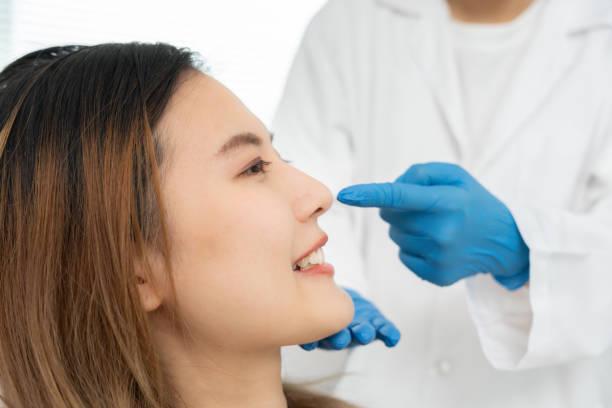
Breathing comfortably through the nose is essential for everyday activities, including sleeping, exercising, and speaking. When nasal structures restrict airflow, a person may experience persistent congestion, difficulty breathing through one or both nostrils, or discomfort during physical activity. Before planning nasal surgery, surgeons assess both the external shape of the nose and the internal structures responsible for airflow. Rhinoplasty in Riyadh (عملية تجميل الانف في الرياض) may be considered by individuals who want to improve nasal appearance, while functional rhinoplasty focuses on correcting structural problems that interfere with breathing. A thorough breathing assessment helps guide treatment decisions and supports a plan that considers both nasal function and appearance.
What Is Functional Rhinoplasty?
Functional rhinoplasty is a surgical approach intended to improve nasal function by addressing structural abnormalities that interfere with airflow. Depending on the underlying problem, treatment may involve correcting a deviated septum, improving support around the nasal valves, or addressing other structural concerns.
Functional rhinoplasty differs from surgery performed primarily for cosmetic reasons, although both objectives can sometimes be addressed during the same procedure. The surgeon must understand the source of the breathing problem before recommending an appropriate technique. Nasal congestion can have several causes, so surgery is not necessarily the right solution for every patient.
Why Surgeons Assess Nasal Breathing Before Surgery
Identifying Nasal Obstruction
A breathing assessment helps determine whether airflow is restricted and where the obstruction may be occurring. Patients may report that one nostril feels more blocked than the other, that congestion worsens during exercise, or that breathing becomes difficult while lying down.
The surgeon reviews these symptoms alongside the physical examination. Understanding when the problem occurs, how long it has been present, and whether it affects daily life helps guide further investigation and treatment planning.
Evaluating the Nasal Septum
The nasal septum is the wall of cartilage and bone that separates the two nasal passages. When it is significantly deviated, it may narrow one side of the nose and contribute to breathing difficulties.
During the assessment, the surgeon examines the septum to determine whether its position is affecting airflow. If a deviation is contributing to obstruction, septoplasty or another appropriate correction may be considered. The recommended approach depends on the location and severity of the structural problem.
Examining the Nasal Valves
The nasal valves are narrow areas inside the nose that play an important role in regulating airflow. Weakness or narrowing in these areas can make breathing difficult, particularly during inhalation.
Surgeons assess whether the nasal valve area is structurally stable and whether the sidewalls move inward during breathing. If valve dysfunction is identified, treatment may involve techniques designed to improve support and maintain an adequate airway. Preserving this support is particularly important when reshaping the nose.
Understanding the Role of the Turbinates
The turbinates are structures inside the nasal cavity that help warm, humidify, and filter inhaled air. When they become enlarged, they may contribute to nasal obstruction. Enlargement can be associated with inflammation, allergies, or other conditions affecting the nasal lining.
A breathing assessment helps the surgeon determine whether the turbinates may be contributing to the patient's symptoms. In some cases, medical treatment for allergies or inflammation may be appropriate before considering surgery. If a structural problem remains significant, a clinician may discuss a suitable procedure based on the patient's needs.
How Breathing Assessment Shapes the Surgical Plan
The findings from a breathing assessment help the surgeon identify which structures require attention and which should be preserved. A patient with a deviated septum may need a different approach from someone whose nasal valve collapses during inhalation. Some patients have more than one contributing factor.
The surgeon also considers the relationship between the nasal framework and its external appearance. Removing too much cartilage or altering structural support without appropriate planning can worsen airflow. Functional planning therefore aims to improve the identified obstruction while maintaining the stability of the nose.
If a patient also wants cosmetic changes, the surgeon discusses how aesthetic adjustments may interact with functional correction. This combined approach requires careful consideration of the patient's anatomy, symptoms, and expectations.
Tests and Examinations Used in Breathing Assessment
The assessment often begins with a detailed medical history and physical examination. The surgeon may ask about allergies, previous nasal injuries, earlier surgeries, medication use, sleep-related symptoms, and the duration of breathing difficulties.
Examination may include inspecting the nasal passages and evaluating how air moves through the nose. Nasal endoscopy, which uses a thin viewing instrument, may be recommended when a closer look at internal structures is needed. Other tests or imaging may be considered if the symptoms and examination findings suggest they would provide useful information.
Not every patient needs every test. The choice depends on the suspected cause of obstruction and the information required to make a safe treatment decision.
Recovery After Functional Rhinoplasty
Recovery varies according to the procedure performed and the individual's healing response. Patients may experience swelling, bruising, tenderness, and temporary congestion following surgery. Internal swelling can make breathing feel restricted during the early recovery period, even when the procedure is intended to improve airflow.
Many patients resume non-strenuous daily activities within one to two weeks, but recovery timelines differ. Patients should follow their surgeon's instructions about nasal care, exercise, medications, and follow-up appointments. Breathing improvements may develop gradually as swelling subsides, so early postoperative symptoms do not necessarily reflect the final result.
Benefits and Potential Risks
When appropriately selected, functional rhinoplasty may improve airflow by correcting structural problems that contribute to nasal obstruction. Some patients may also experience improvements in exercise comfort or sleep quality when nasal blockage has been a contributing factor. However, outcomes depend on the underlying cause, and surgery cannot guarantee the complete resolution of every breathing symptom.
Potential risks include bleeding, infection, persistent obstruction, changes in nasal appearance, septal perforation, asymmetry, and the need for further treatment. Patients should discuss the expected benefits, limitations, and alternatives with a qualified, appropriately trained surgeon before proceeding.
Book a Consultation at Royal Clinic Saudi
If you experience nasal breathing difficulties or are considering surgery to address both function and appearance, Royal Clinic Saudi (عيادات رويال كلينك) can be a starting point for discussing your concerns. A consultation allows you to describe your symptoms, learn about the assessment process, and understand which treatment options may be appropriate. A personalized evaluation is important for establishing realistic expectations and planning care around your nasal structure and breathing needs.
FAQs:
1. Why is breathing assessed before functional rhinoplasty?
It helps identify the structures causing obstruction and guides the choice of appropriate treatment.
2. Can a deviated septum affect nasal breathing?
Yes. A significant deviation may narrow a nasal passage and contribute to airflow difficulties.
3. Does functional rhinoplasty also change the appearance of the nose?
It can, depending on the structures treated, although the primary goal is to improve nasal function.
4. How soon does breathing improve after functional rhinoplasty?
Breathing may initially feel restricted because of swelling, with improvement developing gradually during recovery.

 English
 French
 Spanish
 Deutsch
 Turkish
 Italiano