
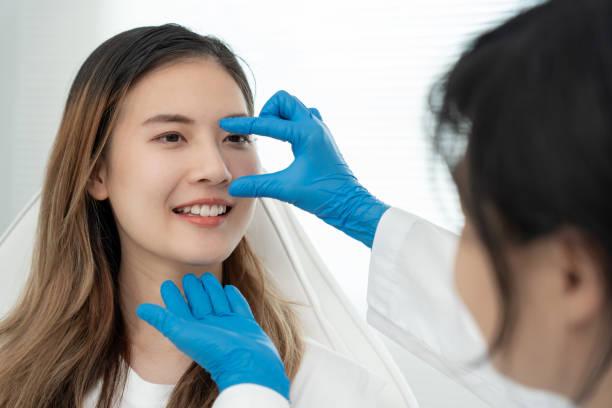
Returning to sports after rhinoplasty requires patience, proper planning, and careful attention to your surgeon’s recovery instructions. Although light movement may be possible relatively soon after surgery, strenuous exercise and contact sports can put pressure on healing tissues, increase swelling, and raise the risk of nasal injury. Understanding when to resume different activities can help you protect your recovery and return to your regular fitness routine safely.
For patients considering Rhinoplasty in Riyadh (عملية تجميل الانف في الرياض), planning ahead for exercise restrictions is an important part of preparing for surgery. Your recovery timeline will depend on the type of procedure performed, your overall health, and how your nose heals.
How Soon Can You Return to Sports After Rhinoplasty?
There is no single timeline that applies to every patient. Many surgeons recommend avoiding strenuous exercise for at least two weeks, while activities involving heavy lifting, intense exertion, or a risk of facial impact may need to be postponed for several weeks or longer.
Your nose may look better on the outside before the internal tissues have fully healed. Even after the external splint has been removed, the nasal bones, cartilage, and surrounding tissues may remain vulnerable.
Always obtain clearance from your surgeon before restarting exercise. Returning to sports too early can increase the risk of bleeding, worsen swelling, or expose your nose to accidental impact.
When Can You Resume Different Types of Exercise?
The right time to resume physical activity depends on its intensity and the likelihood of contact or injury.
Walking and Gentle Movement
Short, gentle walks are often encouraged during early recovery once you feel steady and your medical team permits them. Walking can help you gradually return to normal activity without the exertion associated with vigorous workouts.
Start slowly, avoid overheating, and stop if you feel dizzy, unusually tired, or experience increased discomfort. Avoid crowded places where someone could accidentally bump your nose.
Light Cardio Exercises
Low-intensity activities, such as gentle stationary cycling, may be appropriate after the initial recovery period if your surgeon approves. Start at a low intensity and avoid movements that strain your face or cause significant exertion.
Do not assume that feeling comfortable during everyday activities means your body is ready for a full workout.
Running and High-Intensity Training
Running, interval training, aerobics, and other vigorous workouts increase your heart rate and blood pressure. This can aggravate swelling or trigger bleeding while tissues are healing.
Many patients need to wait at least a few weeks before gradually returning to these activities. Your surgeon may recommend a longer restriction if you had extensive surgery, persistent swelling, or complications.
Weightlifting and Strength Training
Heavy lifting and strenuous strength exercises can involve breath-holding and straining, which may increase pressure and discomfort during early recovery.
Wait until your surgeon approves resistance training. When you restart, begin with lighter loads and lower intensity rather than immediately returning to your previous routine.
Swimming
Swimming should be postponed until your surgeon confirms that your incisions have healed sufficiently and it is safe to return to the water. Early swimming may expose healing areas to contamination, while accidental contact or pressure from equipment can injure the nose.
Avoid diving and activities that could cause a sudden impact until you receive specific medical clearance.
Contact Sports
Sports such as football, basketball, boxing, martial arts, wrestling, and rugby carry a greater risk of direct facial impact. An accidental collision can injure the nose even when you feel fully recovered.
Contact sports often require a longer break than non-contact exercise, potentially six weeks or more, and some patients need to wait several months depending on the operation and sport. Your surgeon should determine when it is safe to return and whether protective equipment is appropriate.
Why Should You Avoid Intense Exercise Too Early?
Your body needs time to recover from surgery. Returning to strenuous activity before your surgeon approves it may create several problems.
Increased Swelling
Exercise increases circulation and can temporarily make swelling more noticeable. Excessive exertion during early recovery may prolong discomfort and make it harder to monitor your progress.
Risk of Nasal Bleeding
Strenuous activity can increase blood pressure and may contribute to bleeding from delicate healing tissues. If bleeding starts during exercise, stop immediately and follow your surgeon’s instructions.
Accidental Injury
During workouts, gym sessions, and team sports, equipment or other people may accidentally strike your face. Even an impact that seems minor can be concerning while nasal structures are still healing.
Delayed Recovery
Pushing yourself too hard can increase discomfort and interfere with the gradual return to your usual activities. Following a staged exercise plan helps you avoid unnecessary strain.
How Can You Return to Sports Safely?
Once your surgeon has cleared you to exercise, gradually rebuild your routine instead of returning immediately to your previous intensity.
-
Start with low intensity: Begin with gentle movement and increase activity according to your recovery and medical advice.
-
Monitor your symptoms: Stop if you experience pain, throbbing, bleeding, dizziness, or a noticeable increase in swelling.
-
Avoid facial pressure: Do not use sports equipment that presses against your nose unless your surgeon approves it.
-
Stay hydrated: Drink enough fluids and avoid overheating during exercise.
-
Follow your surgeon’s restrictions: Do not resume heavy lifting, strenuous workouts, or contact sports simply because you feel better.
-
Attend follow-up appointments: These visits help your surgeon assess healing and advise when you can safely progress to more demanding activities.
For anyone undergoing Rhinoplasty in Riyadh, sharing your normal exercise routine and the sports you participate in during the consultation can help your surgeon develop practical recovery guidance.
What Should Athletes Know Before Rhinoplasty?
Athletes and people who exercise frequently should plan their recovery around training schedules, competitions, and upcoming events. You may need to pause certain activities for longer than expected, especially if your sport involves physical contact or a high risk of falling.
Discuss your sport with your surgeon before surgery. Ask about restrictions on conditioning, lifting, protective equipment, and the appropriate time to return to full competition.
If you are a professional athlete, coordinate your recovery plan with your medical team and qualified sports medicine professionals. Do not use the absence of pain or visible swelling as the only indication that your nose is ready for impact.
When Should You Stop Exercising and Contact Your Surgeon?
Stop your workout if you develop new nasal bleeding, increasing pain, sudden swelling, or discomfort that does not improve with rest. Contact your surgical team for advice before resuming exercise.
Seek urgent medical attention for heavy or persistent bleeding, significant breathing difficulty, or a suspected nasal injury. If you receive a blow to the nose during recovery, do not attempt to straighten or manipulate it yourself.
Book a Rhinoplasty Consultation at Royal Clinic Saudia
Preparing for surgery includes understanding how recovery may affect your exercise routine. Royal Clinic Saudia (عيادات رويال كلينك) can be a starting point for discussing your nasal concerns, potential rhinoplasty options, and postoperative care requirements.
If you are considering Rhinoplasty in Riyadh, ask your surgeon how long you should pause your usual sports and what milestones you need to meet before returning. An individualized plan can help you balance your fitness goals with safe healing.
FAQs:
Can I walk after rhinoplasty?
Gentle walking is often possible soon after surgery when your medical team permits it. Start with short walks, avoid strenuous exertion, and stop if you feel dizzy, weak, or uncomfortable.
When can I go back to the gym after rhinoplasty?
Many patients need to avoid strenuous gym workouts for at least two weeks, but the appropriate timeline varies. Weightlifting and high-intensity training may require additional recovery time and explicit approval from your surgeon.
When can I play football or basketball after rhinoplasty?
Because these sports involve collisions and accidental facial impact, you may need to wait six weeks or longer, sometimes several months. Your surgeon should assess your healing and the specific risks of your sport before clearing you to play.
Can exercise change my rhinoplasty results?
Exercise does not automatically change the final shape of your nose, but strenuous activity or accidental impact during early healing may cause bleeding, swelling, or injury to vulnerable tissues. Follow your surgeon’s restrictions and return to exercise gradually.

 English
 French
 Spanish
 Deutsch
 Turkish
 Russian