
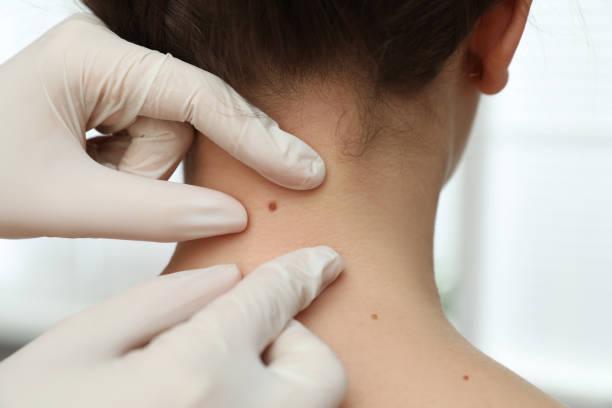
Mole removal is often viewed as a cosmetic procedure, but it also plays a vital role in skin cancer awareness and early detection. Mole Removal in Riyadh Some moles are harmless, while others may be early signs of melanoma or other skin cancers. Understanding the connection between moles, removal, and skin cancer helps patients take proactive steps to protect their health. This blog explains what every patient should know.
Why Skin Cancer Awareness Matters
Skin cancer is one of the most common cancers worldwide, and its incidence continues to rise. Melanoma, the most serious form, often begins in a mole or appears as a new lesion. Basal cell carcinoma and squamous cell carcinoma are also common and highly treatable when caught early. Awareness of risk factors, warning signs, and prevention strategies saves lives. For anyone considering Mole Removal in Riyadh, understanding that removal can be part of early detection is essential.
How Moles Relate to Skin Cancer
Most moles are benign and will never become cancerous. However, certain moles carry a higher risk. Atypical moles, also called dysplastic nevi, share features with melanoma and increase overall risk. Congenital moles present at birth, especially large ones, also carry elevated risk. Having many moles or a family history of melanoma further increases risk. Regular monitoring and professional evaluation help detect changes early.
The ABCDE Rule for Early Detection
The ABCDE rule is a widely used guide for identifying suspicious moles. Asymmetry means one half does not match the other. Border irregularity refers to ragged, blurred, or uneven edges. Color variation means the mole contains multiple shades. Diameter larger than six millimeters is concerning, though smaller moles can also be malignant. Evolution means the mole is changing in size, shape, or color. Any of these features warrants professional evaluation.
Additional Warning Signs
Beyond the ABCDE rule, other signs warrant attention. Bleeding from a mole without injury is concerning. Itching, crusting, or pain in a mole should be evaluated. Rapid growth over weeks or months is a warning sign. A mole that fails to heal after minor trauma requires assessment. New moles appearing after age thirty also deserve attention. The ugly duckling sign, where one mole looks different from others, is another red flag.
Risk Factors for Skin Cancer
Several factors increase skin cancer risk. Fair skin, light hair, and light eyes increase susceptibility. A history of sunburn, particularly blistering sunburns in childhood, raises risk. Cumulative sun exposure and tanning bed use are major contributors. Having many moles or atypical moles increases risk. A personal or family history of skin cancer is significant. Immunosuppression also raises risk.
The Role of Mole Removal in Early Detection
Mole removal plays a critical role in early detection when a mole shows suspicious features. Excisional biopsy removes the entire mole for laboratory analysis, allowing pathologists to determine whether cancer is present. Early detection dramatically improves outcomes, as skin cancers caught in early stages are highly treatable. Patients researching mole removal near me should seek providers experienced in evaluating suspicious lesions.
Prevention Strategies
Prevention is the first line of defense against skin cancer. Apply broad-spectrum sunscreen with SPF 30 or higher daily. Avoid tanning beds entirely. Seek shade during peak sun hours. Wear protective clothing, hats, and sunglasses. Perform regular self-examinations to monitor for new or changing moles. Schedule annual dermatologist visits, particularly if you have risk factors.
When to Seek Professional Evaluation
Seek professional evaluation if you notice any change in a mole, including size, shape, color, or elevation. Bleeding, itching, crusting, or pain also warrant attention. New moles appearing after age thirty should be assessed. If you have a personal or family history of skin cancer, regular monitoring is essential. Patients considering Mole Removal in Riyadh should prioritize providers who assess thoroughly and recommend biopsy when indicated.
What to Expect During Evaluation
Evaluation begins with a detailed history and physical examination. Your provider will examine the mole using dermoscopy for magnified inspection. Other areas of your skin may be checked for additional lesions. If features are concerning, biopsy is recommended. The tissue is sent for analysis, and results guide further treatment if needed. Early evaluation is the key to successful outcomes.
Book an Appointment Consultation Clinic
For those seeking expert guidance and customized aesthetic care, you can book an appointment consultation at the Enfield Royal Riyadh. Their team provides thorough skin examinations and personalized treatment plans for safe, informed care.
FAQs
Can a mole become skin cancer?
Yes, melanoma and other skin cancers can develop in moles or appear as new lesions.
What are the warning signs of skin cancer in a mole?
Asymmetry, irregular borders, color changes, growth, bleeding, itching, or crusting.
Does removing a mole prevent skin cancer?
Removing a suspicious mole can prevent it from progressing, but new cancers may still develop.
How often should I check my moles?
Perform monthly self-examinations and schedule annual professional skin checks.
Is mole removal near me appropriate for suspicious moles?
Yes, qualified providers use excision and laboratory analysis to diagnose suspicious moles.
Conclusion
Mole removal and skin cancer awareness are closely connected. Understanding warning signs, risk factors, and prevention strategies empowers patients to protect their health. If you notice a concerning change in a mole, seek professional evaluation promptly. If you are considering Mole Removal in Riyadh, choose a provider who prioritizes thorough assessment and early detection. Awareness and action save lives.

 French
 Spanish
 Deutsch
 Turkish
 Italiano
 Russian