
A properly functioning drainage system is an essential part of every home and commercial property. Drains carry wastewater away from sinks, bathrooms, kitchens, and other areas, helping maintain cleanliness and hygiene. However, drains can become clogged because of accumulated hair, grease, food particles, soap residue, dirt, and other debris. When a blockage develops, it can cause slow drainage, unpleasant odors, overflowing water, and even serious plumbing damage.
This is where drain cleaning services can make a significant difference. Professional drain cleaners use specialized equipment and techniques to identify blockages, remove buildup, and restore proper water flow. Regular drain maintenance can also help prevent recurring problems and extend the life of a property's plumbing system.
What Are Drain Cleaning Services?
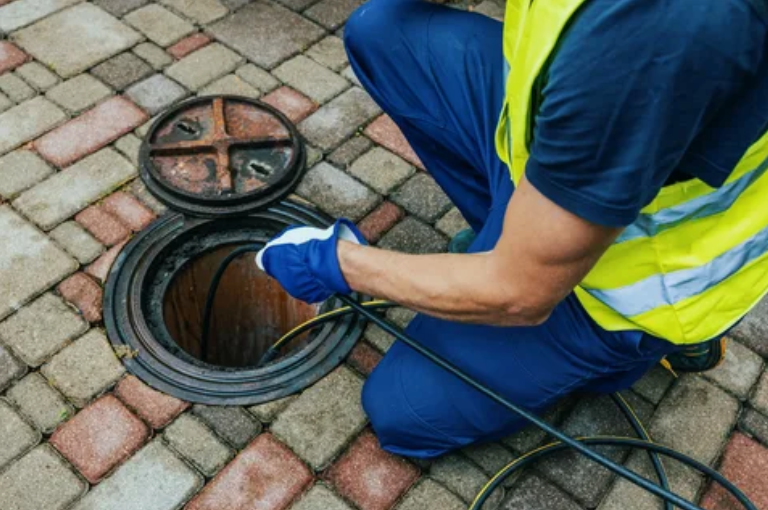
Drain cleaning services are professional plumbing solutions designed to remove blockages, buildup, and debris from drainage pipes. Unlike simple household methods, professional services can address deeper or more stubborn blockages that may be difficult to reach.
A professional plumber may inspect the affected drain, determine the cause of the blockage, and select an appropriate cleaning method. Depending on the situation, they may use drain snakes, augers, hydro jetting equipment, or specialized inspection cameras.
Drain cleaning can be required for individual fixtures, such as kitchen sinks and showers, or for larger main drainage lines that serve an entire property.
Common Signs You Need Drain Cleaning
Many drainage problems begin with small warning signs. Addressing them early can help prevent more expensive plumbing repairs.
Slow-Draining Water
One of the most common signs of a clogged drain is water draining more slowly than usual. If water takes several minutes to disappear from a sink, bathtub, or shower, debris may be accumulating inside the pipe.
Unpleasant Drain Odors
Persistent foul smells coming from drains can indicate trapped food particles, grease, organic material, or other buildup inside the plumbing system. Professional cleaning can help remove the source of the odor.
Gurgling Sounds
Gurgling or bubbling noises may occur when air becomes trapped because of a partial blockage. These sounds should not be ignored, especially when they occur frequently.
Water Backups
Water backing up into a sink, bathtub, or floor drain can indicate a significant obstruction. A professional inspection can determine whether the problem is limited to one fixture or involves the main drainage line.
Multiple Clogged Drains
If several drains in your property become slow or clogged around the same time, the issue may be deeper within the plumbing system. In such cases, professional drain cleaning is often more appropriate than treating each drain individually.
Professional Drain Cleaning Methods
Professional plumbers can choose different techniques depending on the location and severity of the blockage.
Drain Snaking
A plumbing snake, or drain auger, is commonly used to break through or remove blockages. It can be particularly useful for localized clogs in sinks, showers, and other fixtures.
Hydro Jetting
Hydro jetting uses high-pressure water to clean the interior of drainage pipes. It can remove grease, sludge, mineral deposits, and other buildup from pipe walls. This method is especially useful for larger or recurring blockages when appropriate for the condition of the pipes.
Drain Camera Inspection
A drain camera allows plumbers to inspect the inside of pipes without immediately opening walls or floors. Camera inspections can help identify blockages, cracks, root intrusion, or other conditions that may be contributing to repeated drainage problems.
Benefits of Professional Drain Cleaning Services
Hiring a professional for drain cleaning offers several advantages.
Improved Water Flow
Removing accumulated debris allows wastewater to move more freely through the pipes. This can restore normal drainage in sinks, showers, bathtubs, and floor drains.
Reduced Risk of Major Blockages
Small drainage problems can eventually develop into complete blockages. Professional cleaning can address buildup before it becomes a more disruptive problem.
Fewer Unpleasant Odors
Removing organic matter and other debris from pipes can help reduce persistent drain odors.
Protection Against Plumbing Damage
Severe blockages can contribute to backups and excess pressure within a drainage system. Professional assessment and cleaning can help identify problems before they result in more extensive damage.
Long-Term Maintenance
Regular drainage maintenance can be useful for properties that experience frequent clogs. A plumber can recommend an appropriate maintenance schedule based on the property's plumbing system and previous problems.
Why DIY Drain Cleaning May Not Always Work
Many homeowners try household remedies or commercially available chemical drain cleaners when a blockage occurs. While some minor clogs may respond to simple methods, persistent or deep blockages can require professional equipment.
Chemical drain cleaners can also present risks when used incorrectly. Some products may damage certain plumbing materials, and mixing different cleaning chemicals can create dangerous reactions. If a drain remains blocked after basic measures, professional assistance is generally a safer approach.
Choosing the Right Drain Cleaning Service
When selecting a drain cleaning provider, consider several factors. Look for a qualified and experienced plumbing professional who clearly explains the problem and the proposed solution.
It is also useful to ask whether the company provides emergency services, what equipment it uses, and whether it offers inspections for recurring drainage problems. Transparent pricing and clear communication can help avoid unexpected costs.
For larger properties or persistent blockages, ask whether the provider can perform camera inspections or other diagnostic services. The right approach should address the underlying cause rather than simply provide a temporary solution.
How to Prevent Drain Clogs
Preventive maintenance can reduce the frequency of drainage problems.
Avoid pouring cooking grease and oil directly into kitchen drains. Use sink strainers to catch food particles and clean them regularly. In bathrooms, hair-catching screens can prevent hair from entering shower and bathtub drains.
Do not flush items that are not designed to break down through toilets. Regularly cleaning accessible drains and paying attention to early warning signs can also help.
When to Call a Professional
A professional drain cleaning service should be considered when a blockage is persistent, recurring, or affecting multiple drains. Immediate professional attention may also be appropriate when wastewater backs up, sewage odors become noticeable, or water begins overflowing from drains.
Early intervention can often prevent a relatively small drainage problem from developing into a larger plumbing emergency.
Conclusion
Drainage systems play an important role in maintaining a clean, comfortable, and functional property. Over time, hair, grease, food particles, soap residue, mineral deposits, and other materials can accumulate inside pipes and restrict water flow. Recognizing warning signs such as slow drainage, unpleasant odors, gurgling sounds, and water backups can help property owners respond before the problem becomes more serious.
Professional drain cleaning services near you to provide specialized equipment and expertise for removing stubborn blockages and identifying underlying drainage problems. From drain snaking and hydro jetting to camera inspections, professionals can select a suitable method based on the condition of the plumbing system. Combined with good maintenance habits, professional cleaning can help keep drains flowing properly and reduce the risk of recurring problems.
Frequently Asked Questions (FAQs)
1. How often should drains be professionally cleaned?
There is no single schedule that works for every property. Homes and businesses with frequent clogs or heavy plumbing use may benefit from periodic professional maintenance, while others may only need service when warning signs appear.
2. What are the most common causes of clogged drains?
Common causes include hair, grease, food particles, soap residue, mineral buildup, foreign objects, and debris. Main sewer lines may also be affected by tree roots or damaged pipes.
3. Can I clean a clogged drain myself?
Minor clogs may sometimes be addressed with simple household methods. However, persistent, deep, or recurring blockages may require professional equipment and inspection.
4. Is hydro jetting safe for all pipes?
Hydro jetting is not suitable for every plumbing system. A professional should assess the pipe's condition and material before determining whether high-pressure water cleaning is appropriate.
5. Why does my drain keep getting clogged?
Recurring clogs can be caused by ongoing buildup, an incorrectly installed pipe, damaged plumbing, tree roots, or a blockage farther down the drainage line. A professional inspection can help identify the underlying cause.
6. How can I prevent kitchen drain blockages?
Avoid pouring grease and cooking oil into the drain, use a sink strainer to catch food particles, and regularly clean the drain area. These simple habits can reduce the amount of material entering your plumbing system.
7. Do bad drain odors mean there is a blockage?
Unpleasant odors can be associated with organic buildup, trapped debris, or other drainage issues. If the smell persists, professional inspection can help determine its cause.
8. When is drain cleaning an emergency?
A complete blockage, sewage backup, overflowing wastewater, or multiple affected drains can require prompt professional attention, particularly when wastewater poses a hygiene or property-damage risk.

 English
 French
 Deutsch
 Turkish
 Italiano
 Russian