
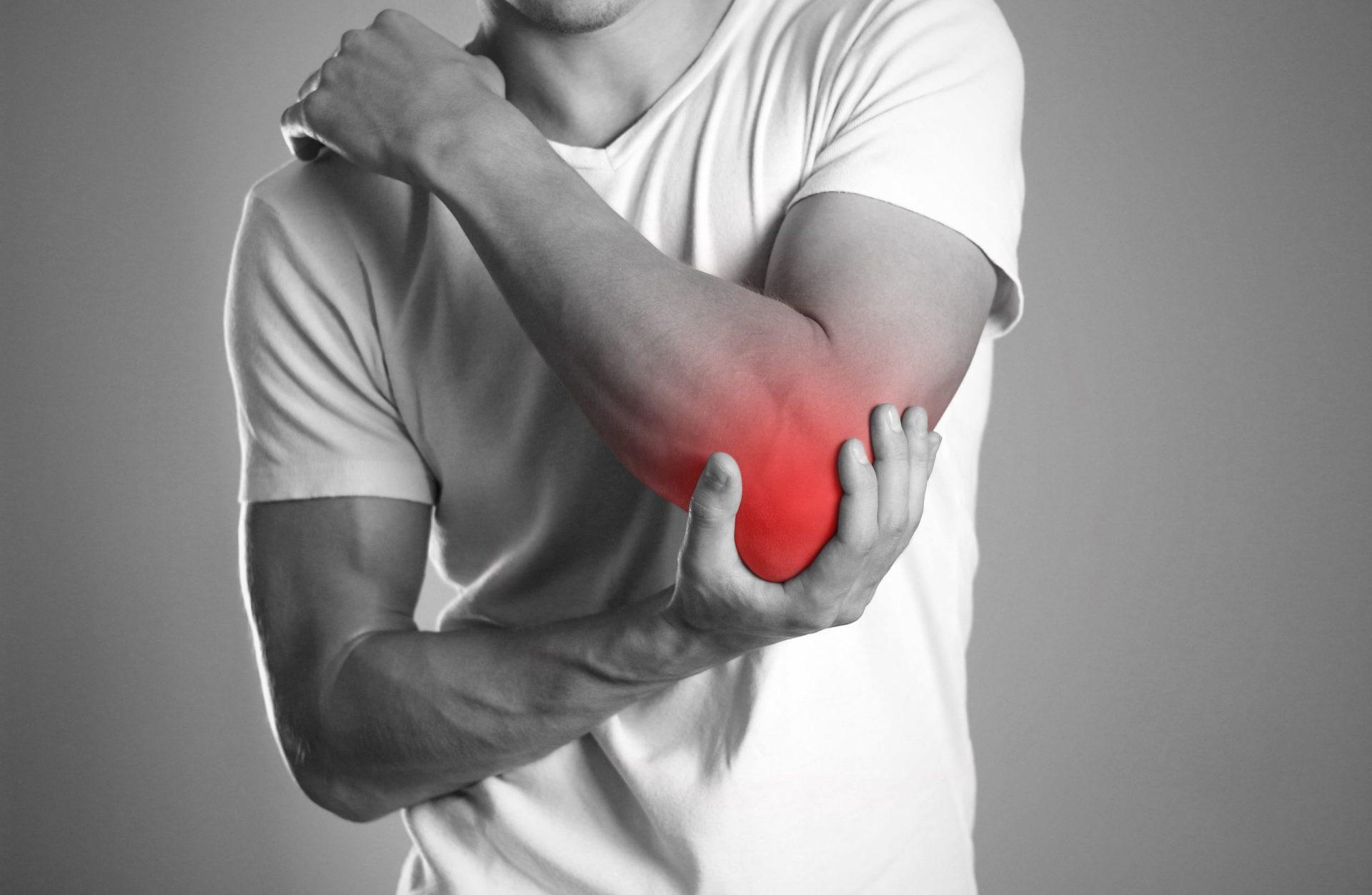
Tennis elbow is a common condition that can affect much more than athletes. Repetitive wrist movements, gripping, lifting, computer work, household tasks, and certain sports can all contribute to pain around the outside of the elbow. Although the condition is called tennis elbow, you do not need to play tennis to experience it.
Modern physiotherapy focuses on identifying the activities contributing to elbow discomfort, improving movement, gradually strengthening the muscles and tendons, and helping patients return to their normal routines. For people looking for Tennis Elbow Treatment Dubai, a personalized physiotherapy program can provide a structured approach to managing symptoms and rebuilding comfortable arm function.
At Vitruvian Italian Physiotherapy Center, treatment can be planned around the individual's symptoms, daily activities, physical demands, and recovery goals. Instead of focusing only on temporary pain relief, modern rehabilitation looks at movement, strength, load management, and long-term function.
Understanding Tennis Elbow
Tennis elbow, commonly known as lateral elbow pain, usually causes discomfort around the outside of the elbow. The symptoms can sometimes extend into the forearm and become more noticeable during gripping, lifting, twisting the wrist, or repetitive arm movements.
The condition is commonly associated with repeated loading of the muscles and tendons that control wrist and forearm movement. Activities such as using hand tools, typing, working with a computer mouse, lifting objects, playing racquet sports, or performing repetitive household tasks may aggravate symptoms.
A person may notice:
- Pain on the outside of the elbow
- Tenderness around the elbow
- Discomfort when gripping objects
- Pain while lifting or carrying items
- Difficulty with repetitive wrist movements
- Forearm discomfort
- Reduced ability to perform certain everyday activities
Because symptoms can develop gradually, some people continue using the affected arm without realizing that repeated loading is contributing to their discomfort.
Why Tennis Elbow Can Affect Everyday Life
Elbow pain can interfere with many simple activities. Opening jars, carrying shopping bags, using a computer mouse, lifting a child, turning a door handle, cooking, exercising, or holding certain objects may become uncomfortable.
For an active person, elbow pain can also interfere with strength training, tennis, badminton, golf, gym exercises, or other recreational activities.
This is why Tennis Elbow Treatment Dubai should not only focus on the painful area. A modern rehabilitation approach considers how the elbow is being used throughout the day and what movements or activities may need temporary modification.
At Vitruvian Italian Physiotherapy Center, a treatment plan can be developed around the person's actual lifestyle rather than applying exactly the same routine to every patient.
What Causes Tennis Elbow?
Tennis elbow is often associated with repeated or excessive loading of the forearm muscles and their tendons. However, the cause is not always a single activity.
Common contributing factors can include:
- Repetitive gripping
- Repeated wrist extension
- Frequent lifting
- Racquet sports
- Weight training
- Manual work
- Prolonged computer use
- DIY activities
- Repetitive household tasks
- Sudden increases in physical activity
- Returning to sport too quickly after a period of inactivity
The problem may occur when the amount of activity being performed exceeds what the tissues are currently prepared to tolerate. This makes appropriate load management an important part of rehabilitation.
How Modern Tennis Elbow Treatment Begins
An effective Tennis Elbow Treatment Dubai program generally begins with a detailed assessment.
A physiotherapist may ask about:
- When the pain started
- Which activities increase symptoms
- Your work requirements
- Sporting activities
- Previous injuries
- Current exercise routine
- Grip-related activities
- Strength and movement limitations
- How the pain affects daily life
The elbow, wrist, forearm, and surrounding areas can then be assessed for movement and strength.
This assessment helps the physiotherapist understand how the symptoms relate to movement and activity. It also helps create an individualized rehabilitation plan.
At Vitruvian Italian Physiotherapy Center, this personalized assessment can help establish practical treatment goals based on the patient's specific needs.
The Role of Physiotherapy in Elbow Pain Management
Physiotherapy is an important component of modern tennis elbow management. Current clinical guidance supports exercise-based rehabilitation and appropriate activity modification for many people with tennis elbow.
Treatment may focus on:
- Improving wrist and forearm strength
- Gradually increasing tendon capacity
- Improving movement
- Managing painful activities
- Restoring grip strength
- Improving upper-limb control
- Returning to sports and work
- Developing a sustainable home exercise routine
Rather than stopping all activity for an extended period, modern rehabilitation often uses relative rest and gradual reintroduction of appropriate movement.
Progressive Strengthening for Better Recovery
Strengthening is one of the central components of Tennis Elbow Treatment Dubai.
The muscles of the wrist and forearm play an important role in controlling the hand and stabilizing the elbow during daily activities. When these muscles become stronger and better conditioned, the arm may be better prepared to handle everyday loads.
A rehabilitation program may gradually introduce:
- Isometric exercises
- Wrist extension exercises
- Wrist flexion exercises
- Forearm rotation exercises
- Grip strengthening
- Controlled resistance exercises
- Functional strengthening
The exact exercise selection and intensity should be adapted to the individual. Exercises can become progressively more challenging as strength and tolerance improve.
NHS physiotherapy guidance also emphasizes exercises that improve joint movement and muscle strength, alongside advice for managing symptoms.
Why Gradual Loading Matters
One of the most important principles in tennis elbow rehabilitation is gradual loading.
If the elbow is repeatedly exposed to activities that are much more demanding than it can currently tolerate, symptoms may continue. On the other hand, avoiding movement completely for too long may make it harder to rebuild strength and confidence.
A modern approach aims to find a manageable level of activity and gradually increase it.
For example, someone who develops elbow pain after increasing gym training may temporarily reduce the intensity or volume of exercises that heavily load the wrist and forearm. As symptoms improve, resistance and activity can gradually be increased.
This progressive approach is an important part of Tennis Elbow Treatment Dubai because it helps patients move from symptom management toward improved physical capacity.
Managing Work-Related Elbow Pain
Tennis elbow can occur in people whose jobs involve repetitive hand or wrist movements. Office workers, tradespeople, technicians, chefs, hairdressers, designers, and many other professionals may experience elbow discomfort.
Computer work may involve prolonged mouse use, while manual occupations may involve frequent gripping, lifting, drilling, or tool use.
Treatment may therefore include practical changes such as:
- Adjusting hand position
- Changing the way an object is gripped
- Taking suitable movement breaks
- Alternating demanding tasks
- Improving lifting technique
- Reducing unnecessary repetition
- Gradually increasing workload
The goal is not always to completely stop work. Instead, rehabilitation can help patients understand how to manage workload while gradually improving their physical capacity.
Tennis Elbow Treatment Dubai for Active Individuals
Active individuals often want to know when they can return to their favorite activities.
The answer depends on symptoms, strength, movement, and the physical demands of the activity.
A tennis player, for example, may need to gradually rebuild tolerance for:
- Racquet gripping
- Wrist movements
- Repeated swings
- Serving
- Backhand movements
- Training volume
Similarly, someone who enjoys strength training may need a gradual return to exercises involving gripping and wrist stabilization.
At Vitruvian Italian Physiotherapy Center, rehabilitation can be structured around these individual performance goals. This makes Tennis Elbow Treatment Dubai relevant not only for reducing discomfort but also for helping patients regain confidence in their arm.
Improving Grip Strength
Grip strength is closely connected to many activities that involve the wrist, forearm, and elbow.
A weak or poorly conditioned grip can make certain tasks more demanding. During rehabilitation, a physiotherapist may introduce controlled grip exercises and progressively increase resistance.
Examples may include:
- Gentle squeezing exercises
- Isometric grip holds
- Resistance-based grip exercises
- Functional carrying exercises
- Forearm strengthening
The level of resistance should be appropriate for the person's current condition. Progression should occur gradually rather than through sudden increases in weight or repetitions.
Mobility and Flexibility
Strength is important, but comfortable movement is also necessary for efficient arm function.
Depending on the individual's assessment, treatment may include gentle mobility exercises for the elbow, wrist, and forearm.
These exercises can help patients maintain comfortable movement while gradually returning to normal activities.
A physiotherapist may also assess movement patterns throughout the upper limb to determine whether limitations in other areas are influencing how the elbow is being used.
Manual Therapy and Supportive Techniques
Some physiotherapy programs may include hands-on techniques as part of a broader rehabilitation plan.
Depending on the patient's needs, treatment may involve soft-tissue techniques or joint-related manual therapy alongside exercise and activity management.
However, modern rehabilitation generally emphasizes active participation rather than relying entirely on passive treatment. Exercise and progressive loading remain important elements of recovery.
At Vitruvian Italian Physiotherapy Center, supportive techniques can be integrated into a broader plan designed around movement and functional recovery.
How Long Does Tennis Elbow Recovery Take?
Recovery time varies from person to person.
Some people improve within several weeks, while others with persistent symptoms may require several months of progressive rehabilitation. NHS guidance notes that tennis elbow can sometimes last for a year or longer, although treatments and self-management strategies can help.
The duration can depend on:
- How long symptoms have been present
- The severity of symptoms
- Daily workload
- Sporting activities
- Strength levels
- Consistency with exercises
- Ability to modify aggravating activities
- Previous elbow problems
For this reason, Tennis Elbow Treatment Dubai should be viewed as a progressive process rather than a fixed number of sessions for every patient.
Understanding Tennis Elbow Treatment Cost in Dubai
The Tennis Elbow Treatment cost in Dubai can vary depending on several factors.
There is no single treatment plan that applies to every patient, so the overall cost may depend on the individual's requirements.
Factors that may influence the Tennis Elbow Treatment cost in Dubai include:
- Initial assessment requirements
- Number of physiotherapy sessions
- Complexity of the condition
- Duration of symptoms
- Exercise and rehabilitation needs
- Manual therapy requirements
- Frequency of appointments
- Progress during rehabilitation
- Individual recovery goals
A straightforward case requiring a focused exercise program may involve a different treatment schedule from a persistent condition requiring more extensive rehabilitation.
At Vitruvian Italian Physiotherapy Center, discussing the treatment plan during the initial assessment can help patients understand what their rehabilitation may involve and how frequently sessions may be recommended.
How to Make Physiotherapy More Effective
Successful rehabilitation involves more than attending appointments.
Patients can support their progress by following their prescribed exercises consistently and communicating openly about changes in symptoms.
Helpful habits may include:
- Completing recommended exercises regularly
- Avoiding sudden increases in activity
- Gradually increasing resistance
- Paying attention to changes in symptoms
- Following activity-modification advice
- Maintaining general physical activity
- Returning to demanding activities progressively
Home exercises are commonly used alongside physiotherapy sessions, and regular participation can support recovery.
When Professional Assessment Is Helpful
Persistent elbow pain should not simply be ignored, particularly when it interferes with normal activities.
Professional assessment can be useful when:
- Pain continues despite activity modification
- Symptoms interfere with work
- Grip strength has noticeably decreased
- Sports participation has become difficult
- Pain repeatedly returns
- Symptoms are getting worse
- Movement becomes significantly restricted
Other symptoms such as significant swelling, redness, fever, numbness, or symptoms following an injury should also be assessed by an appropriate healthcare professional.
An accurate assessment is important because not every type of elbow pain is tennis elbow.
Preventing Repeated Elbow Problems
After symptoms improve, maintaining strength and gradually progressing physical activity can help support long-term elbow function.
Prevention strategies may include:
- Warming up before demanding activities
- Increasing training gradually
- Maintaining forearm strength
- Avoiding sudden increases in workload
- Using appropriate technique
- Taking breaks during repetitive work
- Adjusting equipment when necessary
- Maintaining overall upper-limb conditioning
For athletes, technique and training volume can be particularly important. For office and manual workers, ergonomic adjustments and workload management may be more relevant.
The goal is to build an elbow and forearm that can comfortably tolerate the activities required in everyday life.
Why Choose Vitruvian Italian Physiotherapy Center?
Vitruvian Italian Physiotherapy Center focuses on personalized physiotherapy and rehabilitation based on the individual's condition and functional goals.
For patients seeking Tennis Elbow Treatment Dubai, the approach can include assessment, targeted exercises, progressive strengthening, mobility work, activity guidance, and functional rehabilitation.
Rather than treating every elbow problem in exactly the same way, the rehabilitation process can be adjusted according to the patient's symptoms, lifestyle, occupation, sport, and progress.
This individualized approach can make the treatment process more practical for people who want to return to work, exercise, sports, or everyday activities.
A Modern Approach to Tennis Elbow Rehabilitation
Modern elbow rehabilitation is not simply about waiting for pain to disappear. It involves understanding why symptoms may have developed, managing the activities that aggravate them, and progressively rebuilding strength and movement.
For someone considering Tennis Elbow Treatment Dubai, physiotherapy can provide a structured pathway from assessment to functional recovery.
The Tennis Elbow Treatment cost in Dubai can vary according to the treatment plan, number of sessions, and individual rehabilitation needs, so an assessment is useful for understanding the appropriate approach.
With consistent rehabilitation, appropriate activity modification, progressive strengthening, and professional guidance, many people can gradually return to their usual activities. Current patient guidance supports staying active within tolerance while progressively building strength rather than relying on prolonged complete rest.
At Vitruvian Italian Physiotherapy Center, the focus can remain on personalized care, better movement, improved strength, and a confident return to everyday activities and sport.

 French
 Spanish
 Deutsch
 Turkish
 Italiano
 Russian