
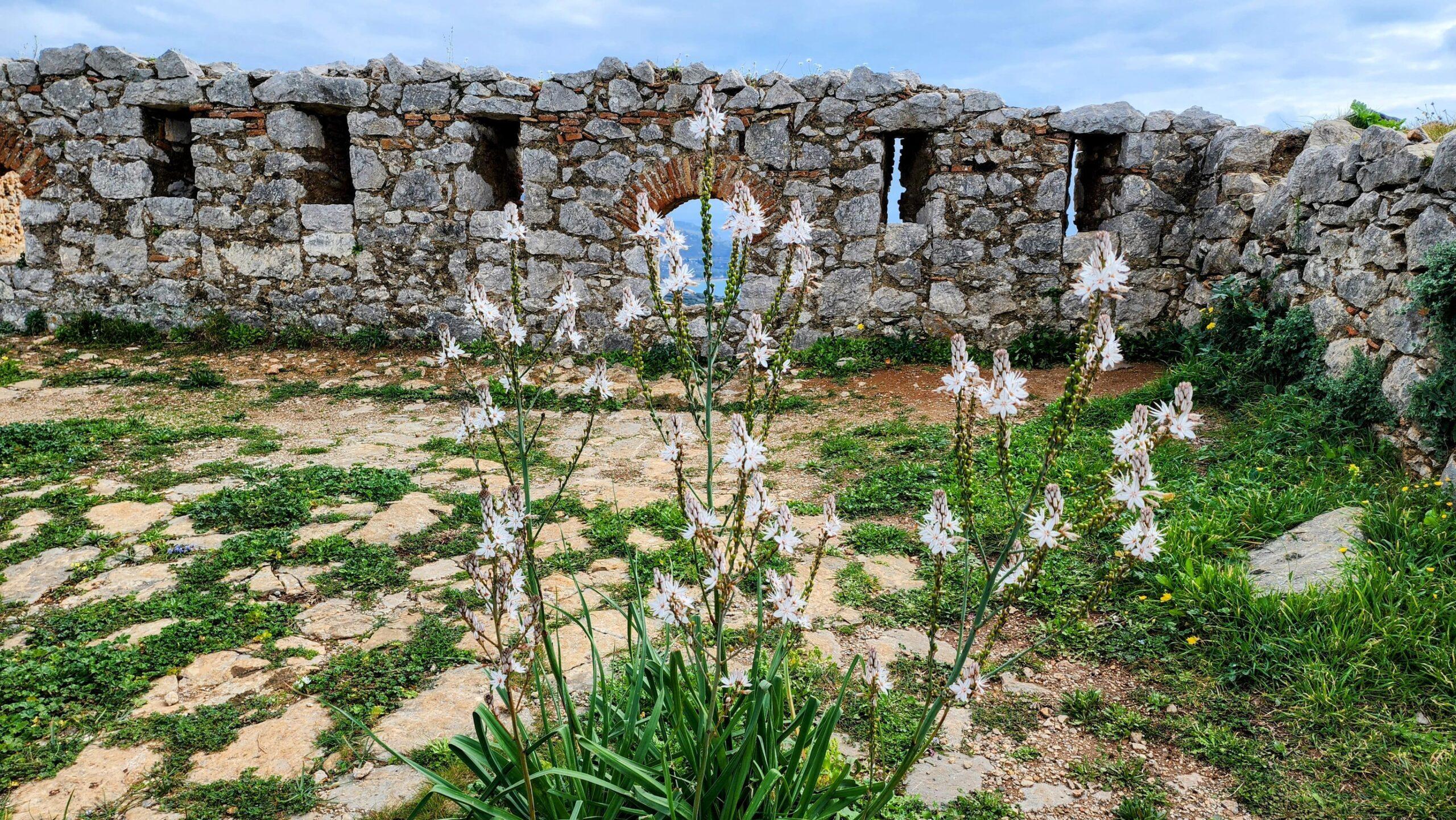
Owning a villa in Greece is a dream for many international buyers. Whether you are looking for a beachfront retreat in Crete, a traditional stone property in the Peloponnese, or a modern villa overlooking the Aegean, Greece offers a wide range of opportunities for foreign property investors. At Greece Invests, we help international buyers understand the Greek real estate market and the practical considerations involved in purchasing property. One of the most important considerations for overseas buyers is financing, particularly if you are exploring a Greece mortgage for foreigners(משכנתא ביוון לזרים) .
A mortgage can allow an international buyer to purchase a Greek villa without committing the entire purchase price in cash. However, obtaining financing as a foreign or non-resident buyer requires preparation, documentation, and a clear understanding of how Greek lenders assess applications.
Can Foreigners Get a Mortgage to Buy a Greek Villa?
Yes, eligible foreign buyers and non-residents can apply for mortgage financing from Greek banks.
Greek banks have specific procedures for international customers. For example, Eurobank offers mortgage financing to non-residents purchasing property in Greece, while Piraeus Bank publishes mortgage documentation requirements for residents abroad.
However, mortgage approval is never automatic. The lender will assess your income, financial commitments, credit history, nationality, country of residence, and the property you intend to purchase.
For this reason, researching a Greece mortgage for foreigners(משכנתא ביוון לזרים) before choosing your villa can help you understand your realistic purchasing budget.
Why Use a Mortgage to Buy a Greek Villa?
Many international buyers have enough capital to purchase a property but still prefer to use financing.
One reason is liquidity. Instead of investing all available cash into one property, a buyer may choose to use a mortgage and retain some capital for investments, renovations, business activities, or personal needs.
A mortgage can also provide greater flexibility when purchasing a higher-value villa.
For example, rather than spending €500,000 in cash on a property, an eligible buyer might use a combination of savings and mortgage financing. The exact financing available will depend on the lender's assessment and current lending criteria.
However, borrowing also creates a long-term financial obligation. Buyers should calculate the total cost of the mortgage and consider how repayments would fit into their financial plans.
How Much Can Foreign Investors Borrow?
There is no single financing percentage available to every foreign buyer.
The amount a bank is willing to lend depends on factors such as the applicant's income, financial obligations, creditworthiness, nationality, country of residence, property value, and the lender's internal policies.
For example, Eurobank currently states that its non-resident mortgage financing can reach up to 65% of the commercial value of the property for certain non-Greek and non-Cypriot citizens, subject to its criteria.
This means a foreign buyer may need to provide a substantial deposit from their own funds.
It is also important to understand that the bank may base its lending calculation on the property's assessed commercial value rather than simply the agreed purchase price.
Example of Financing
Imagine you are purchasing a Greek villa for €600,000.
If a lender were to finance 60% of the accepted property value, the mortgage could theoretically be €360,000, leaving €240,000 for the buyer to provide, before considering taxes, legal expenses, fees, and other purchase costs.
This is only an illustrative calculation. Actual financing depends on the bank, applicant, property valuation, and current lending criteria.
What Documents Will You Need?
Documentation is a major part of any Greece mortgage for foreigners(משכנתא ביוון לזרים) application.
International buyers should be prepared to demonstrate their identity, income, tax position, residence, and existing financial commitments.
Depending on the lender and your personal circumstances, you may be asked for:
-
Passport or accepted identification
-
Proof of residential address
-
Recent income tax returns
-
Payslips or employment documentation
-
Bank statements
-
Pension documentation, where relevant
-
Credit reports
-
Details of existing loans
-
Business accounts for self-employed applicants
-
Evidence of business income
-
Property purchase documents
Eurobank's published requirements for non-residents include identification documents, income tax returns from the applicant's country of permanent residence, and information relating to existing credit obligations.
Foreign documents may also require certification and official translation.
Preparing your documents early can help reduce delays once you have found your preferred villa.
What Makes a Villa Suitable for Mortgage Financing?
Not every property is equally straightforward from a lender's perspective.
The bank will typically want to establish that the property has acceptable legal and technical status and can serve as security for the loan.
Documentation can include property titles, building permits, floor plans, topographical plans, and other relevant records.
This is especially important when purchasing a traditional Greek villa, an older property, or a home that has been extended or renovated.
Before committing to a purchase, buyers should arrange independent legal and technical due diligence.
A Greek property lawyer can examine ownership and title issues, while an engineer can investigate relevant technical and planning matters.
Mortgage Interest Rates for Foreign Investors
Interest rates are another important consideration when evaluating a Greece mortgage for foreigners(משכנתא ביוון לזרים) .
Greek banks offer different mortgage structures, including fixed-rate and variable-rate options.
For example, some mortgage products may provide a fixed interest rate for an initial period before moving to a variable rate linked to a benchmark such as Euribor plus a bank spread.
The right option depends on your circumstances and expectations about future interest rates.
Foreign buyers should compare the total borrowing cost rather than choosing a mortgage based solely on the advertised headline rate.
Consider:
-
Initial interest rate
-
Fixed-rate period
-
Variable-rate formula
-
Loan term
-
Arrangement fees
-
Valuation costs
-
Insurance
-
Early repayment conditions
-
Other banking charges
Mortgage conditions can change, so always request current terms directly from the lender.
Financing Options Beyond a Greek Bank Mortgage
A Greek mortgage is not necessarily the only way an international investor can finance a villa.
Cash Purchase
Some buyers choose to purchase entirely with their own funds. This can simplify the financing side of the transaction but requires a large amount of available capital.
Mortgage in Your Home Country
Depending on your circumstances, you may be able to borrow against an existing property in your home country and use the funds to purchase a Greek villa.
This can be worth discussing with your domestic financial adviser, although currency and tax considerations should be examined carefully.
Combination of Savings and Mortgage
Many international buyers may choose a combination of personal funds and mortgage financing.
This approach can reduce the amount borrowed while allowing the buyer to retain some liquidity.
The most suitable structure depends on your financial circumstances, tax position, investment strategy, and risk tolerance.
Don't Forget the Additional Costs
The villa's purchase price is only one component of the total investment.
Foreign buyers should budget for applicable property taxes, legal and notary expenses, registration costs, mortgage-related charges, insurance, and potentially renovation or furnishing expenses.
If you are buying a villa as an investment, you should also consider ongoing costs such as property management, maintenance, utilities, insurance, and local taxes.
A realistic financial plan should account for both the acquisition costs and the ongoing cost of owning the property.
Can Non-Residents Manage the Mortgage Process From Abroad?
One of the biggest concerns for international buyers is whether they need to spend extended periods in Greece during the financing process.
Some Greek banks have procedures specifically designed for non-resident customers.
Eurobank, for example, explains that non-resident customers can apply through its established process and that, in certain circumstances, an eligible lawyer can act as a proxy for an applicant who cannot remain in Greece throughout the process.
The exact arrangements depend on the bank and the applicant's circumstances.
Having an experienced Greek lawyer and other local professionals can make the process easier to coordinate from overseas.
Practical Tips for Foreign Villa Buyers
If you are considering a Greece mortgage for foreigners(משכנתא ביוון לזרים) , preparation is key.
Get your finances organized first. Collect tax returns, proof of income, bank statements, credit information, and identification documents before making an offer.
Understand your borrowing capacity. Knowing approximately how much you may be able to borrow can prevent you from focusing on properties outside your realistic budget.
Obtain professional property checks. A beautiful villa can still have legal or technical issues that need to be identified before purchase.
Keep a cash reserve. Do not allocate every available euro to the deposit. Allow room for taxes, professional fees, renovations, furnishing, and unexpected costs.
Compare financing options. Examine Greek mortgages alongside any financing that may be available in your home country.
Final Thoughts
Buying a Greek villa with mortgage financing can give international investors greater flexibility when entering the Greek property market. Eligible non-residents can apply for Greek mortgage products, but lenders will assess each application individually.
A Greece mortgage for foreigners(משכנתא ביוון לזרים) requires careful preparation, from demonstrating income and creditworthiness to providing the required documents and ensuring that the villa passes the lender's legal and technical checks.
At Greece Invests, we believe that international buyers should understand both the opportunities and responsibilities involved before purchasing Greek property. Whether you are looking for a private Mediterranean retreat, a holiday home, or an investment villa, understanding your financing options is an essential part of planning the purchase.
The Greek property market offers opportunities across islands, coastal areas, and mainland destinations, but the right financing strategy depends on your individual circumstances. Before committing to a mortgage or property purchase, confirm current lending terms with the relevant Greek bank and seek independent legal, tax, and financial advice.
Mortgage eligibility, financing percentages, interest rates, fees, tax rules, and documentation requirements can change. Information should be verified with the relevant lender and qualified Greek professionals before making a financial or property investment decision.

 French
 Spanish
 Deutsch
 Turkish
 Italiano
 Russian