
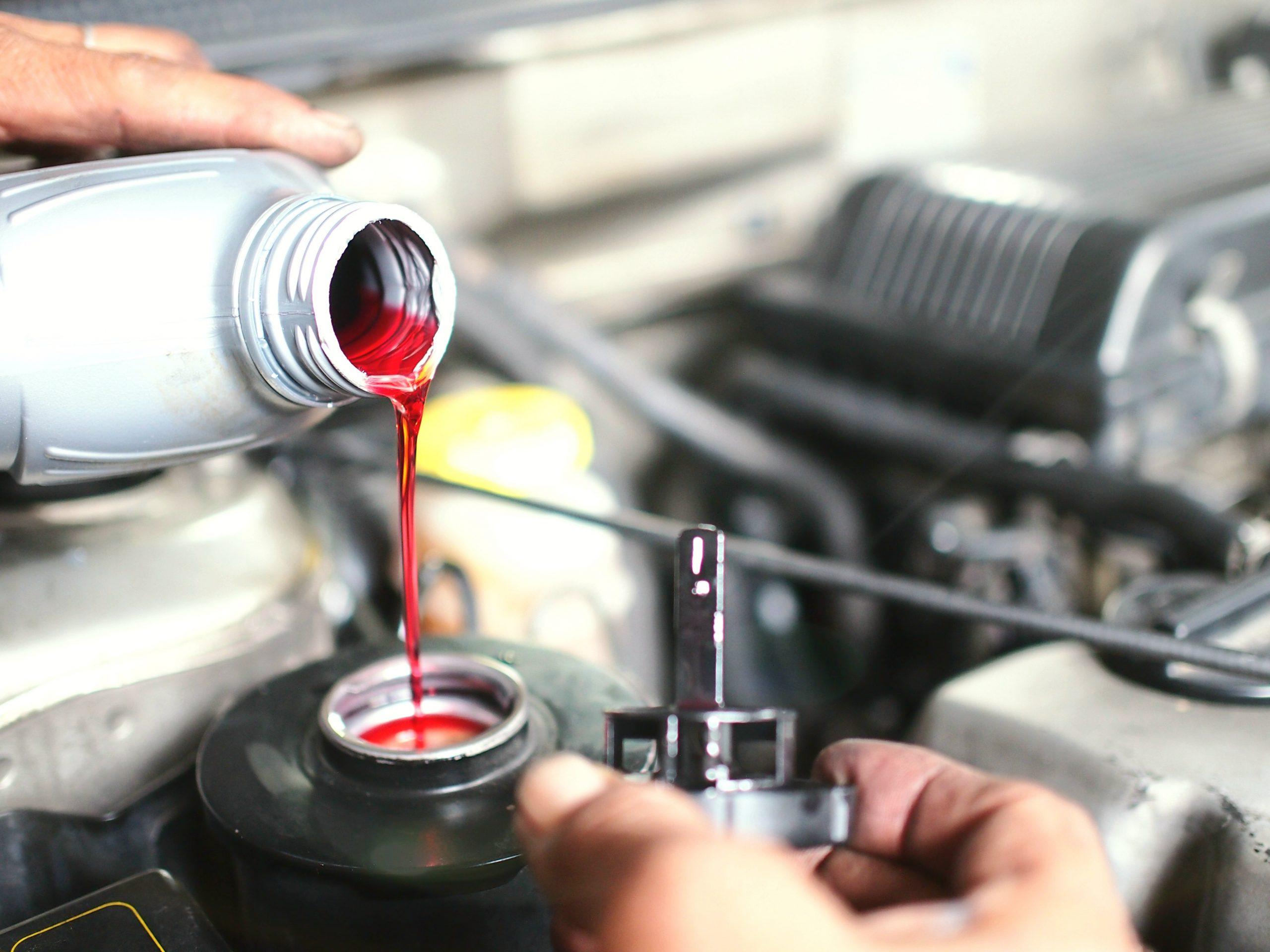
Brake Oil is an essential fluid used in hydraulic braking systems to transfer pressure from the brake pedal to the braking components. Although commonly called brake oil, it is generally referred to as brake fluid because its primary function is hydraulic force transmission rather than engine lubrication. The right brake fluid helps maintain consistent braking performance and protects important braking system components.
Vehicles operate under different conditions, from everyday city traffic to highways, commercial transportation, agricultural work, and hilly roads. Braking systems can generate considerable heat, especially during repeated or heavy braking. This makes selecting a suitable brake fluid and maintaining it at the recommended intervals an important part of vehicle maintenance.
GARS Lubricants manufactures brake fluids and lists DOT 3, DOT 4, and DOT 5 variants as part of its brake fluid range. Its products are intended for automotive applications including different braking and clutch systems.
Brake Oil and Its Role in a Vehicle
The main function of Brake Oil is to transfer hydraulic pressure. When a driver presses the brake pedal, the fluid carries the pressure through the hydraulic system to the brake calipers or wheel cylinders, allowing the braking mechanism to operate.
Unlike engine oil, brake fluid is not primarily designed to lubricate an engine or gearbox. Its performance depends on properties such as viscosity, boiling point, moisture resistance, and compatibility with braking system materials.
GARS Brake Fluid DOT 3, for example, is described as a hydraulic brake fluid for automotive disc, drum, anti-skid braking systems, and clutch systems.
Brake Oil: Why Quality Matters
The braking system is a safety-critical part of a vehicle. Brake fluid needs to perform consistently across the operating temperatures and conditions specified for the vehicle.
A suitable brake fluid can help:
- Transfer hydraulic pressure effectively
- Maintain consistent brake response
- Handle heat generated during braking
- Protect compatible braking components against corrosion
- Support the operation of hydraulic braking systems
- Maintain performance in different driving conditions
GARS states that its brake fluid formulations include corrosion inhibitors and other additives intended to protect braking system components.
How Does Brake Oil Work?
Brake fluid operates within a closed hydraulic system. When the driver presses the brake pedal, the master cylinder pressurises the fluid. This pressure travels through brake lines to the calipers or wheel cylinders.
The resulting movement applies friction to the brake disc or drum, slowing the vehicle.
Because the fluid transmits pressure, it needs to remain suitable for the braking system's operating conditions. Contamination, moisture, or the use of an unsuitable fluid can affect the condition and performance of the hydraulic system.
Understanding DOT 3, DOT 4 and DOT 5 Brake Fluids
Brake fluids are available in different DOT classifications. Vehicle manufacturers specify which type should be used for a particular braking system.
GARS Lubricants lists DOT 3, DOT 4, and DOT 5 brake fluid variants on its brake oil page.
The correct choice should always be based on the vehicle manufacturer's recommendation rather than simply selecting a higher-numbered DOT fluid.
For example, GARS Brake Fluid DOT 3 is described as being based on polyethylene glycol ether technology and is specified for automotive disc, drum, anti-skid braking systems, and clutch systems. Its listed dry equilibrium reflux boiling point is 218°C, with a minimum wet equilibrium reflux boiling point of 140°C.
What Happens When Brake Fluid Absorbs Moisture?
Many brake fluids are hygroscopic, meaning they can absorb moisture from the surrounding environment. Over time, moisture contamination can affect the fluid's boiling characteristics and overall condition.
During heavy braking, high temperatures can be generated around braking components. If fluid condition has deteriorated significantly, the braking system may not perform in the same way as it does with fresh fluid.
For this reason, brake fluid should be inspected and replaced according to the vehicle manufacturer's recommended maintenance schedule.
Brake Oil for Cars, Bikes and Commercial Vehicles
Brake fluid is used across different types of vehicles, although the required specification depends on the braking system.
Common applications include:
- Passenger cars
- Motorcycles
- Commercial vehicles
- Trucks
- Agricultural equipment
- Vehicles equipped with hydraulic clutch systems
GARS states that its DOT 3 brake fluid is designed for applications ranging from motorcycles and automobiles to commercial trucks and agricultural equipment.
The important point is to match the fluid with the vehicle manufacturer's specified requirements. The same product should not automatically be assumed to be suitable for every vehicle.
How to Choose the Right Brake Oil
Selecting brake fluid should be based on technical requirements rather than brand name or price alone.
Consider these factors before purchasing:
1. Check the Vehicle Manufacturer's Specification
The owner's manual or manufacturer's service information normally specifies the required brake fluid classification. Always follow this recommendation.
2. Check the DOT Classification
Make sure the product's DOT classification matches the vehicle's requirement.
3. Consider the Operating Conditions
Vehicles used for frequent braking, heavy loads, mountainous routes, or commercial operations may experience different braking conditions from ordinary passenger vehicles.
4. Check Product Quality
Choose brake fluid from a manufacturer that follows defined quality-control procedures and provides clear product specifications.
5. Use Clean, Properly Stored Fluid
Brake fluid should be kept in suitable sealed packaging. Once opened, contamination and moisture exposure can affect its condition.
Why Manufacturing and Quality Control Matter
Brake fluid formulation requires appropriate base materials and additives to achieve the properties required for hydraulic braking applications. Manufacturing consistency is therefore important for businesses purchasing brake fluid for workshops, distributors, vehicle maintenance operations, or other commercial requirements.
GARS Lubricants operates a manufacturing facility in Surat, Gujarat. Its quality assurance information states that the facility is ISO 9001:2015 certified and has an in-house quality control laboratory for testing products including brake fluids, engine oils, gear and transmission oils, industrial lubricants, coolants, and metalworking fluids. The company reports a production capacity of more than 36 million litres of oil per year.
Brake Oil Supply for Distributors and Businesses
Brake fluid is one part of a wider automotive lubricant portfolio. Businesses that supply workshops, garages, fleets, agricultural customers, and commercial vehicle operators may require several lubricant categories from the same manufacturer.
An Industrial lubricants distributor may also handle products such as hydraulic oils, gear oils, greases, engine oils, and other industrial fluids depending on its customer base.
GARS Lubricants manufactures and supplies several lubricant categories, including brake oil, engine oil, gear oil, hydraulic oil, grease, coolant, and industrial oils.
For distributors, evaluating product availability, packaging options, quality processes, supply capacity, and manufacturer support can help in planning regular product procurement.
GARS Lubricants as a Brake Fluid Manufacturer
GARS Lubricants has been involved in the oil industry since 1990. According to its company overview, the business initially supplied base oil and additives before expanding into lubricant manufacturing. A fully automatic manufacturing plant was established in 2014, followed by the launch of products including gear and transmission oils, hydraulic oil, coolant oil, and brake fluids.
Its current product portfolio includes brake oil alongside engine oils, gear oils, hydraulic oils, greases, coolants, and other lubricant products.
This wider product range allows automotive and industrial buyers to source different fluid requirements from one manufacturer, subject to the specifications of their equipment and vehicles.
Conclusion
Brake Oil is a critical hydraulic fluid that allows braking systems to transfer pressure effectively from the brake pedal to the braking components. Its condition and specification can directly affect the operation of the hydraulic braking system.
Choosing the correct DOT classification, following the vehicle manufacturer's recommendations, checking fluid condition, and maintaining the braking system at the recommended intervals are important parts of responsible vehicle maintenance.
GARS Lubricants offers brake fluid products including DOT 3 and other listed DOT variants, supported by its lubricant manufacturing and quality-control infrastructure in Surat, Gujarat.

 English
 French
 Spanish
 Turkish
 Italiano
 Russian