
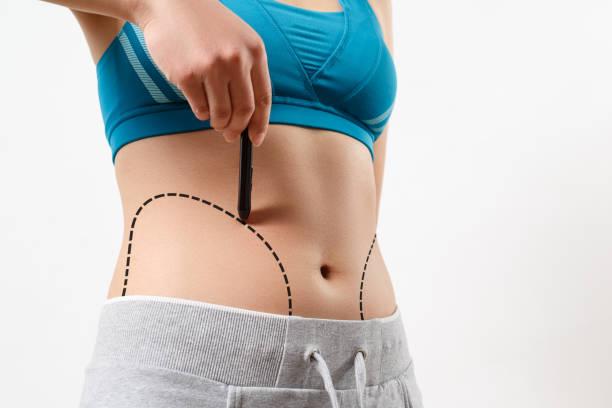
Liposuction is a body-contouring procedure designed to remove localized fat deposits and improve the shape and proportions of selected areas. Before considering Liposuction in Riyadh, patients should understand what the procedure can achieve, who may be suitable, how preparation works, and what recovery may involve. Having realistic expectations and discussing individual goals with a qualified surgeon are important parts of the treatment journey.
What Is Liposuction?
Understanding the Procedure
Liposuction involves removing targeted fat deposits through small incisions using a specialized cannula. The technique may vary depending on the treatment area, amount of fat being addressed, and the patient's individual anatomy. The objective is generally to improve body contours rather than achieve overall weight loss.
Who May Be a Suitable Candidate?
Understanding Candidacy
Liposuction may be appropriate for adults who have localized areas of fat that remain resistant to healthy lifestyle efforts. Candidates are generally expected to have realistic expectations, relatively stable weight, and sufficient overall health for the procedure. Skin quality and elasticity are also considered because they can influence how the treated area looks after fat removal.
Why Individual Assessment Matters
There is no single set of characteristics that makes someone suitable for every liposuction procedure. A qualified surgeon evaluates medical history, body composition, skin elasticity, fat distribution, treatment goals, and other relevant factors before recommending treatment.
What Areas Can Liposuction Treat?
Common Treatment Areas
Depending on individual anatomy and medical assessment, liposuction may be used to contour areas such as the abdomen, hips, thighs, arms, back, flanks, or other localized fat deposits. The specific areas selected should support balanced body proportions rather than simply focus on removing the greatest possible amount of fat.
Is Liposuction a Weight Loss Treatment?
Body Contouring vs. Weight Reduction
Liposuction is not intended to replace a weight-management program. It is primarily used to reshape specific areas by removing localized fat. Patients seeking treatment should understand that significant weight gain after the procedure can still affect body contours.
What Should You Discuss During Consultation?
Medical History and Medications
Before treatment, tell your surgeon about existing health conditions, allergies, previous operations, prescription medications, over-the-counter medicines, supplements, and lifestyle factors such as smoking or nicotine use. Complete information helps the medical team evaluate potential risks and provide appropriate preparation instructions.
Desired Results
Patients should clearly explain which areas concern them and what changes they hope to achieve. A consultation is an opportunity to discuss realistic outcomes, limitations, possible asymmetry, skin laxity, and whether liposuction alone is appropriate.
How Should You Prepare for Liposuction?
Following Pre-Operative Instructions
Preparation varies between patients. Your surgeon may provide instructions regarding medications, supplements, smoking, alcohol, eating, drinking, exercise, and other aspects of your routine. Do not stop prescribed medications or make major changes without medical guidance.
Planning for Recovery
Patients should also prepare their schedule and home environment for the recovery period. Arranging transportation when required, having comfortable clothing available, and allowing time away from strenuous activities can make the early healing period more manageable.
What Happens During Recovery?
Common Temporary Effects
Swelling, bruising, tenderness, and temporary changes in sensation can occur after liposuction. These effects generally improve as healing progresses, although recovery varies according to the individual and the extent of treatment.
Compression Garments
Some patients may be advised to wear compression garments after surgery. If recommended, the garment should be worn according to the surgeon's instructions. Appropriate fit and consistent use may help support the treated areas and manage swelling during recovery.
When Will You See Results?
Allowing Time for Healing
Initial changes may be visible relatively soon, but swelling can temporarily obscure the body's new contours. As the tissues heal and swelling decreases, the results generally become easier to evaluate. The timeline for visible and final results differs from person to person.
What Are the Potential Risks?
Understanding Surgical Considerations
Like any surgical procedure, liposuction carries potential risks. These may include infection, bleeding, swelling, fluid accumulation, contour irregularities, changes in sensation, scarring, and anesthesia-related complications. Less common but serious complications can also occur, making appropriate medical assessment and professional care important.
Recognizing Warning Signs
Patients should understand which symptoms require medical attention after treatment. Severe bleeding, difficulty breathing, chest pain, fainting, or rapidly worsening symptoms require urgent medical evaluation. Your healthcare team should provide specific instructions about when to seek help.
Does Liposuction Permanently Remove Fat?
Understanding Long-Term Results
Fat cells removed from treated areas are permanently removed. However, the remaining fat cells can enlarge if significant weight gain occurs. Maintaining a relatively stable weight and following healthy lifestyle habits can help support the contours achieved after treatment.
Can Liposuction Tighten Loose Skin?
The Importance of Skin Elasticity
Liposuction removes fat rather than significant amounts of excess skin. Patients with good skin elasticity may experience better adaptation of the skin to the new contours, while substantial laxity may remain after fat removal. A surgeon can assess skin quality and discuss whether another body-contouring approach may be more appropriate.
How Can Patients Support Their Results?
Maintaining Healthy Habits
After appropriate recovery, regular physical activity and balanced nutrition can help support a stable weight. Significant weight fluctuations, pregnancy, aging, and natural changes in skin elasticity can alter body contours over time. Healthy habits can contribute to maintaining the changes achieved through Liposuction in Riyadh.
Why Choosing a Qualified Professional Matters
Selecting an appropriately qualified surgeon and suitable medical facility is an important part of treatment planning. Patients should have the opportunity to discuss the recommended technique, potential risks, recovery expectations, follow-up care, and realistic outcomes before making a decision.
Book a Consultation at Royal Clinic Saudia
If you are considering liposuction and want to understand whether the procedure is suitable for your goals, schedule a consultation at Royal Clinic Saudia. A qualified professional can assess your individual needs, discuss preparation and recovery, and explain what you may realistically expect from treatment.
FAQs:
Is liposuction suitable for people who are overweight?
Liposuction is primarily a body-contouring procedure rather than a treatment for obesity or general weight loss. Suitability depends on individual health, body composition, treatment goals, and professional assessment.
How long does liposuction recovery take?
Recovery varies according to the areas treated, extent of the procedure, and individual healing response. Your surgeon can provide a personalized recovery timeline and instructions for returning to normal activities.
Can I gain weight after liposuction?
Yes. Liposuction does not prevent future weight gain. Remaining fat cells can enlarge with significant weight gain, potentially changing the body's contours.
What should I ask before having liposuction?
Ask about your suitability, recommended technique, treatment areas, expected results, potential risks, recovery, activity restrictions, and follow-up care. Discussing these topics with a qualified surgeon can help you make an informed decision.

 English
 French
 Deutsch
 Turkish
 Italiano
 Russian