
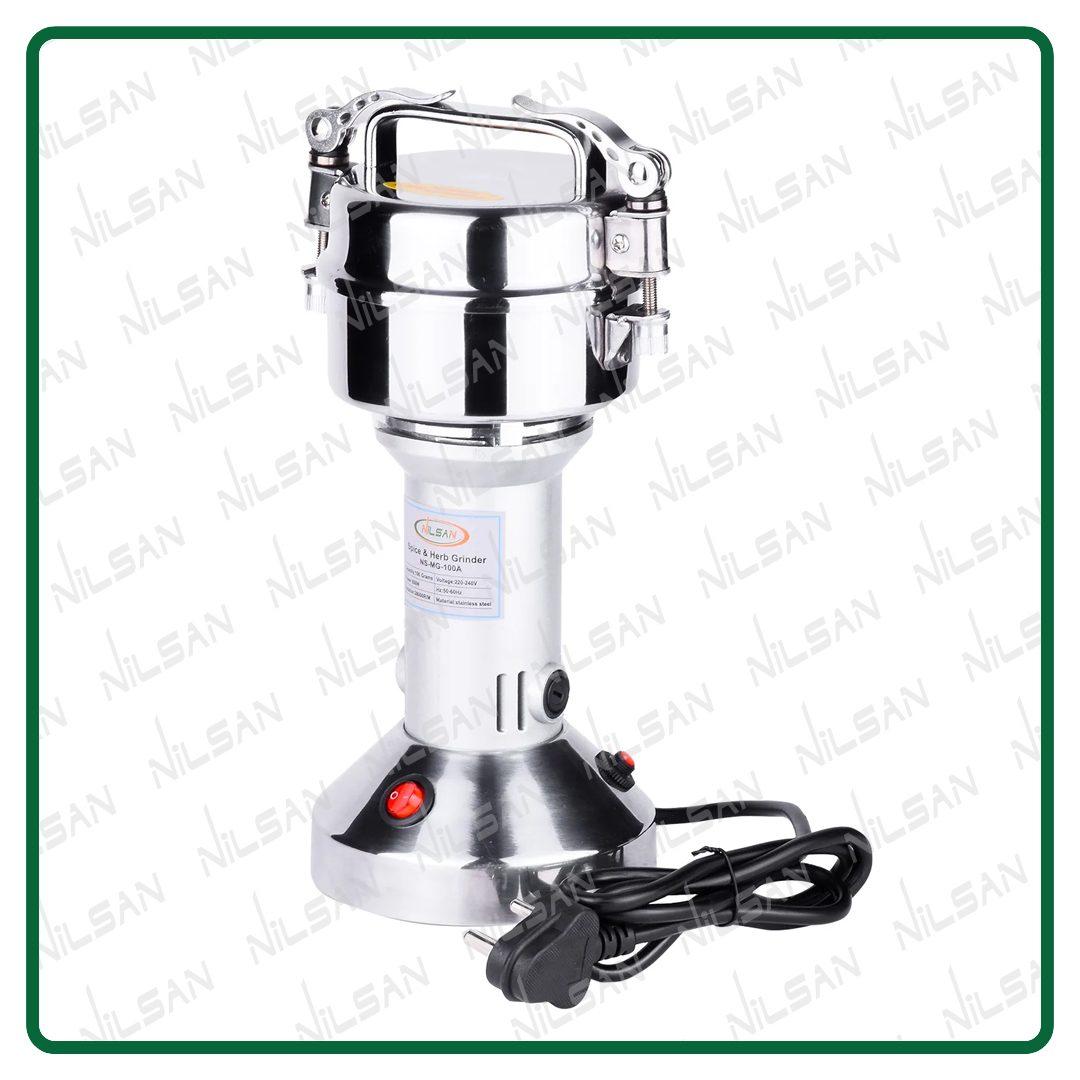
A Dry Masala Grinder is a machine designed to grind dried spices, herbs, and other suitable ingredients into powder. It can be used for products such as turmeric powder, chilli powder, coriander powder, cumin, black pepper, and different spice blends.
For restaurants, spice manufacturers, food-processing businesses, hotels, and small packaged-food businesses, consistent grinding is an important part of production. A suitable grinder can help reduce manual work while making it easier to process spices in controlled batches.
However, not every grinding machine is suitable for every application. The type of spices, required powder fineness, daily production, batch size, motor power, cleaning requirements, and available workspace should all be considered before selecting a Dry Masala Grinder.
What Is a Dry Masala Grinder?
A Dry Masala Grinder is a specialised grinding machine used to reduce dry spices and herbs into smaller particles or powder. The machine uses a motor-driven grinding mechanism, commonly involving high-speed blades, to break down the material inside the grinding chamber.
Unlike a standard kitchen mixer, a dedicated masala grinder is designed specifically for dry ingredients. Depending on the model, it can handle different batch sizes and grinding requirements.
The finished powder can be used directly or passed through a sieve when a more uniform particle size is required. The appropriate grinding time depends on the ingredient and the desired consistency.
How Does a Dry Masala Grinder Work?
The grinding process generally follows a few straightforward steps.
1. Cleaning the Raw Material
Before grinding, spices should be checked and cleaned to remove dust, stones, stems, and other unwanted materials. This is particularly important when whole spices are purchased directly from agricultural or wholesale sources.
2. Drying the Spices
The ingredients must be sufficiently dry before they are placed inside the machine. Moisture can cause spices to stick to the chamber and may result in an uneven or paste-like consistency.
3. Loading the Grinding Chamber
The prepared spices are placed inside the grinding chamber. The quantity should remain within the recommended capacity of the machine.
Overloading can reduce grinding efficiency and place unnecessary stress on the motor.
4. Grinding
When the machine is switched on, the grinding mechanism breaks the spices into smaller particles. The material continues to circulate inside the chamber until it reaches the required consistency.
5. Sieving and Packing
For packaged spice products, the powder can be sieved after grinding to remove larger particles. The finished powder should then be transferred into clean, dry, airtight packaging.
What Can a Dry Masala Grinder Process?
A suitable Dry Masala Grinder can process many commonly used dry spices and herbs, depending on the machine specifications.
Some examples include:
- Turmeric
- Dry red chilli
- Coriander
- Cumin
- Black pepper
- Cinnamon
- Cloves
- Cardamom
- Dry ginger
- Dried herbs
- Spice blends
- Other suitable dry ingredients
Hard spices such as cinnamon and cloves can require more grinding force than softer dried herbs. Therefore, businesses should check the machine's motor and blade specifications according to the ingredients they plan to process.
Dry Masala Grinder for Different Businesses
One of the main advantages of a dedicated grinder is its suitability for different types of food businesses.
Spice Manufacturing Businesses
Spice manufacturers can use grinders to convert whole spices into powders before blending and packaging. Separate batches can be prepared for individual spices or custom spice mixtures.
Restaurants and Hotels
Restaurants and hotels may grind selected spices according to their daily requirements. Freshly ground spices can be used in curries, marinades, sauces, seasoning mixes, and other recipes.
Packaged Spice Businesses
Small and medium-sized businesses producing packaged spices can use a grinder as part of their production process. Grinding, sieving, blending, and packaging can be organised into separate stages.
Food Processing Units
Food-processing facilities may use grinding equipment alongside other machinery for preparing ingredients for different products.
Herbal Product Businesses
Some dry herbs and plant materials can also be processed in suitable grinding equipment. The machine should be checked for compatibility before processing any specialised material.
Benefits of Using a Dry Masala Grinder
A dedicated grinding machine can offer several practical benefits.
Consistent Powder
Machine-based grinding can provide more consistent results than manual grinding when the same operating conditions are maintained.
Faster Batch Processing
Grinding larger quantities manually can take considerable time. A suitable machine can process batches more quickly and reduce the amount of manual effort involved.
Multiple Spice Applications
A versatile grinder can be used for different spices, allowing one machine to support several products.
Easier Production Planning
Batch-based grinding makes it easier to estimate how much raw material can be processed during a working day.
Reduced Manual Work
Instead of relying on manual grinding, an operator can load the appropriate quantity, operate the machine, monitor the process, and prepare the next batch.
How to Choose the Right Dry Masala Grinder
The right machine depends on your production requirements rather than simply its maximum capacity.
Consider Daily Production
Calculate the approximate quantity of spices you need to grind each day. This will help determine the required batch size and number of cycles.
For example, a business processing a few kilograms per day may not need the same machine as a commercial spice manufacturer processing large quantities.
Check Motor Power
The motor should be appropriate for the hardest ingredient you regularly plan to grind. A machine that works well with dried herbs may not necessarily be suitable for frequent grinding of harder spices.
Choose the Appropriate Capacity
Avoid selecting a machine solely because it has the largest chamber. A suitable capacity should match your actual production while allowing practical operation between batches.
Consider Powder Fineness
Some products require a relatively fine powder, while others may have a coarser consistency. If your business produces premium spice powders or specific formulations, check whether the machine can achieve the required fineness.
Check Construction
For food-processing applications, the parts that directly contact spices should be made from appropriate food-grade materials. Stainless steel construction can also make cleaning easier.
Consider Cleaning
Different spices have different colours, aromas, and flavours. Turmeric residue, for example, can affect a subsequent batch of lighter-coloured spices.
A machine that is easy to clean can help reduce cross-contamination between batches.
Importance of Powder Consistency
Powder consistency is important for both commercial and culinary applications.
When spice particles vary significantly in size, some pieces may provide stronger flavour while others may not release their characteristics as evenly. Consistent grinding can help businesses maintain a more predictable product.
For packaged spice manufacturers, consistency can also help maintain a similar appearance and texture across different batches.
When necessary, the ground material can be passed through a suitable sieve. Larger particles can be returned to the grinder for additional processing.
Hygiene and Cleaning Practices
Cleaning should be treated as part of the normal production process rather than an occasional maintenance task.
The grinding chamber should be cleaned after processing, especially when changing from one type of spice to another. Remove remaining powder and residue from the chamber, blades, and other relevant areas according to the manufacturer's instructions.
Use only completely dry ingredients in a dry grinder. Wet materials can stick to the grinding components and make cleaning more difficult.
The machine should also be stored in a clean and dry location when not in use.
Common Mistakes to Avoid
Several simple mistakes can affect grinding performance.
Overloading the Chamber
Filling the chamber beyond its recommended capacity can result in uneven grinding and unnecessary motor stress.
Using Damp Ingredients
Moisture can cause dry spices to stick together and may make it difficult to achieve the desired powder consistency.
Grinding Without Cleaning
Leaving powder from one spice inside the chamber can affect the flavour, colour, and aroma of the next batch.
Ignoring Motor Requirements
A grinder should be selected according to the ingredients it will process. Hard spices require suitable motor and blade performance.
Running Continuous Batches Without Breaks
Following the manufacturer's recommended operating cycle can help manage motor heat and reduce unnecessary mechanical stress.
Dry Masala Grinder in a Food Processing Setup
A spice grinding machine can be combined with other food-processing equipment to create a broader production setup.
For example, a business producing edible oils may use an Oil Expeller for mechanical oil extraction while using a Dry Masala Grinder for processing spices and herbs.
The two machines serve different purposes, but both can be useful within a food-processing business that handles multiple product categories. Equipment should always be selected according to the specific raw materials and production requirements.
Maintenance Tips for a Dry Masala Grinder
Regular maintenance can help keep the grinder operating properly.
Clean the chamber after each production cycle and inspect the blades regularly. If the blades become worn, grinding performance may become less consistent.
Check the motor and electrical connections periodically. Follow the manufacturer's instructions for lubrication and servicing where applicable.
Do not exceed the recommended batch capacity. When processing hard spices, allow appropriate operating breaks according to the machine's instructions.
Keeping a simple record of cleaning, inspections, and servicing can also help identify problems before they affect regular production.
Why Choose Nilsan India for Dry Masala Grinders?
Nilsan India offers a range of masala and herbs grinding machines for different applications and production requirements. The current range includes models intended for home use as well as commercial spice-processing applications.
The available models differ in capacity and specifications, allowing businesses to select equipment according to their expected workload. Nilsan's product range also includes other food-processing machinery, which can be considered when developing a broader processing setup.
Before selecting a machine, businesses should compare its capacity, motor power, construction, grinding requirements, and intended ingredients with their actual production needs.
Conclusion
A Dry Masala Grinder can make spice processing more organised, consistent, and manageable for restaurants, spice manufacturers, food-processing units, and other businesses. It can handle a range of suitable dry spices and herbs while reducing the manual effort required for regular grinding.
The right machine should be selected according to daily production, ingredient type, required powder fineness, motor power, batch capacity, construction, cleaning, and maintenance requirements.

 English
 French
 Spanish
 Deutsch
 Italiano
 Russian