
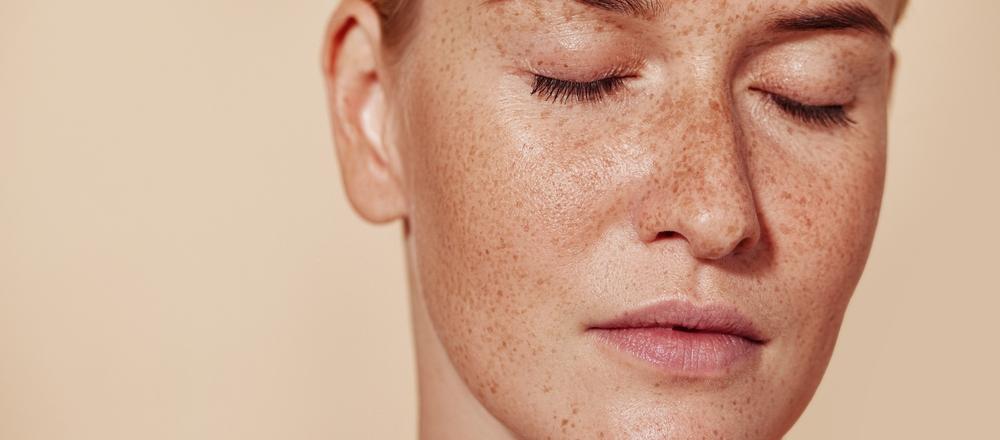
Pigmentation is one of the most common skin concerns that can affect people of different ages and skin types. It may appear as dark spots, uneven skin tone, patches, or areas that look darker than the surrounding skin. Sun exposure, hormonal changes, acne, inflammation, and certain skin conditions can all contribute to pigmentation. Understanding the type of pigmentation is an important step toward choosing the right treatment.
At Altaderma Clinic, pigmentation concerns can be assessed according to the individual’s skin type, pigmentation pattern, and underlying cause. A personalized approach can help determine which treatment options may be suitable for achieving a more even and brighter-looking complexion.
What Is Pigmentation?
Pigmentation refers to changes in the color of the skin caused by the production or distribution of melanin. Melanin is the natural pigment responsible for skin, hair, and eye color. When the skin produces more melanin in certain areas, those areas may become darker than the surrounding skin.
Pigmentation can develop on the face, neck, hands, arms, and other exposed areas of the body. Some pigmentation may fade over time, while other types can remain for months or years without proper care.
The goal of Pigmentation Treatment in Dubai is generally to improve the appearance of uneven skin tone and reduce the visibility of unwanted dark areas while supporting healthier-looking skin.
Why Does Pigmentation Develop?
There are several possible reasons why pigmentation develops. Identifying the cause can help a skin specialist recommend an appropriate treatment plan.
Common causes include:
- Excessive sun exposure
- Hormonal changes
- Acne and acne-related inflammation
- Skin injuries or irritation
- Certain medications
- Aging
- Genetics
- Post-inflammatory changes
- Some underlying skin conditions
Dubai has a sunny climate, and regular exposure to ultraviolet radiation can contribute to increased melanin production. Without consistent sun protection, existing pigmentation may also become more noticeable.
Different Types of Pigmentation
Pigmentation does not look the same in every person. Different types can have different causes and may require different approaches.
Understanding the type of pigmentation can make the treatment process more focused and personalized.
Melasma and Facial Pigmentation
Melasma is a common pigmentation concern that usually appears as brown or greyish patches on the face. It commonly affects areas such as the cheeks, forehead, nose, and upper lip.
Hormonal changes can play a role in melasma. Sun exposure can also make it more noticeable. Because melasma can be persistent, treatment often involves a combination of professional skin care and daily sun protection.
At Altaderma Clinic, a skin assessment can help determine whether facial pigmentation may be related to melasma and what treatment approach may be appropriate.
Sunspots and Age Spots
Sunspots, sometimes called age spots, are flat areas of increased pigmentation that can develop after repeated sun exposure. They are often found on the face, hands, shoulders, chest, and other areas that receive regular sunlight.
These spots may become more visible with age because of cumulative sun exposure. Professional pigmentation treatments may help reduce their appearance and create a more even skin tone.
Post-Inflammatory Hyperpigmentation
Post-inflammatory hyperpigmentation, often called PIH, can develop after the skin experiences inflammation or injury. Acne is one of the most common causes.
For example, after a pimple heals, it may leave behind a brown or dark mark. Scratching, picking, or irritating the skin can sometimes increase the risk of these marks.
PIH can affect all skin types, although it may be more noticeable in medium to darker skin tones. Treating the underlying skin concern and protecting the skin from the sun can be important parts of managing these marks.
Freckles
Freckles are small, flat brown spots that can appear on areas exposed to sunlight. They are often influenced by genetics and can become darker after sun exposure.
Some people naturally have freckles from a young age, while others may notice them becoming more visible over time. Professional skin treatments may help reduce their appearance when desired.
Acne-Related Pigmentation
Acne can leave behind more than temporary redness. Once active acne improves, dark marks may remain on the skin. These marks can take considerable time to fade naturally.
A suitable Pigmentation Treatment in Dubai may be considered when these marks do not improve with basic skin care. However, active acne may also need to be addressed to help reduce the development of new pigmentation.
Pigmentation Caused by Sun Exposure
The sun is one of the major external factors associated with pigmentation. Ultraviolet radiation can stimulate melanin production and contribute to darker spots and uneven skin tone.
Daily sunscreen is therefore an important part of pigmentation care. Even after professional treatment, regular sun protection can help reduce the chances of pigmentation becoming more noticeable again.
At Altaderma Clinic, patients can receive guidance on professional treatments and skin care practices that support long-term results.
How Is Pigmentation Diagnosed?
Before starting treatment, a professional skin assessment is important. Pigmentation can have different causes, and not every dark spot should be treated in the same way.
During an assessment, a skin specialist may consider:
- The location of pigmentation
- Color and appearance
- Skin type
- Duration of the pigmentation
- Previous treatments
- Sun exposure
- Hormonal or lifestyle factors
- Existing skin conditions
This information can help create a personalized treatment plan.
Pigmentation Treatment Options at Altaderma Clinic
The appropriate treatment depends on the type, depth, and cause of pigmentation. Different professional options may be considered depending on the individual’s skin condition.
Potential approaches can include laser-based treatments, chemical peels, medical skin care, and other professional procedures.
Laser Treatment for Pigmentation
Laser-based procedures may be used to target unwanted pigmentation. Depending on the type of laser and the pigmentation being treated, the procedure may help break down or reduce excess pigment.
Laser treatment is not suitable for every person or every type of pigmentation. A professional assessment is important, particularly for people with darker skin tones, because treatment settings need to be carefully selected.
Chemical Peels
Chemical peels use specially selected solutions to exfoliate the skin and encourage the development of newer-looking skin. Some peels may help improve the appearance of pigmentation, dullness, and uneven texture.
The type and strength of the peel should be selected according to the patient’s skin condition and goals.
Medical Skin Care
Certain topical products may be recommended to support pigmentation management. These products may help improve uneven tone and support skin renewal.
A professional should determine which products are suitable because using strong products incorrectly can sometimes cause irritation and worsen pigmentation.
How Much Does Pigmentation Treatment Cost in Dubai?
The Pigmentation Treatment cost in Dubai can vary from one person to another. There is no single price that applies to every pigmentation treatment because the total cost depends on several factors.
These may include:
- Type of pigmentation
- Treatment method
- Number of sessions required
- Size of the treatment area
- Severity of pigmentation
- Type of equipment used
- Skin condition
- Professional consultation and follow-up care
For an accurate estimate, patients can consult Altaderma Clinic for an individual assessment and treatment plan.
What Should You Expect During Pigmentation Treatment?
The experience depends on the selected procedure. Some treatments may cause mild warmth, tingling, redness, or temporary sensitivity. Other treatments may involve peeling or mild skin irritation during the recovery period.
Your skin specialist can explain what to expect before treatment. Following aftercare instructions carefully can help support the healing process.
It is also important to avoid unnecessary sun exposure and use sunscreen as recommended. Picking, scratching, or irritating treated skin should generally be avoided.
How Many Sessions Are Needed?
The number of sessions varies depending on the pigmentation type, depth, skin type, and selected treatment.
Some mild pigmentation may improve with a small number of treatments, while deeper or long-standing pigmentation may require a longer treatment plan. Results also develop at different rates for different people.
A consultation at Altaderma Clinic can help determine the expected number of sessions based on the individual skin condition.
Why Is Sun Protection Important After Treatment?
Sun protection is one of the most important parts of pigmentation management. UV exposure can stimulate melanin production and may contribute to pigmentation returning or becoming darker.
Using a broad-spectrum sunscreen, wearing protective clothing, and limiting prolonged direct sun exposure can support the results of professional treatment.
Daily protection is especially important in sunny environments such as Dubai.
Can Pigmentation Come Back?
Pigmentation can sometimes return, particularly when the underlying triggers continue. Hormonal changes, sun exposure, inflammation, and certain skin conditions may contribute to recurrence.
For this reason, pigmentation treatment should not only focus on reducing existing pigmentation. Long-term skin care and prevention are also important.
A personalized maintenance routine can help support a more even-looking complexion.
Choosing the Right Pigmentation Treatment in Dubai
Choosing the right treatment starts with understanding the type of pigmentation. A procedure that works well for one pigmentation concern may not be suitable for another.
Professional evaluation can help determine whether the pigmentation is related to sun exposure, hormones, acne, inflammation, or another factor. It can also help reduce the risk of using an unsuitable treatment.
At Altaderma Clinic, treatment planning can be personalized according to the patient’s skin type, pigmentation concerns, and desired results.
How Can You Maintain an Even Skin Tone?
Professional treatment is only one part of pigmentation care. A consistent skin care routine can also make a difference.
Helpful habits may include:
- Apply sunscreen every day
- Avoid excessive sun exposure
- Follow the recommended skin care routine
- Avoid picking acne or irritated skin
- Keep the skin moisturized
- Follow professional aftercare instructions
- Attend recommended follow-up appointments
Consistency is particularly important because pigmentation can take time to improve.
Conclusion
Pigmentation can appear in several forms, including melasma, sunspots, freckles, acne marks, and post-inflammatory hyperpigmentation. Each type may have different causes and may respond differently to treatment. Understanding the underlying pigmentation concern is therefore an important part of creating a suitable treatment plan.
Pigmentation Treatment in Dubai can include different professional approaches depending on the individual’s skin condition. At Altaderma Clinic, a personalized assessment can help identify the pigmentation type and determine suitable treatment options.
The Pigmentation Treatment cost in Dubai also varies depending on the treatment method, number of sessions, treatment area, and individual skin needs. A consultation can provide a clearer understanding of the recommended treatment and expected cost.

 French
 Spanish
 Deutsch
 Turkish
 Italiano
 Russian