
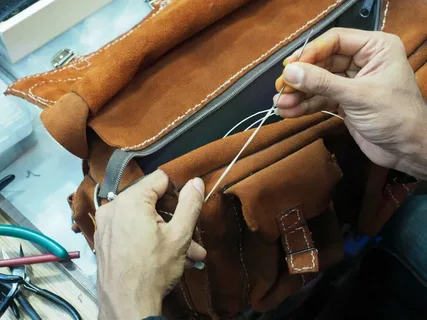
A suitcase zipper can become difficult to use after repeated travel. It may start catching, separate after closing, or stop moving altogether. When this happens, luggage zipper repair Dubai can help identify whether the problem is with the slider, zipper teeth, fabric, or another part of the suitcase.
A zipper problem may look simple from the outside, but forcing it can quickly make the damage worse. Before replacing the entire suitcase, check what is actually causing the problem.
When the Zipper Starts Getting Stuck
A zipper that feels stiff is often an early warning sign.
The slider may catch on the surrounding fabric or struggle to move over a damaged section.
Start by checking whether anything is trapped in the zipper path. Do not pull harder if the slider is clearly stuck.
Repeated force can bend the slider or damage the zipper teeth.
If removing the obstruction does not solve the problem, the zipper may need closer inspection.
The Slider May Be the Problem
The slider is the small component that moves along the zipper and brings the teeth together.
It can become worn or damaged through regular use.
You may notice that:
-
The slider moves but the teeth remain open
-
The zipper separates behind the slider
-
The slider feels unusually loose
-
The zipper closes only partially
-
The slider gets stuck at the same point
In some cases, the slider can be replaced without replacing the complete zipper.
This depends on the zipper design and the condition of the surrounding components.
Check the Zipper Teeth
Look along the entire zipper rather than focusing only on the point where it stopped working.
Bent, missing, or damaged teeth can prevent the slider from moving correctly.
If the teeth are significantly damaged, simply changing the slider may not solve the problem.
The repair approach depends on the location and extent of the damage.
A technician can inspect the zipper and determine whether a component can be repaired or whether a larger section needs replacement.
Fabric Damage Can Affect the Zipper
Suitcase zippers are attached to fabric or other materials around the case.
If this surrounding material becomes loose or torn, the zipper may stop sitting correctly.
You may notice fabric pulling away from the zipper track or stitching becoming loose.
This type of damage should not be ignored because continued use can enlarge the affected area.
Repairing the surrounding material may be necessary before the zipper can operate properly again.
Do Not Overfill the Suitcase
Sometimes the zipper is working correctly but the suitcase is simply too full.
When a suitcase is packed beyond its comfortable capacity, pressure is placed on the zipper and surrounding material.
This can make the zipper difficult to close and may increase stress on the slider and teeth.
If the zipper becomes difficult only when the suitcase is full, reduce the contents and test it again.
Avoid forcing the zipper closed over excessive luggage.
A Broken Zipper Pull Is Different
The small pull attached to the slider can also break.
This does not necessarily mean the zipper itself has failed.
If the slider still moves correctly, replacing the pull may be enough to restore normal use.
However, a temporary replacement should not interfere with the slider's movement.
If the slider or zipper is also damaged, a more complete repair may be required.
What About a Hard-Shell Suitcase?
Hard-shell suitcases can have zipper systems mounted around the edge of the shell.
An impact can sometimes affect the shell, frame, or zipper alignment.
Look for cracks or deformation around the area where the zipper is attached.
If the zipper problem appeared after the suitcase was dropped or heavily impacted, mention this when arranging an inspection.
The zipper may not be the only damaged component.
Check the Zipper Before Travelling
It is better to discover zipper problems at home than at the airport.
Open and close the suitcase several times while it is empty.
Then pack it normally and test the zipper again.
Pay attention to sections where the slider catches or where the teeth separate.
If you notice a problem, arrange a repair before the trip rather than relying on the zipper for one more journey.
Can a Zipper Be Repaired or Does It Need Replacement?
The answer depends on the damaged component.
A repair may be possible when the problem involves:
-
A broken zipper pull
-
A worn slider
-
Loose stitching
-
Minor fabric damage
-
A small issue with the zipper attachment
More extensive damage may require replacing part or all of the zipper.
The condition of the suitcase should also be considered. If the shell, frame, wheels, and handle are already badly damaged, repairing one zipper may not be the only issue to address.
Prepare the Suitcase Before Repair
Before taking a suitcase for repair, empty all compartments.
Clean around the zipper so the technician can clearly inspect it.
Also note when the problem started and what happens when you try to use the zipper.
For example, explain whether the slider is stuck, the teeth separate, or the surrounding fabric has come loose.
This information can make the inspection more straightforward.
When Professional Luggage Repair Makes Sense
Professional assistance is useful when the zipper cannot be opened or closed normally, the teeth are damaged, or the slider repeatedly separates the zipper.
A repair service can inspect the zipper together with the surrounding suitcase structure.
For related suitcase problems, luggage repair in Dubai can be considered when your luggage needs attention before or after a trip.
If the zipper issue is part of a larger suitcase problem, checking the complete case can help identify other worn components at the same time.
Final Thoughts
A faulty suitcase zipper does not always mean you need a new suitcase.
The problem may involve the slider, zipper teeth, pull, stitching, or surrounding material. Identifying the damaged component first can help determine whether a small repair or a larger replacement is needed.
Avoid forcing a stuck zipper, especially when the suitcase is packed.
Checking your luggage before travelling and arranging repairs early can help you avoid a zipper failure when you need your suitcase most.

 English
 French
 Spanish
 Turkish
 Italiano
 Russian