
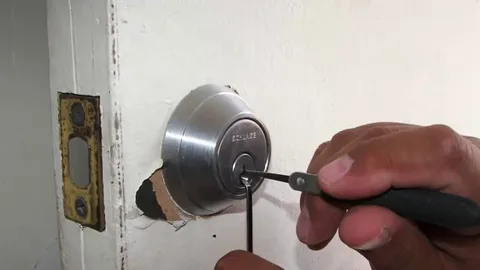
Door Lock Repair Dubai: Common Problems That Should Not Be Ignored
A door lock can become difficult to use long before it stops working completely. A key may start sticking, the handle may feel loose, or the door may only lock when you push or pull it into a certain position. When these signs appear, door lock repair Dubai can help identify the cause before the problem becomes more serious.
The important thing is not to focus only on the lock cylinder. The door, frame, hinges, strike plate, and other hardware can also affect how the locking system works.
The Key No Longer Turns Smoothly
One of the most common warning signs is a key that becomes harder to turn.
A key should normally enter and operate the lock without excessive force. If you need to wiggle it, push it unusually hard, or turn it repeatedly, something may be wrong.
The issue could be caused by:
-
A worn key
-
Dirt inside the lock
-
A worn cylinder
-
Door alignment problems
-
Internal damage
Do not force a stiff key. Excessive pressure can cause the key to bend or break inside the lock.
The Lock Works Only When the Door Is Open
This is an important detail that can help identify the actual problem.
Open the door and test the lock carefully. If the mechanism works normally while the door is open but becomes difficult when the door is closed, the lock itself may not be the main problem.
The door could be slightly misaligned.
For example, the latch or bolt may be pressing against the strike plate instead of entering it correctly. Loose hinges or movement in the frame can also affect alignment.
In such cases, adjusting the door or surrounding hardware may solve the problem without replacing the entire lock.
A Loose Handle Can Affect the Lock
Door handles are used frequently, so they can become loose over time.
A loose handle may not immediately prevent the door from locking, but it can affect how the internal mechanism operates.
Check whether the handle moves more than it normally should.
If screws or connecting components are loose, they may need adjustment or replacement. Continuing to use a damaged handle can place additional stress on the locking mechanism.
The Lock Is Becoming Noisy
Unusual sounds can also be a warning sign.
You may hear grinding, clicking, scraping, or other sounds when turning the key or operating the handle.
A small amount of mechanical noise does not always mean the lock needs replacement. However, a new or worsening sound deserves attention.
Ignoring a developing mechanical problem can eventually leave you with a door that cannot be secured or opened normally.
The Door Does Not Stay Locked
Another issue occurs when the lock appears to engage but does not hold correctly.
This can happen when the latch does not reach the correct position or when the locking mechanism is worn.
Check the strike area and surrounding frame for visible damage.
If the door has dropped slightly or the hinges have shifted, the locking problem may actually be related to the door's position.
A professional inspection can help determine whether the solution involves the lock, the door, or both.
Aluminium Doors May Need Compatible Hardware
Not every lock fits every door.
Aluminium doors often use specific profiles and locking hardware, so choosing a replacement simply because it looks similar may create compatibility problems.
Measurements and the existing door configuration should be considered before selecting replacement hardware.
For doors that require this type of component, an aluminium door lock solution may be considered after checking the existing setup.
This is particularly important when replacing a lock rather than repairing a small mechanical issue.
When Repair May Be Enough
A lock does not automatically need to be replaced because it has become difficult to operate.
Repair may be suitable when the problem involves a loose component, minor alignment issue, worn hardware, or another repairable fault.
The decision depends on the condition of the locking mechanism

 English
 French
 Spanish
 Deutsch
 Turkish
 Russian