
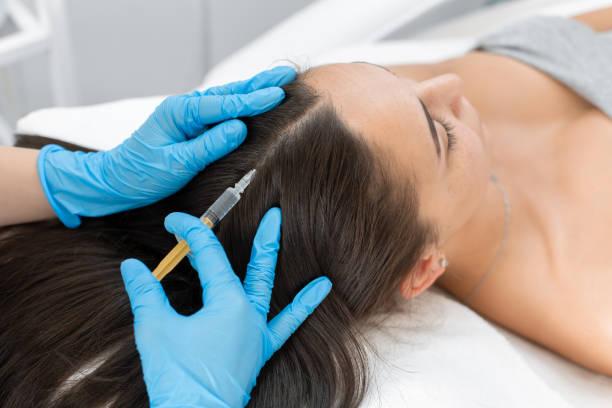
Choosing a hair restoration approach is rarely straightforward. Every option promises improvement, yet each works differently, suits different stages of hair loss, and carries its own trade-offs. PRPHairTreatment in Riyadh PRP has earned attention as a non-surgical, biologically based alternative—but how does it actually compare to medication, laser therapy, and transplantation? This guide offers a clear, honest comparison so you can judge where PRP genuinely fits.
Understanding the Treatment Landscape
Hair restoration options fall into several categories: topical treatments, oral medications, energy-based devices, injectable therapies, and surgery.
Each addresses hair loss through a distinct mechanism. Comparing them fairly requires understanding what each can and cannot do.
PRP Versus Topical Treatments
Topical solutions are applied directly to the scalp and must penetrate the skin barrier to reach follicles. Absorption is limited and inconsistent.
PRP is injected into the target area, delivering growth factors in close proximity to follicles. This bypasses the absorption problem entirely.
Topicals suit mild thinning and maintenance; PRP may offer more targeted follicle support.
PRP Versus Oral Medications
Oral medications work systemically, influencing hair cycling throughout the body. This explains both their effectiveness and their potential side effects.
PRP acts locally at the scalp level, with effects confined to treated areas. Patients concerned about systemic effects often prefer this localized approach.
Neither replaces the other—many patients use both.
PRP Versus Laser Therapy
Laser devices aim to stimulate follicles using light energy. Evidence varies by device, and results are generally modest.
PRP delivers biological growth factors rather than energy. The mechanisms differ, though both are non-surgical and require consistency.
PRP Versus Hair Transplantation
Transplantation relocates follicles from one area of the scalp to another. It is the only option that restores hair in completely bald areas.
PRP does not move or create follicles—it supports existing ones. For advanced baldness, transplantation remains definitive; PRP cannot replace it.
The Question of Follicle Viability
This is the crucial distinction. PRP works only where follicles remain active. Transplantation works regardless, because follicles are physically relocated.
Understanding this difference prevents unrealistic expectations.
Comparing Downtime and Recovery
PRP involves no incisions and no meaningful downtime. Most patients resume normal activities immediately.
Transplantation requires a recovery period and involves surgical trauma. Medications and topicals involve no downtime but require daily commitment.
Comparing Safety Profiles
Because PRP uses your own blood, allergic reaction risk is minimal. Side effects are typically limited to temporary tenderness and redness.
Medications carry systemic considerations; surgery carries surgical risks. PRP's profile is comparatively favorable.
Comparing Results Timelines
PRP results develop over three to twelve months. Medications may show effects within months but require ongoing use.
Transplantation produces more immediate visible change once healing completes. Each timeline differs.
Comparing Maintenance Requirements
PRP requires periodic maintenance sessions. Medications require daily use indefinitely.
Transplantation results are generally permanent, though surrounding hair may continue thinning.
Where PRP Works Best
PRP is most effective for early to moderate thinning with active follicles. It may slow progression and improve density in these cases.
It is often used alongside other treatments rather than as a standalone solution.
Why Combination Approaches Often Excel
PRP complements other options. It may be combined with topical treatments, oral medications, or used before and after transplantation to support healing.
Combination protocols frequently outperform any single approach used alone.
How to Decide Which Option Suits You
Consider your stage of hair loss, follicle viability, tolerance for downtime, willingness to commit to maintenance, and budget.
Professional assessment determines which options are appropriate for your situation.
Questions to Ask During Consultation
Ask whether your follicles remain active, how each option compares for your case, and whether combining treatments would improve results.
A provider who explains trade-offs honestly helps you choose wisely.
For those seeking expert guidance and customized aesthetic care, you can book an appointment consultation at the Enfield Royal Riyadh.
FAQs
Is PRP better than medication for hair loss?
Neither is universally better; each works differently and may be combined.
Can PRP replace hair transplantation?
No, transplantation restores hair in bald areas; PRP only supports active follicles.
Does PRP have downtime?
No meaningful downtime; most patients resume normal activities immediately.
How does PRP compare to laser therapy?
PRP delivers biological growth factors; lasers use light energy. Both are non-surgical.
Which option is right for me?
Professional assessment based on your stage of hair loss and goals determines suitability.
Final Thoughts
PRP hair treatment occupies a distinct place among hair restoration options. It is non-surgical, biologically based, and requires minimal downtime—but it cannot replace transplantation for advanced baldness or substitute for medical management of underlying conditions. Understanding how PRP compares to each alternative helps you choose based on suitability rather than hype. The best approach is often a combination, tailored to your specific situation.

 English
 French
 Spanish
 Deutsch
 Turkish
 Italiano