
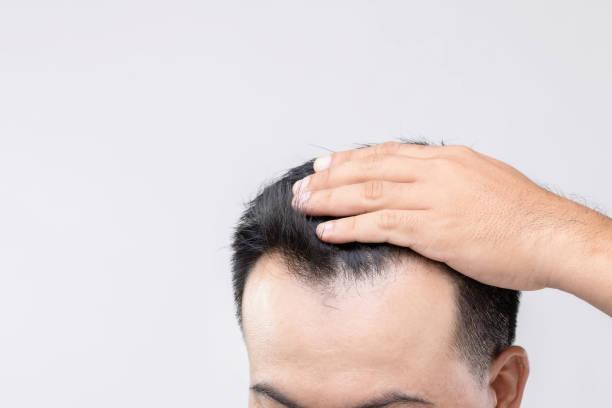
Thinning hair can gradually reduce overall hair density, making the scalp more visible and causing the hair to appear less full. When existing follicles remain active but produce finer strands, treatments that focus on supporting follicular function may be considered. prp in riyadh is a non-surgical approach that uses platelet-rich plasma prepared from the patient’s own blood to support existing hair follicles.
Hair density can be influenced by genetics, hormones, age, nutritional factors, stress, medical conditions, and scalp health. PRP Hair Treatment in Riyadh may be suitable for selected patients whose follicles remain viable and may benefit from additional support. A professional assessment is important because PRP does not work equally for every type or stage of hair loss.
What Does Hair Density Mean?
Hair density refers to the amount of hair growing within a particular area of the scalp. When follicles become weaker or produce progressively thinner strands, the overall appearance of density may decrease.
Reduced density does not always mean that follicles have completely disappeared. In some cases, follicles may still be capable of producing hair but generate finer strands. This distinction can be important when considering treatments designed to support existing follicles.
How PRP May Support Hair Density
PRP is prepared from a small sample of the patient’s blood. The sample is processed to concentrate platelets, which contain growth factors and signaling proteins involved in tissue repair and cellular communication.
The concentrated plasma is then administered through targeted injections into areas where thinning is present. These components may influence the local environment around hair follicles and potentially support follicular activity.
Research has reported potential improvements in hair density and thickness for some patients, but responses vary and the precise mechanisms and optimal treatment protocols continue to be studied.
Who May Consider PRP for Thinning Hair?
PRP may be considered for people experiencing certain forms of hair thinning where viable follicles remain. It may be particularly relevant for some patients with pattern hair loss or reduced density during earlier stages of follicular miniaturization.
However, not every person with thinning hair is an appropriate candidate. Hair loss caused by certain medical, autoimmune, nutritional, or scalp conditions may require different treatment approaches. Identifying the underlying cause should therefore come before deciding on PRP.
What Happens During the Procedure?
The treatment generally begins with a consultation and assessment of the scalp. If PRP is considered appropriate, a small amount of blood is collected.
The blood is processed using a separation technique to concentrate the platelet-rich portion. The prepared PRP is then injected into selected areas of the scalp according to the individual’s pattern of thinning.
The treatment is non-surgical, although injections can cause temporary discomfort or sensitivity.
What to Expect After Treatment
Temporary redness, tenderness, swelling, bruising, or mild discomfort may occur around the injection sites. These effects can vary between patients and generally settle as the scalp recovers.
Following the specific aftercare instructions provided by the treating professional is important. Patients should ask about scalp washing, exercise, hair products, and other activities after treatment.
When Can Hair Density Improve?
PRP does not produce an immediate increase in hair density. Hair follicles operate according to natural growth cycles, so any potential improvement develops gradually.
Some patients may experience changes in hair thickness, shedding, or visible density over time, while others may have a more limited response. The outcome can depend on the cause of hair loss, follicle condition, treatment protocol, and individual biology.
How Many Treatments May Be Needed?
A PRP treatment plan often involves multiple sessions, but the recommended number and frequency can vary. Factors such as the extent of thinning, overall scalp condition, and response to previous treatment may influence the plan.
Follow-up assessments allow the treating professional to evaluate progress and determine whether additional sessions may be appropriate.
PRP and Other Hair-Density Treatments
PRP does not necessarily have to be considered in isolation. Depending on the cause of thinning, a professional may discuss other medically appropriate treatments, including topical or oral therapies or hair transplantation.
A hair transplant has a different purpose because it relocates follicles from a donor area, whereas PRP is intended to support existing follicles. The appropriate combination or sequence depends on the individual diagnosis and treatment goals.
Factors That Can Affect Hair Density
Several factors can influence how dense the hair appears and how it responds to treatment. Genetics and age can play important roles, while nutrition, hormonal changes, stress, scalp conditions, and certain medications may also contribute to thinning.
Addressing an underlying issue when one is identified can be an important part of improving overall hair health. PRP should be viewed as one potential component of a personalized treatment strategy rather than a guaranteed solution.
Supporting Healthy Hair Growth
Healthy lifestyle habits can complement professional hair treatment. Eating a balanced diet, obtaining adequate nutrients, managing stress, and maintaining appropriate scalp care can support general hair and scalp health.
Patients should also avoid using supplements or hair-loss products without understanding whether they are appropriate for their individual needs. Professional guidance can help identify potential deficiencies or other contributing factors.
Setting Realistic Expectations
The goal of PRP is to support existing follicles and potentially improve the appearance of hair thickness and density in suitable patients. It cannot reliably recreate follicles that have been permanently lost.
Results can differ significantly between individuals, so realistic expectations are essential. A detailed evaluation can help determine whether PRP Hair Treatment in Riyadh is appropriate and what type of improvement may reasonably be expected.
Book Your Appointment at Royal Clinic Saudia
If reduced hair density is becoming noticeable, a professional assessment can help identify the possible cause and determine suitable treatment options. Royal Clinic Saudia can evaluate your scalp and hair concerns and develop a personalized approach based on your individual needs.
FAQs:
Can PRP increase hair density?
PRP may improve the appearance of hair density for some patients by supporting existing follicles, but results vary.
Is PRP suitable for advanced hair loss?
It depends on whether viable follicles remain. Areas with permanently lost follicles may require other hair-restoration options.
How long does it take to see changes in hair density?
Potential changes develop gradually because hair grows through natural cycles. The timing varies between individuals.
Can PRP be used with other hair-loss treatments?
In some cases, PRP can be incorporated into a broader treatment plan alongside other medically recommended options.

 English
 Spanish
 Deutsch
 Turkish
 Italiano
 Russian