
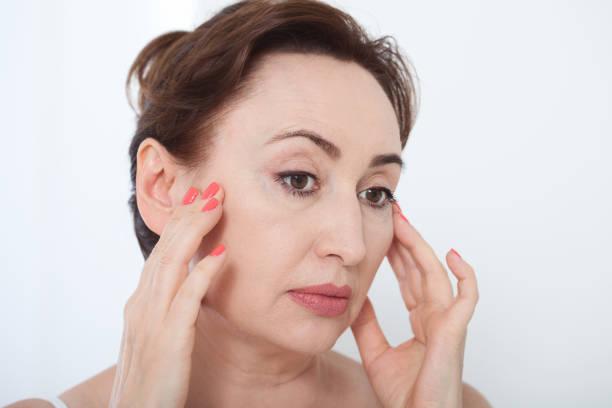
Eye bags can make the face appear tired, puffy, or older, even when you are well rested. They may develop because of aging, genetics, excess skin, prominent fat, fluid retention, or changes in the tissues around the eyes. Understanding Eye Bag Removal in Riyadh can help patients learn about available treatment approaches, what the procedure may involve, and what to expect throughout the recovery process.
What Is Eye Bag Removal?
Eye bag removal refers to treatments designed to improve the appearance of puffiness or bags beneath the eyes. Depending on the underlying cause, treatment may involve addressing excess skin, repositioning or reducing prominent fat, or improving the contour of the lower eyelid area. The appropriate approach depends on individual anatomy and the concerns identified during a professional assessment.
What Causes Under-Eye Bags?
Under-eye bags can develop for several reasons. Natural aging can weaken supporting tissues and affect skin elasticity, while genetics may cause some people to develop prominent under-eye tissue at an earlier age. Fluid retention, allergies, lack of sleep, lifestyle factors, and changes in facial volume may also influence the appearance of the eye area.
Aging and Skin Changes
As the skin becomes less elastic with age, the lower eyelid can develop looseness and wrinkles. Supporting tissues may also change, allowing fat around the eye to become more prominent.
Genetics
Some people naturally have under-eye bags because of their facial anatomy or inherited characteristics. In these cases, the concern may be present even at a younger age.
Lifestyle and Temporary Puffiness
Sleep disruption, allergies, dehydration, and fluid retention can contribute to temporary puffiness. Persistent bags caused by structural changes may require a different approach from temporary swelling.
Who May Consider Eye Bag Removal?
People with persistent under-eye bags, excess lower-eyelid skin, or prominent tissue may consider treatment if these concerns affect their appearance. Suitable candidates generally need realistic expectations and should undergo a professional evaluation before treatment. Patients considering Eye Bag Removal in Riyadh can discuss their concerns and goals during a consultation to determine whether treatment is appropriate.
What Treatment Options Are Available?
The suitable treatment depends on the cause and severity of the under-eye concern. Surgical approaches may address structural changes such as excess skin or prominent fat. Non-surgical options may be considered for selected concerns involving skin quality, mild puffiness, or other changes around the eyes.
Surgical Treatment
Surgical eye bag removal may involve removing or repositioning tissue to improve the lower-eyelid contour. The technique selected depends on factors such as skin laxity, fat distribution, anatomy, and the desired degree of correction.
Non-Surgical Approaches
Certain non-surgical treatments may be used when the main concern involves skin quality or mild changes. These approaches do not replace surgery in every situation, so a professional assessment is important before selecting a treatment.
What Happens During an Eye Bag Removal Procedure?
The exact process depends on the technique selected. During surgical treatment, the provider typically prepares the area and uses an appropriate form of anesthesia before addressing the targeted tissues. Incisions may be placed strategically or, with certain techniques, inside the lower eyelid. The procedure is planned according to the patient's anatomy and treatment goals.
Is Eye Bag Removal Painful?
Anesthesia is used during surgical procedures to reduce or prevent pain. Patients may experience pressure or movement during treatment, while soreness, tightness, swelling, or tenderness can occur during recovery. The level of discomfort varies according to the procedure and individual healing response.
What Is Recovery Like?
Recovery differs between patients and depends on the treatment technique. Swelling and bruising can occur during the early healing period and generally improve gradually. Patients should follow their provider's instructions regarding rest, activity, skincare, makeup, and protection of the treated area.
Early Recovery
During the first stage of healing, swelling, bruising, sensitivity, and tightness may be noticeable. The appearance of the eyes can temporarily change during this period, so it is important not to judge the final outcome too quickly.
Gradual Improvement
As healing progresses, swelling and bruising usually become less noticeable. The lower eyelid tissues continue settling, allowing the final contour to become easier to evaluate.
When Will You See the Final Results?
Some improvement may become noticeable as early swelling decreases, but the final appearance can take several weeks or longer to fully settle. The timeline varies depending on the treatment method, individual healing response, skin characteristics, and extent of correction.
Does Eye Bag Removal Leave Scars?
Surgical procedures involve incisions, but their location depends on the technique. Some approaches use an incision along the lower eyelid area, while others may use an incision inside the eyelid. When an external incision is used, the resulting scar can become less noticeable as it matures, although individual healing varies.
Can Eye Bag Removal Improve Facial Appearance?
Because the eyes are a central facial feature, improving prominent under-eye bags can make the face appear more refreshed and balanced. The treatment is generally focused on the lower eyelid rather than changing the overall facial structure. Results depend on individual anatomy and the cause of the eye bags.
How Can You Maintain Your Results?
Following your provider's aftercare instructions is important during recovery. Once the area has healed, protecting the skin from excessive sun exposure, avoiding unnecessary rubbing, maintaining a healthy lifestyle, and following an appropriate skincare routine can support long-term skin health. Natural aging will continue, so gradual changes around the eyes may occur over time.
Are There Risks or Side Effects?
Temporary swelling, bruising, tenderness, tightness, and sensitivity can occur during recovery. As with any medical procedure, complications are possible and should be discussed during consultation. Severe or worsening pain, sudden significant swelling, persistent bleeding, unusual discharge, fever, or vision changes should be reported promptly to a healthcare professional.
Why Is a Consultation Important?
A consultation allows a qualified professional to examine the eye area and determine what is causing the bags. Your provider can review your medical history, discuss your goals, explain suitable treatment options, and outline expected recovery and results. This personalized assessment helps establish realistic expectations before treatment.
Book a Consultation at Royal Clinic Saudia
If persistent under-eye bags are affecting your appearance and you want to explore your treatment options, a professional consultation can help you make an informed decision. Royal Clinic Saudia can assess your concerns, discuss suitable approaches, and provide personalized guidance about preparation, treatment, recovery, and expected results.
FAQs:
What is the main purpose of eye bag removal?
The main purpose is to improve the appearance of under-eye bags, puffiness, excess skin, or prominent tissue around the lower eyelids. The appropriate treatment depends on the underlying cause.
How long does it take to recover from eye bag removal?
Recovery varies according to the technique and individual healing response. Swelling and bruising may be more noticeable initially before gradually improving, while the tissues can continue settling for several weeks or longer.
Can eye bag removal permanently remove under-eye bags?
Treatment can provide long-lasting improvement, but it does not stop natural aging or prevent future changes in the surrounding tissues. Your provider can explain the expected longevity based on your treatment and anatomy.
Is everyone a suitable candidate for eye bag removal?
Not everyone requires or is suitable for the same treatment. A professional assessment is necessary to determine whether the procedure is appropriate and which approach best matches the individual's concerns and goals.

 English
 French
 Spanish
 Turkish
 Italiano
 Russian