
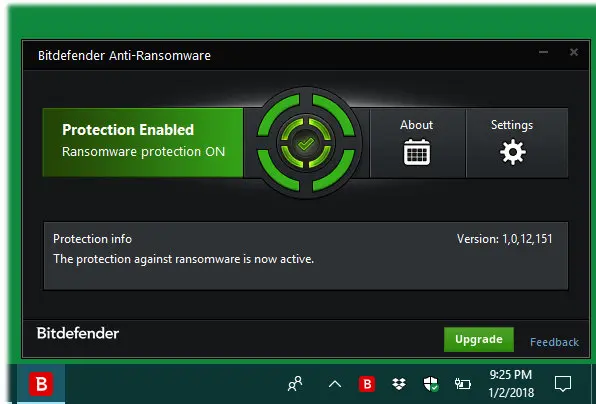
Ransomware is especially worrying for home users because the target is often personal data rather than a large corporate network. Family photographs, tax records, school documents, and work files can become inaccessible if malicious software encrypts them. An affordable security suite cannot guarantee that ransomware will never succeed, but it can provide several layers that reduce the risk and help users recover more safely.
Look for Behavioral Detection
Traditional antivirus signatures can identify known malware, but ransomware changes frequently. Behavioral monitoring looks for suspicious activity such as a process rapidly modifying large numbers of files.
This type of detection can help stop threats that do not match an older known signature exactly.
Protected Folders Can Add Control
Some security products restrict which applications can modify selected folders. This can help protect important documents from unauthorized encryption.
Users looking for the best deal on antivirus protection should check whether ransomware specific folder controls are included in the advertised tier.
Web Protection Matters Before Infection
Ransomware often reaches computers through malicious downloads, compromised websites, fake updates, or phishing links.
Blocking dangerous sites before a file reaches the computer is therefore an important part of ransomware defense.
Email and Phishing Awareness Remain Important
No security product can replace cautious behavior around suspicious attachments and links.
Users should verify unexpected messages, especially when they create urgency around invoices, deliveries, passwords, or account problems.
Automatic Updates Are Essential
Security tools need current threat information. Updates should happen automatically and reliably.
The operating system, browser, and common applications should also remain patched because ransomware operators may exploit known vulnerabilities.
Check Performance Impact
A cheap antivirus for pc is not useful if it makes the machine so slow that users disable important protection.
Independent performance testing can help identify products that balance security and usability.
Backups Are the Recovery Layer
Even strong ransomware protection can fail. Important files should exist in backups that ransomware cannot easily encrypt alongside the original data.
This may involve cloud versioning, external storage disconnected when not in use, or another reliable backup design.
Recovery Features Can Be Helpful
Some suites provide file recovery, rollback, or protected backup capabilities. These features may improve resilience but should be tested and understood.
Do not assume the presence of a “ransomware recovery” label removes the need for separate backups.
Watch for Network Shares
Ransomware running on one computer can sometimes access files available through network shares according to the user’s permissions.
Home users with NAS devices or shared folders should consider whether important backups remain protected from ordinary write access.
Multifactor Authentication Protects Cloud Accounts
Ransomware and account theft can appear together. Strong unique passwords and multifactor authentication protect cloud storage and backup accounts from unauthorized access.
Security should extend beyond the local antivirus product.
Avoid Paying for Irrelevant Extras
An affordable suite may include many tools unrelated to ransomware. Evaluate the features that reduce infection, detect suspicious behavior, and support recovery.
Do not choose a premium plan solely because it contains system cleaners or cosmetic utilities.
Test Alerts
Users should understand what happens when the product detects suspicious behavior. Clear alerts make it easier to respond appropriately.
A confusing product can cause people to approve actions they should block.
Build Ransomware Defense in Layers
The most practical affordable ransomware protection comes from several defenses working together. Antivirus detects malicious behavior, web controls reduce exposure, updates close known weaknesses, and backups provide a way to recover when prevention fails.
Consumers should judge security suites on how well they support those layers without demanding an unnecessarily expensive subscription. A sensible product combined with reliable backups and careful browsing can provide far stronger protection than simply buying the most expensive antivirus package and assuming the problem has been solved.

 English
 French
 Spanish
 Turkish
 Italiano
 Russian