
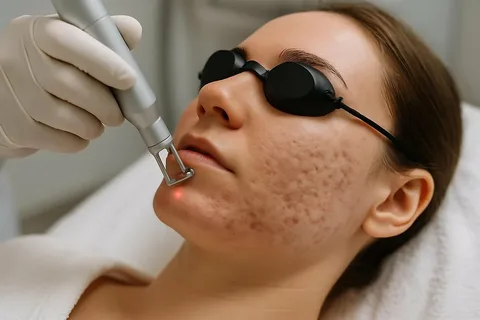
Acne scars can remain long after active acne has disappeared, affecting skin texture, tone, and overall appearance. Modern dermatological treatments offer several approaches for improving these concerns, and laser-based procedures are among the options commonly considered for visible acne scarring. Laser acne scar treatment in Riyadh focuses on using controlled laser energy to encourage skin renewal and improve the appearance of uneven texture.
Understanding how laser treatments work, which scars may respond to them, what the treatment process involves, and how the skin recovers can help people make informed decisions. The suitability of a particular approach depends on factors such as scar type, skin condition, pigmentation, and individual treatment goals.
Understanding Acne Scars and Skin Texture
Acne scars develop when inflammation from acne affects the deeper layers of the skin. The healing process can alter collagen production and leave depressions, raised areas, or changes in pigmentation. Not every mark left after acne is technically a scar. Some are temporary dark or red marks that gradually fade, while structural scars can remain for much longer.
Common atrophic scars include ice-pick, boxcar, and rolling scars. These scars differ in depth and shape, meaning that treatment needs to be selected according to the characteristics of the skin. A professional assessment can help determine whether laser therapy is appropriate or whether another procedure may be more suitable.
How Laser Acne Scar Treatment Works
Laser treatments use concentrated light energy to interact with selected layers of the skin. Depending on the laser technology used, the procedure may remove microscopic areas of damaged skin, heat deeper tissue, or stimulate the body's natural collagen-remodeling process.
As the skin heals, new collagen and elastin may gradually improve the appearance of uneven areas. The goal is generally not to erase every scar completely but to reduce their visibility and create a smoother, more even-looking surface.
What Laser Acne Scar Removal in Riyadh Involves
The process usually begins with a skin evaluation. During this assessment, the practitioner considers the type and severity of acne scars, skin tone, sensitivity, previous treatments, and overall skin condition.
The skin may then be cleansed and prepared before the laser device is applied to the targeted areas. Depending on the technology and treatment intensity, topical numbing may be used to improve comfort.
After treatment, the skin can appear red, warm, swollen, or sensitive. These effects vary according to the type and depth of the procedure. Following the recommended aftercare routine is important because the treated skin needs time to recover.
Types of Acne Scars That May Be Treated
Laser procedures may be considered for certain forms of depressed acne scarring, particularly scars associated with changes in collagen structure. Rolling scars, boxcar scars, and some other textural irregularities may respond differently depending on their depth.
Deep or narrow scars may require a different approach, while raised scars can have different treatment considerations altogether. This is why laser acne scar treatment in Riyadh should be viewed as a personalized procedure rather than a single treatment that works identically for every person.
Factors That Affect Treatment Selection
Several factors can influence which laser approach is appropriate. Skin tone is particularly important because some laser technologies can cause temporary or longer-lasting pigmentation changes in susceptible skin.
The severity and type of scarring also influence treatment planning. Someone with mild textural irregularities may require a different treatment strategy from someone with deeper scars. Active acne, skin inflammation, previous procedures, and the use of certain skincare products can also affect timing and suitability.
Preparing for Laser Treatment
Proper preparation can support a safer treatment experience. A practitioner may recommend avoiding certain irritating skincare ingredients or procedures before treatment. It is also important to discuss any history of unusual scarring, pigmentation changes, skin sensitivity, or previous acne treatments.
Sun exposure can also affect the skin's response to laser procedures. Protecting the skin from ultraviolet exposure before and after treatment is therefore an important part of responsible preparation.
What to Expect After Treatment
Recovery depends largely on the laser technology and intensity used. Mild treatments may involve limited redness and sensitivity, while more intensive procedures can require a longer period of visible healing.
The skin may feel dry or tight during recovery. Some procedures can also cause peeling or temporary changes in texture. These effects generally form part of the skin-renewal process, but patients should follow their individualized aftercare instructions rather than picking, scratching, or aggressively exfoliating treated skin.
Skin Care During Recovery
Gentle skincare is generally important after laser treatment. Cleansing should be performed carefully, and products that cause irritation may need to be avoided temporarily.
Sun protection is particularly important because treated skin can be more vulnerable to ultraviolet exposure. A suitable broad-spectrum sunscreen can help reduce the risk of unwanted pigmentation and protect the skin during the healing period.
Moisturizing may also help support skin comfort when dryness or tightness occurs. The exact products and timing should be based on professional aftercare instructions.
Understanding Treatment Results
Results from laser procedures are not necessarily immediate. Although some improvement may become visible as the skin settles, collagen remodeling can continue over time.
Multiple sessions may sometimes be recommended depending on the depth and number of scars and the selected technology. The expected degree of improvement varies considerably between individuals. Factors such as scar characteristics, skin biology, treatment intensity, and aftercare can all influence the final appearance.
Laser Acne Scar Removal in Riyadh and Individual Skin Needs
The term laser acne scar removal in Riyadh is often used to describe procedures intended to reduce the visibility of acne scars. However, complete removal of established scars is not always realistic. Modern treatments generally aim to make scars less noticeable and improve overall skin texture.
An individualized approach is particularly relevant for people with different scar types across the same area. One region may contain rolling scars, while another may have pigmentation or deeper textural changes. Treatment planning can therefore focus on the specific characteristics of the skin rather than applying one identical technique everywhere.
Possible Benefits of Laser Treatment
Laser treatment may provide several potential advantages for suitable candidates. It can target textural irregularities while encouraging collagen remodeling within the skin.
Depending on the technology, treatment may also improve overall skin smoothness and create a more uniform appearance. Some procedures can address both acne-scar texture and certain pigmentation concerns, although the exact effects depend on the laser used and the individual's skin characteristics.
Potential Side Effects and Considerations
Laser procedures are medical treatments and can involve temporary side effects. Redness, swelling, sensitivity, dryness, and peeling can occur after treatment. Temporary pigmentation changes are also possible, particularly in individuals who are more prone to post-inflammatory pigmentation.
Less common complications can occur, which makes appropriate patient selection and professional treatment important. Anyone considering laser acne scar treatment in Riyadh should discuss potential risks and expected recovery before proceeding.
When to Consider Professional Assessment
A professional evaluation can be useful when acne scars remain noticeable despite a consistent skincare routine. Assessment is also valuable when someone is uncertain whether a mark is an active acne lesion, pigmentation, or a structural scar.
Rather than choosing a procedure based only on photographs or general descriptions, an assessment allows the skin's condition, scar type, and pigmentation characteristics to be considered together. This can help establish realistic expectations for treatment.
Frequently Asked Questions
FAQ 1: What Is Laser Acne Scar Treatment in Riyadh?
Laser acne scar treatment in Riyadh refers to laser-based procedures designed to reduce the appearance of acne scars and improve uneven skin texture. Different laser technologies work in different ways, so treatment selection depends on the individual's skin and scar characteristics.
FAQ 2: Is Laser Acne Scar Removal in Riyadh Suitable for Every Acne Scar?
No. Acne scars vary in depth, shape, and composition. Some respond more readily to laser-based treatments, while others may require alternative or combined approaches. A professional skin assessment is important for determining suitability.
FAQ 3: How Long Does It Take to See Results From Laser Treatment?
Results can develop gradually as the skin heals and collagen remodeling takes place. The timeline depends on the treatment used, the severity of scarring, and individual skin characteristics. Multiple sessions may sometimes be recommended.
FAQ 4: Does Laser Acne Scar Treatment Completely Remove Scars?
Laser treatment generally aims to reduce the visibility of scars rather than guarantee complete removal. The degree of improvement varies from person to person and depends on scar depth, skin type, treatment method, and healing response.
FAQ 5: What Should Be Avoided After Laser Acne Scar Treatment?
Activities and skincare products that irritate or excessively expose treated skin may need to be avoided during recovery. Sun exposure is particularly important to manage. Patients should follow the specific aftercare instructions provided for their procedure.
FAQ 6: Is Laser Acne Scar Removal in Riyadh Safe for Different Skin Types?
Laser treatment can be considered for different skin types, but the choice of technology and treatment settings is important. Certain skin tones may have a higher risk of pigmentation changes, so professional assessment and appropriate treatment planning are essential.
Conclusion
Improving acne-scarred skin involves understanding the difference between pigmentation, temporary acne marks, and structural scars. Laser procedures can support skin renewal and collagen remodeling for appropriately selected patients, while realistic expectations and proper aftercare remain important parts of the process. Anyone exploring laser acne scar treatment in Riyadh or laser acne scar removal in Riyadh can benefit from learning about the available approaches and discussing their individual skin characteristics with a qualified professional. Enfield Royal Clinic Saudi can be considered as a source of information for individuals exploring aesthetic skin treatments and seeking further guidance about acne-scar concerns.

 English
 French
 Spanish
 Turkish
 Italiano
 Russian