
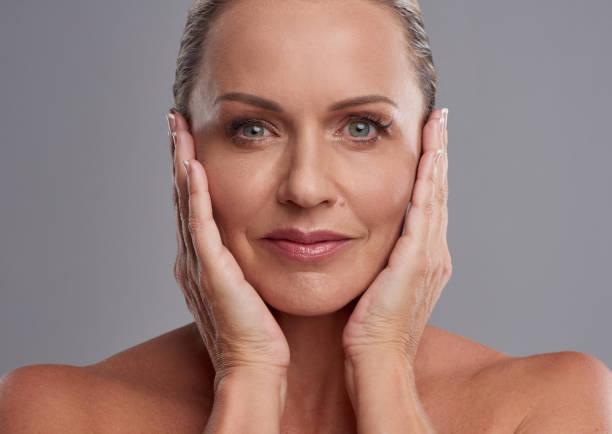
Loose skin can develop as a result of aging, collagen loss, weight changes, sun exposure, or reduced skin elasticity. While fractional CO2 laser is primarily known as a skin-resurfacing treatment, it may also provide a degree of skin tightening by stimulating collagen remodeling beneath the surface. Fractional CO2 Laser Treatment in Riyadh can improve skin texture and encourage firmer-looking skin, making it a potential option for people experiencing mild laxity. Understanding its capabilities and limitations is important when considering laser treatment for loose skin.
Fractional CO2 laser delivers controlled energy into microscopic areas of the skin, creating targeted zones that trigger the body's natural healing response. This process encourages collagen production and remodeling, which can gradually improve firmness and elasticity. Fractional CO2 Laser Treatment in Riyadh may therefore make mildly loose or crepey skin appear smoother and tighter over time. However, results vary according to the degree of laxity, skin condition, treatment settings, and individual healing response.
How Does Fractional CO2 Laser Tighten Skin?
The skin's firmness depends partly on collagen and elastin, which provide structural support and elasticity. As people age, collagen production naturally decreases, and the skin may become thinner and less resilient. Controlled laser treatment can stimulate a wound-healing response that encourages collagen remodeling.
As new collagen develops, the treated skin may gradually become firmer and more refined. This process does not physically remove excess skin but can improve the quality and appearance of skin with mild laxity.
What Type of Loose Skin Can It Address?
Fractional CO2 laser may be more suitable for mild skin laxity, particularly when loose skin is accompanied by fine lines, rough texture, or a crepey appearance. Improving several of these concerns at once can create a smoother and more youthful-looking surface.
More significant sagging or large amounts of excess skin generally require a different type of assessment. Laser resurfacing alone may not provide the degree of tightening that someone with substantial skin laxity expects.
Can It Remove Excess Skin?
Fractional CO2 laser should not be considered a replacement for surgical procedures that remove excess skin. Its primary action is controlled resurfacing and collagen remodeling rather than physically cutting away loose tissue.
For people with substantial excess skin, a qualified provider may discuss other treatment options. The appropriate approach depends on the location and amount of loose skin, overall skin quality, and the individual's goals.
When Will Skin Tightening Become Noticeable?
Skin tightening from fractional CO2 laser is generally gradual. Immediately after treatment, redness, swelling, and sensitivity can temporarily change the appearance of the treated area, so early results should not be considered the final outcome.
As the skin heals and collagen remodeling progresses, improvements in firmness and texture can become more noticeable. The timeline varies from person to person, and continued collagen remodeling may contribute to changes for several weeks or months.
How Many Sessions May Be Needed?
The number of treatments depends on the amount of laxity and the overall condition of the skin. Some patients may notice improvement after one session, while others may require multiple treatments to achieve their desired level of rejuvenation.
A provider can determine an appropriate treatment schedule during consultation. Sessions should be spaced sufficiently apart to allow the skin to recover before another treatment is considered.
What Factors Affect Skin Tightening Results?
Age, skin elasticity, sun exposure, lifestyle, genetics, and the degree of laxity can all influence treatment outcomes. Skin that has experienced extensive loss of elasticity may respond differently from skin with mild looseness.
Aftercare is also important. Protecting the treated skin from excessive sun exposure and following professional skincare instructions can support the healing process and help maintain improvements in skin quality.
Can Fractional CO2 Laser Treat Loose Skin on the Body?
Fractional CO2 laser is commonly associated with facial resurfacing, but laser resurfacing may also be considered for selected areas of the body. Whether it is appropriate depends on the location, skin thickness, degree of laxity, and treatment goals.
A professional evaluation is particularly important for body areas because different regions can respond differently to laser treatment. The provider can determine whether resurfacing is appropriate or whether another approach may be more suitable.
Is Fractional CO2 Laser Suitable for Everyone?
Not every person with loose skin is an appropriate candidate for fractional CO2 laser. A consultation allows the provider to evaluate skin condition, elasticity, medical history, previous procedures, and expectations before treatment.
People with significant skin laxity may need to consider alternatives if laser resurfacing is unlikely to produce sufficient tightening. Setting realistic expectations helps patients understand what the treatment can and cannot achieve.
How Can You Maintain Firmer-Looking Skin?
Fractional CO2 laser does not stop the natural aging process, so maintaining skin quality requires ongoing care. Sun protection, appropriate skincare, and healthy lifestyle habits can help protect collagen and support the skin's overall appearance.
The results of collagen remodeling may remain visible for an extended period, although gradual aging and environmental exposure can continue to affect the skin. Fractional CO2 Laser Treatment in Riyadh can be incorporated into a personalized skin-rejuvenation plan when mild laxity and surface texture concerns are suitable for laser resurfacing.
Book a Fractional CO2 Laser Consultation
If you are concerned about loose, crepey, or less-firm skin, a professional consultation can help determine whether fractional CO2 laser is appropriate for your needs. Royal Clinic Saudia can assess your skin condition, discuss your goals, and explain suitable treatment options based on your individual concerns.

 English
 Spanish
 Deutsch
 Turkish
 Italiano
 Russian