
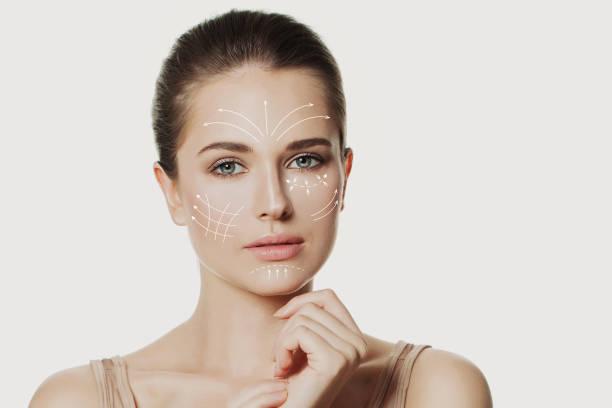
Facial aging involves more than changes to the surface of the skin. Over time, the skin, fat compartments, connective tissues, and underlying muscles can all change, affecting facial contours and creating a more aged appearance. Understanding these layers is an important part of modern facelift planning. For people considering Facelift Surgery in Riyadh (شد الوجه في الرياض), knowing how facial tissues influence the procedure can help create more realistic expectations and support informed treatment decisions.
Understanding the Different Facial Tissues
The face is made up of several interconnected layers, and each can contribute to visible signs of aging. A facelift is therefore not simply about removing excess skin. Modern surgical approaches may consider the deeper tissues responsible for facial support and contour.
Skin
Skin naturally becomes thinner and less elastic with age. Reduced collagen and elastin can contribute to wrinkles, looseness, and reduced firmness. While a facelift can improve excess or sagging skin, it does not completely reverse changes in skin quality.
Fat Compartments
Facial fat provides volume and contributes to youthful facial proportions. Aging can cause some fat compartments to lose volume while others may shift or become more prominent. These changes can affect the cheeks, lower face, and jawline.
Connective Tissue
The superficial musculoaponeurotic system, commonly called the SMAS, is a layer of connective tissue associated with facial muscles and soft-tissue support. Depending on the surgical technique, surgeons may work with this layer to improve facial support and contour.
Why Facial Tissue Quality Matters
The condition of the facial tissues can influence how a facelift is planned and how the results develop. Two people with similar amounts of visible sagging may require different approaches because their skin elasticity, tissue thickness, facial structure, and aging patterns are different.
Skin Elasticity
Good skin elasticity can help tissues adapt after repositioning. When elasticity is reduced, careful treatment planning becomes especially important to avoid creating an overly tight appearance.
Tissue Laxity
Loose underlying tissues can contribute to jowls, folds, and loss of definition. Addressing appropriate supporting layers may provide a more comprehensive improvement than focusing only on excess skin.
How Deeper Tissues Affect Facial Contours
Facial contours depend on the relationship between skin, fat, connective tissue, and underlying structures. When these layers change with age, the face may lose some of its previous definition.
For example, reduced support around the cheeks can contribute to a less lifted appearance, while changes in the lower face may contribute to jowls and a softer jawline. Understanding these patterns allows treatment to be tailored to the individual's anatomy.
The Importance of the SMAS Layer
The SMAS is particularly important in facelift surgery because it forms part of the structural soft-tissue framework of the face. Different facelift techniques may manipulate this layer in different ways depending on the patient's anatomy and desired outcome.
Supporting Facial Structures
Working with deeper supporting tissues can help improve the position of sagging facial structures rather than relying solely on skin removal. The specific surgical technique should be selected by a qualified surgeon after evaluating the patient's individual needs.
Creating Natural-Looking Results
Appropriate tissue management is important for achieving results that look refreshed rather than excessively pulled. A carefully planned facelift aims to restore facial support while preserving natural movement and facial character.
Facial Fat and Volume Changes
Facial rejuvenation also requires consideration of volume. A facelift primarily addresses sagging and tissue descent, but some patients may have age-related volume loss that contributes to an older appearance.
When Volume Matters
Depending on the individual's anatomy and goals, additional approaches may sometimes be considered to improve facial balance. The goal is not simply to make the face tighter but to create harmonious proportions.
How Tissue Characteristics Influence Treatment Planning
Every face ages differently. Some people may have significant skin laxity, while others may have more pronounced changes in deeper tissues or facial volume. These differences make personalized planning essential.
For individuals considering Facelift Surgery in Riyadh, a consultation can evaluate skin elasticity, tissue laxity, facial proportions, and areas of concern before determining which surgical approach may be appropriate.
Facial Tissues and the Healing Process
Facial tissues also play a role during recovery. After surgery, the repositioned tissues need time to heal and settle. Swelling, bruising, tightness, and temporary changes in sensation can occur during the early recovery period.
Following Postoperative Instructions
Protecting the treated areas and following professional aftercare recommendations can support appropriate healing. Patients should avoid judging the final outcome too early because facial tissues can continue settling as recovery progresses.
What Makes a Facelift Successful?
Successful facelift surgery is not defined simply by removing a particular amount of skin. Several factors contribute to the overall outcome, including appropriate patient selection, detailed anatomical assessment, surgical technique, tissue management, realistic expectations, and postoperative care.
A good treatment plan considers how the different facial layers work together rather than treating each visible concern in isolation.
Maintaining the Results Over Time
A facelift can address existing tissue laxity, but it does not stop natural aging. Skin and deeper tissues will continue to change gradually over time.
Patients can support their long-term appearance by protecting their skin from excessive sun exposure, maintaining healthy lifestyle habits, following an appropriate skincare routine, and attending recommended follow-up appointments.
Making an Informed Treatment Decision
Understanding the role of facial tissues can help patients appreciate why facelift surgery is highly individualized. The same technique may not be appropriate for every person, and the amount of skin or tissue that needs to be addressed varies from one face to another.
A professional assessment can help determine which areas are contributing most to facial aging and whether surgical rejuvenation is an appropriate option.
Book an Appointment at Royal Clinic Saudia
If you are exploring Facelift Surgery in Riyadh, a consultation at Royal Clinic Saudia (عيادات رويال كلينك) can help you understand how your facial skin, soft tissues, contours, and individual aging patterns may influence treatment planning. A personalized evaluation can provide clearer expectations about the procedure, recovery, and potential results.
FAQs:
Why are facial tissues important in facelift surgery?
Facial tissues provide support and shape, so understanding their condition helps guide surgical planning and tissue repositioning.
Does a facelift only remove excess skin?
No. Depending on the technique, facelift surgery may also address deeper supporting tissues and reposition soft tissues.
What is the SMAS layer?
The SMAS is a connective tissue layer associated with the facial muscles and soft-tissue support structures.
Can facial tissues affect facelift results?
Yes. Skin elasticity, tissue laxity, facial volume, and individual anatomy can all influence treatment planning and the final appearance.

 English
 French
 Spanish
 Turkish
 Italiano
 Russian