
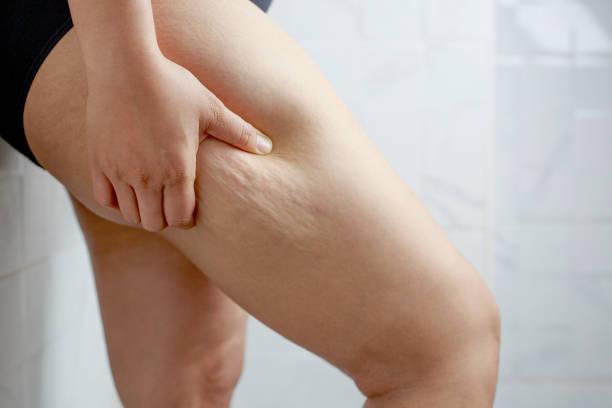
Lipedema is a chronic condition that can cause an unusual pattern of fat distribution, particularly around the legs, hips, thighs, and sometimes the arms. It may also be associated with tenderness, heaviness, swelling, and easy bruising. Because these symptoms can resemble other conditions or ordinary weight gain, understanding the signs and available management approaches can help people make informed decisions about their health.
For individuals concerned about lipedema riyadh, learning how the condition differs from general weight gain is an important first step. A proper assessment can help identify the underlying cause of symptoms and determine which management strategies may be appropriate for an individual's needs, lifestyle, and overall health.
What Is Lipedema?
Lipedema is a long-term disorder involving an abnormal distribution of fatty tissue. It commonly affects both sides of the body in a relatively symmetrical pattern and may create a noticeable difference between the upper and lower body.
Unlike ordinary body fat, lipedema-affected tissue may be painful or sensitive and can bruise more easily. The condition can vary considerably from one person to another, which is why individualized evaluation is important.
How Is Lipedema Different From Typical Weight Gain?
Typical weight gain may affect different parts of the body relatively evenly, while lipedema often produces disproportionate enlargement of the legs or other affected areas. The feet are generally not affected in the same way as the lower legs, which can help distinguish lipedema from certain forms of swelling.
What Are the Common Symptoms of Lipedema?
Recognizing common symptoms can make it easier to determine when professional guidance may be useful.
Disproportionate Fat Distribution
The legs, hips, and thighs may appear noticeably larger compared with the upper body. In some cases, the arms can also be affected while the hands and feet remain relatively unchanged.
Pain and Tenderness
Affected areas may feel tender when touched or pressed. Some people experience aching, sensitivity, or discomfort that becomes more noticeable after prolonged standing or physical activity.
Easy Bruising
People with lipedema may notice that bruises develop easily, sometimes following minor bumps that would not normally cause significant bruising.
Heaviness and Swelling
The legs can feel heavy, tight, or uncomfortable, particularly later in the day. Swelling may become more noticeable after extended periods of sitting or standing.
Why Can Lipedema Be Difficult to Recognize?
Lipedema can be confused with obesity, lymphedema, chronic venous problems, or other conditions affecting the body's fatty tissue. This can sometimes lead to delayed recognition.
The condition may also change over time, with symptoms becoming more noticeable during certain periods of life. Because several conditions can have overlapping symptoms, professional assessment is more reliable than self-diagnosis.
How Is Lipedema Assessed?
A specialist usually begins by reviewing the person's medical history and discussing symptoms. They may ask when changes in body shape began, whether there is pain or bruising, and how symptoms respond to physical activity or lifestyle changes.
Physical Examination
A physical examination can help assess the distribution of fatty tissue, symmetry, tenderness, swelling, and other physical characteristics. The specialist may also consider whether another condition could better explain the symptoms.
Medical History
Information about previous health concerns, changes in weight, symptoms over time, and family history may provide useful context during an assessment.
What Are the Main Ways to Manage Lipedema?
Management generally focuses on controlling symptoms, supporting mobility, and maintaining quality of life. The most appropriate approach depends on the severity of symptoms and individual circumstances.
Compression Therapy
Compression garments may be recommended for some people to support comfort and manage swelling. The appropriate type and level of compression should be selected with professional guidance.
Low-Impact Exercise
Activities such as walking, swimming, cycling, and gentle strength exercises can help maintain mobility and muscle strength. A gradual and sustainable exercise routine may be easier to maintain than intense workouts that increase discomfort.
Nutrition and Healthy Lifestyle Habits
A balanced diet can support overall health and healthy weight management. Nutrient-dense foods, adequate hydration, sufficient protein, fiber-rich foods, and limiting highly processed foods can form part of a sustainable lifestyle.
Physical Therapy
Physical therapy may help improve movement, strength, flexibility, and functional ability. A therapist can also suggest exercises that are adapted to individual limitations.
Manual Lymphatic Drainage
Manual lymphatic drainage may be considered for some individuals, particularly when swelling or fluid-management concerns are present. Its suitability should be determined by a qualified professional.
Can Weight Loss Treat Lipedema?
Weight management can support overall health, but lipedema-affected fat may respond differently to weight loss compared with ordinary body fat. Diet and exercise may reduce overall body weight without eliminating the disproportionate fat distribution associated with the condition.
This is one reason why people should avoid assuming that persistent areas of fat are simply the result of inadequate diet or exercise. A proper assessment can provide a clearer understanding of the situation.
Can Lipedema Progress Over Time?
Lipedema can change over time, although the pattern and rate of progression vary between individuals. Hormonal changes, lifestyle factors, weight changes, and other health considerations may influence symptoms.
Long-term management can help address symptoms and maintain mobility. Regular professional guidance may also be useful when symptoms change or begin affecting daily activities.
When Is Surgery Considered?
Surgery may be considered for selected individuals when symptoms remain significant despite appropriate conservative management. Specialized liposuction techniques designed for lipedema may be used in some cases to remove affected fatty tissue while aiming to protect important structures.
However, surgery is not automatically appropriate for everyone and should be discussed carefully with a qualified specialist. The potential benefits, limitations, recovery requirements, and individual risks should all be considered before making a decision.
How Can Emotional Well-Being Be Supported?
Living with changes in body shape, chronic discomfort, or limitations in daily activities can sometimes affect confidence and emotional well-being. It is important to recognize these challenges rather than focusing only on physical symptoms.
Education, supportive relationships, realistic expectations, and professional guidance can make long-term management easier. If lipedema is significantly affecting emotional health, speaking with an appropriate mental health professional can also be beneficial.
Why Is Professional Guidance Important?
Because lipedema can resemble several other conditions, professional evaluation can help prevent incorrect assumptions and unsuitable treatment choices. A specialist can consider the individual's symptoms and develop a management approach based on their specific needs.
For those seeking information about Lipedema in Riyadh, obtaining an appropriate assessment can be an important step toward understanding symptoms and exploring suitable options for long-term care.
When Should You See a Specialist?
Consider professional assessment if you experience persistent disproportionate fat distribution, unexplained tenderness, frequent bruising, heaviness, or swelling that does not seem consistent with ordinary weight changes.
You should also seek medical advice if symptoms are worsening, affecting mobility, or interfering with everyday activities. Sudden swelling, severe pain, redness, warmth, chest pain, or shortness of breath requires prompt medical evaluation because these symptoms may indicate another medical problem.
Book an Appointment
If you are experiencing symptoms that may be associated with lipedema and want professional guidance, Royal Clinic Saudia can help you explore appropriate assessment and management options based on your individual concerns. A personalized consultation can be a useful step toward better understanding your symptoms and planning suitable care.
FAQs:
Is lipedema the same as obesity?
No. Lipedema involves an abnormal distribution of fatty tissue and may include symptoms such as tenderness and easy bruising that are not typical of ordinary weight gain.
Can exercise help manage lipedema?
Yes. Low-impact activities can support mobility, muscle strength, and overall physical health while helping some people manage symptoms.
Can lipedema be cured?
There is currently no guaranteed cure, but various approaches can help manage symptoms and support quality of life.
When should I see a specialist about lipedema?
Consider an assessment if you have persistent disproportionate fat distribution, tenderness, easy bruising, swelling, or heaviness that concerns you.

 French
 Spanish
 Deutsch
 Turkish
 Italiano
 Russian