
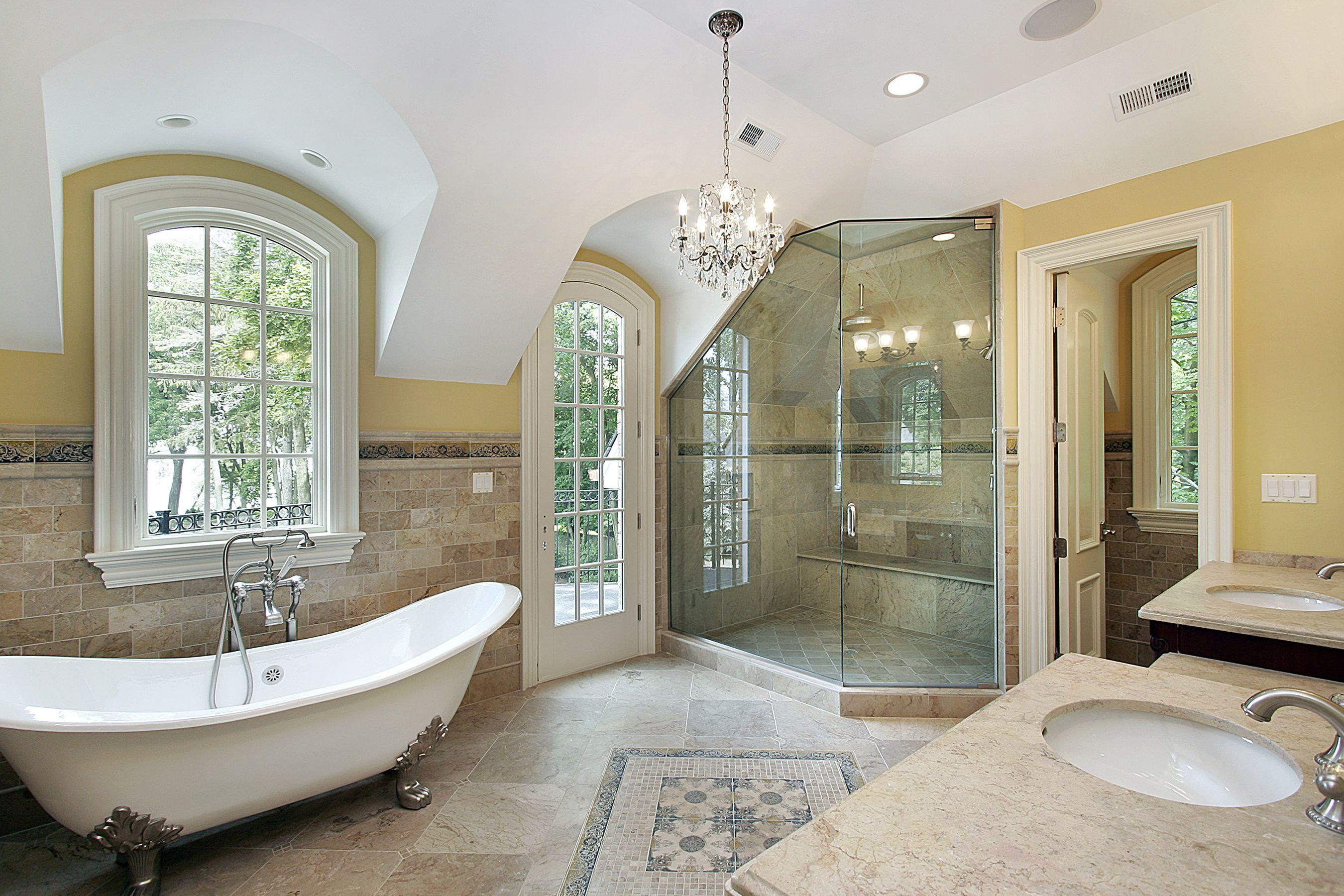
A bathroom renovation can make an older or inefficient space more comfortable, practical, and visually appealing. From replacing outdated fixtures to improving storage and lighting, even carefully planned changes can make daily routines easier. A successful project should focus on both appearance and long-term functionality while considering the home's existing structure and the homeowner's specific needs.
Evaluate the Existing Bathroom
Before construction begins, examine the current bathroom carefully. Consider whether the layout provides enough space, whether fixtures are conveniently positioned, and whether storage meets the household's needs.
Older bathrooms may also have worn flooring, outdated plumbing fixtures, damaged surfaces, or inadequate ventilation. Identifying these concerns early allows homeowners to establish priorities before selecting finishes and decorative features.
Improve the Layout
An efficient layout can make a bathroom feel larger and easier to use. The location of the shower, bathtub, toilet, vanity, and storage should allow people to move comfortably through the room.
Changing the position of plumbing fixtures may increase the complexity of a project, so homeowners should discuss layout changes with an experienced professional before construction begins. Proper planning can help prevent unnecessary modifications later.
Choose Durable Materials
Bathrooms experience frequent moisture, temperature changes, and daily use. Materials should therefore be selected for durability as well as appearance.
Flooring, wall surfaces, countertops, cabinetry, and fixtures should all be appropriate for the environment. Tile, stone, moisture-resistant surfaces, and properly finished cabinetry can provide attractive results while supporting easier maintenance.
Upgrade the Shower Area
The shower is often one of the most frequently used parts of a bathroom. Renovation provides an opportunity to improve its size, accessibility, storage, and overall appearance.
Walk-in showers can create a more open feel, while built-in niches can provide convenient space for toiletries. Modern fixtures may also improve everyday comfort without requiring a completely different bathroom layout.
Improve Lighting
Lighting plays an important role in both appearance and functionality. General lighting can illuminate the entire room, while task lighting around the vanity can make grooming and other activities easier.
Accent lighting may also highlight architectural details or decorative features. During renovation, homeowners should consider fixture placement and electrical requirements before walls and ceilings are completed.
Address Ventilation
Moisture is unavoidable in bathrooms, making proper ventilation particularly important. Excess humidity can contribute to condensation, odors, and deterioration of certain materials.
An appropriately sized exhaust fan can help remove humid air. Ventilation requirements should be considered as part of the overall renovation rather than treated as an optional finishing detail.
Select Professional Assistance
Bath Renovation Services in Chapel Hill NC can help homeowners update outdated bathrooms through improvements involving showers, tubs, vanities, tile, flooring, fixtures, and accessibility features. Local Chapel Hill remodeling providers offer bathroom renovation projects ranging from targeted upgrades to complete remodels.
Before selecting a contractor, homeowners should discuss the project scope, materials, schedule, permits, payment terms, and expected responsibilities. Clear communication can help keep the renovation organized from planning through completion.
Focus on Workmanship
A Best Bath Renovation should combine attractive design with dependable construction. Good workmanship matters particularly in areas involving waterproofing, tile installation, plumbing connections, electrical work, cabinetry, and flooring.
Local bathroom remodeling professionals in Chapel Hill offer services covering full renovations, walk-in showers, tub-to-shower conversions, vanities, tile, flooring, and accessibility improvements.
Homeowners should compare experience, project portfolios, warranties, reviews, licensing or insurance information, and written estimates before choosing a professional.
Plan Waterproofing Carefully
Waterproofing deserves special attention because moisture can damage materials behind finished surfaces when protection is inadequate. Shower walls, floors, corners, joints, and other moisture-exposed areas should be prepared correctly.
A beautiful tile installation cannot compensate for poor waterproofing underneath. Discussing waterproofing methods with the contractor before installation can help homeowners understand how the finished system will protect the underlying structure.
Consider Accessibility
A renovation can also make a bathroom easier to use for people with different mobility needs. Walk-in showers, wider clearances, handheld shower fixtures, grab bars, comfortable-height vanities, and slip-resistant flooring can improve usability.
Accessibility features can be incorporated into modern designs without making the room look institutional. Planning these details early is usually easier than adding them after construction is complete.
Maintain the Finished Bathroom
After renovation, simple maintenance can help preserve the new space. Cleaning surfaces regularly, addressing leaks quickly, keeping ventilation functioning, and following manufacturer recommendations for fixtures and materials can reduce unnecessary wear.
Regular attention can also help homeowners notice loose grout, damaged caulking, plumbing leaks, or ventilation problems before they become larger concerns.
Create a Better Everyday Space
A thoughtfully renovated bathroom should provide lasting value rather than simply looking new immediately after construction. Efficient layouts, durable materials, useful storage, effective lighting, proper ventilation, and quality workmanship all contribute to long-term satisfaction.
By evaluating the existing space carefully and planning each stage before construction begins, homeowners can create a bathroom that is comfortable, practical, attractive, and suited to everyday life in Chapel Hill.

 French
 Spanish
 Deutsch
 Turkish
 Italiano
 Russian