
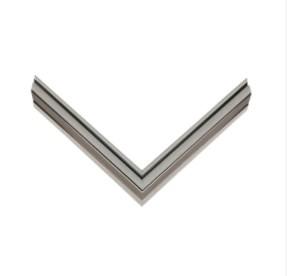
PS Mouldings, or Polystyrene Mouldings, are a popular choice for various applications due to their lightweight, durability, and cost-effectiveness. However, when considering their use in outdoor environments, it is crucial to evaluate their waterproof performance and determine if they are suitable for such applications. This article will delve into the properties of PS Mouldings, their water resistance capabilities, and their suitability for outdoor use.
Polystyrene is a thermoplastic material known for its lightweight, rigidity, and insulating properties. PS Mouldings are formed by injecting or extruding polystyrene resin into moulds, creating a variety of shapes and sizes suitable for numerous applications. One of the primary concerns when using PS Mouldings outdoors is their exposure to moisture and water, which can affect their structural integrity and performance.
Polystyrene is inherently hydrophobic, meaning it repels water and is resistant to water absorption. This property makes PS Mouldings suitable for use in damp or humid environments. However, it is essential to note that PS Mouldings are not entirely waterproof, as they can absorb moisture over an extended period of exposure or when submerged in water.
To enhance the water resistance of PS Mouldings, various treatments and coatings can be applied to the surface. These include:
1. Acrylic coatings: These provide a water-resistant barrier and add durability to the PS Mouldings.
2. Polyurethane coatings: This type of coating offers increased water resistance and resistance to impact and abrasion.
3. Waterproofing agents: Incorporating these additives during the manufacturing process can improve the water-resistance of the PS Mouldings.
While PS Mouldings offer several advantages, their suitability for outdoor use depends on the specific application and environmental conditions. For instance, PS Mouldings can be used for outdoor signage, decorative elements, and temporary structures, where their lightweight and easy-to-shape properties are beneficial. However, for long-term outdoor applications, it is crucial to consider the following factors:
1. Climate: Exposure to extreme temperatures, UV radiation, and weather elements can affect the longevity and performance of PS Mouldings.
2. Water exposure: If the PS Mouldings are exposed to frequent rain or moisture, it is essential to apply appropriate water-resistant coatings or treatments to prevent water absorption and potential damage.
3. Structural integrity: PS Mouldings may not be suitable for load-bearing applications or areas where high-impact resistance is required.
PS Mouldings offer a range of benefits, such as lightweight, durability, and cost-effectiveness, making them suitable for various applications. While they possess some inherent water resistance, their suitability for outdoor use depends on the specific application, environmental conditions, and the implementation of appropriate protective measures. By understanding the properties of PS Mouldings and taking the necessary precautions, they can be effectively utilized in outdoor environments while maintaining their performance and longevity.

 English
 French
 Spanish
 Turkish
 Italiano
 Russian