
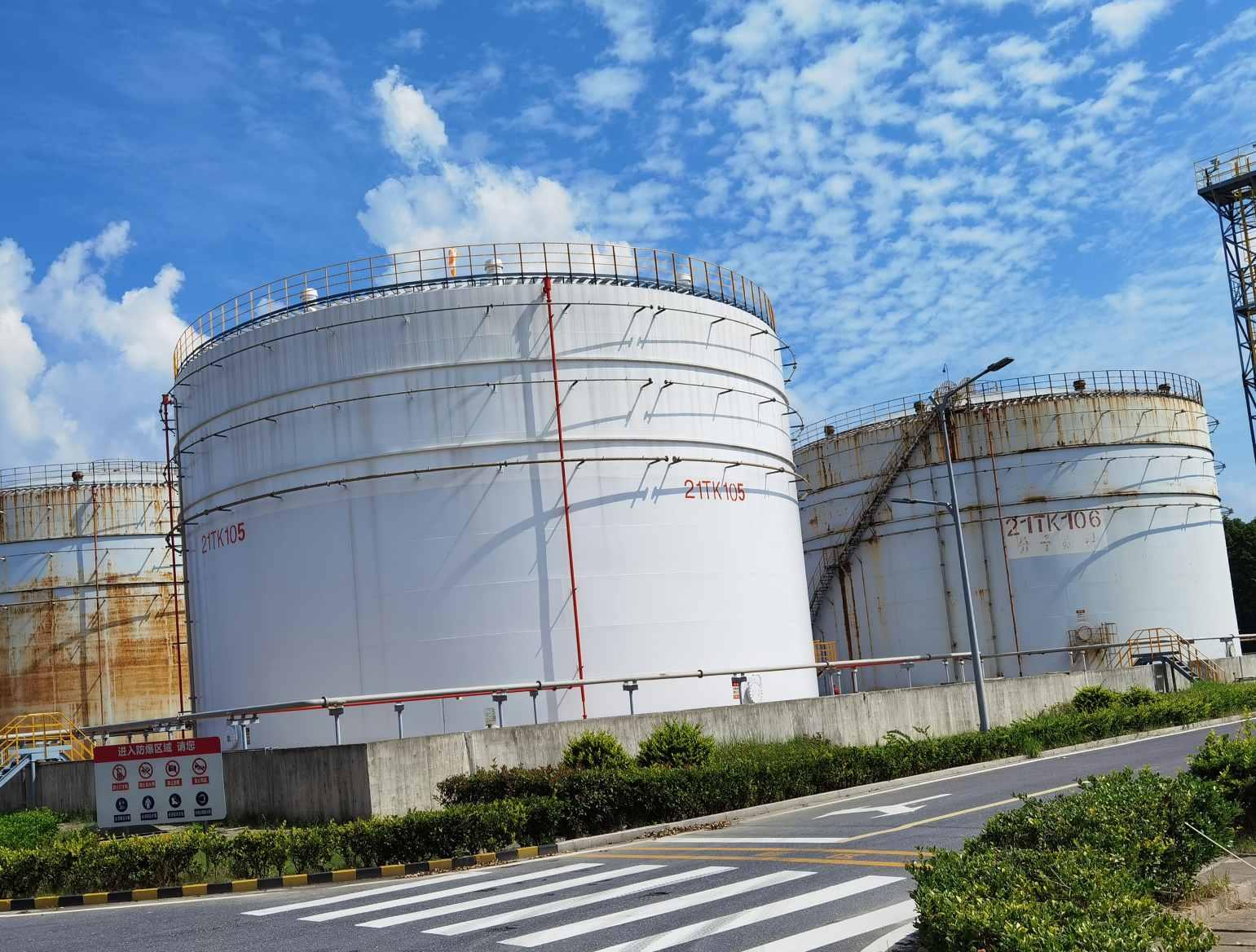
Maintaining the highest standards of infrastructure integrity in large-scale industrial facilities requires a shift toward proactive, technology-driven monitoring. As processes become more complex and environmental regulations more stringent, the ability to visualize invisible emissions is essential for operational success. By utilizing an infrared gas leak detection camera, facility managers can identify volatile compound escape in real-time, effectively transforming potential hazards into manageable maintenance events. This approach ensures that site safety remains high and downtime is minimized, allowing for continuous and efficient production.
The Science of Spectral Absorption
At the core of modern Optical Gas Imaging (OGI) is the physics of spectral absorption. Every industrial gas—whether it be methane, sulfur hexafluoride, or various volatile organic compounds—possesses a unique molecular signature. These gases absorb infrared radiation at specific wavelengths, distinct from the surrounding atmosphere. By employing high-sensitivity infrared detectors equipped with precisely tuned narrow bandpass filters, OGI cameras can isolate these signatures. When a gas plume enters the camera's field of view, it absorbs background infrared energy, creating a high-contrast visual silhouette that allows operators to pinpoint the exact source of a leak without physical interaction.
Enhancing Technician Mobility in Complex Environments
Field maintenance requires tools that can adapt to the constraints of challenging industrial settings. The use of a tool-like thermal camera for leak detection provides technicians with the necessary flexibility to inspect congested manifolds, elevated piping racks, and tight equipment zones where traditional, stationary diagnostic systems cannot reach. These ergonomic, handheld devices allow personnel to integrate comprehensive thermal and gas-sensing sweeps into their daily routines. By increasing the frequency and density of inspections, teams can identify nascent leaks and minor thermal anomalies early, preventing them from escalating into major operational concerns.
AI-Driven Diagnostics for Improved Reliability
The latest generation of thermal sensors is leveraging artificial intelligence to refine the accuracy of industrial audits. AI-powered algorithms now allow handheld and stationary cameras to automatically differentiate between atmospheric "noise"—such as steam clouds, heat shimmer, or humidity fluctuations—and actual chemical plumes. This reduction in false positives significantly improves the reliability of LDAR (Leak Detection and Repair) programs. By providing operators with clear, color-coded visualizations that highlight potential leak boundaries, these intelligent systems ensure that maintenance resources are directed toward genuine risks, thereby increasing the efficiency of the entire facility management process.
Strategic Precision in Mission-Critical Assets
For high-stakes environments such as petrochemical refineries, power plants, and chemical manufacturing centers, the need for diagnostic exactitude is absolute. Investing in an expert thermal imaging camera for leak detection ensures that management teams possess the superior resolution and radiometric sensitivity required to verify system health. These professional-grade instruments provide high-fidelity visual evidence of infrastructure condition, making it simple to generate specific, actionable work orders. This level of technical precision supports a culture of data-driven reliability, where every valve, flange, and connector is monitored with scientific consistency.
Standardizing Field Audits for Maximum Value
To maximize the impact of thermographic and OGI tools, organizations must implement standardized operational protocols. Effective field audits are characterized by:
-
Environmental Optimization: Conducting surveys during stable meteorological conditions to ensure maximum plume visibility and thermal contrast.
-
Emissivity Management: Strictly calibrating the device to the material properties of the target asset—especially for reflective metallic components—to maintain accurate data.
-
Systematic Routing: Establishing a pre-defined path that covers all high-risk infrastructure points on a set schedule, ensuring no section of the facility is overlooked.
-
Integrated Documentation: Linking all thermal images and gas plume visualizations directly to asset management databases to facilitate long-term trend analysis and regulatory compliance reporting.
The Future of Autonomous Industrial Monitoring
Looking toward the remainder of 2026 and beyond, the industrial maintenance sector is increasingly adopting autonomous surveillance solutions. The deployment of thermal imaging payloads on aerial drones and robotic ground crawlers allows for the 24/7 monitoring of expansive sites, removing the human variable from routine sweeps. These autonomous platforms feed real-time data into central control rooms, enabling facilities to detect and respond to leaks within seconds of their occurrence. This transition toward continuous, automated surveillance represents the next phase of predictive maintenance, where system integrity is maintained by intelligent systems that never need to take a break.
Conclusion
The adoption of high-performance infrared and optical gas imaging solutions is a critical foundation for any industrial program focused on safety, efficiency, and compliance. By providing clear, actionable insights into environments that were once invisible to the naked eye, these technologies empower organizations to move beyond reactive repairs and toward a future of predictive reliability. Through the combination of portable, ergonomic diagnostic hardware, strategic inspection protocols, and evolving autonomous integration, industrial facilities can achieve unprecedented levels of operational control and situational awareness.
FAQs
What is the primary operational advantage of OGI over legacy gas sniffing probes? Optical gas imaging allows for the simultaneous visualization of entire gas plumes from a safe standoff distance, whereas legacy sniffers require physical contact with a leak point and offer only a localized data point.
Can current uncooled infrared detectors accurately identify VOCs and hydrocarbons? Yes, recent technical advancements have resulted in highly sensitive uncooled infrared detectors that utilize specialized spectral filtering to identify a broad array of industrial hydrocarbons without the need for complex, heavy cooling systems.
How does ambient wind impact the efficacy of a gas leak survey? High wind speeds can rapidly dissipate the localized thermal gradients and gas concentrations, which may mask small leaks; thus, modern high-sensitivity cameras are often used in high-sensitivity modes or during calmer windows to ensure accuracy.
Does industrial thermography require a process shutdown? One of the most valuable aspects of these diagnostic technologies is that they are entirely passive and non-contact, allowing technicians to audit equipment while it remains at full load and normal operating temperatures without production impact.
How do AI algorithms improve the utility of modern thermal leak cameras? AI-driven analysis automatically filters out environmental noise like heat shimmer or steam, ensuring that technicians can clearly distinguish between benign atmospheric conditions and actual gas emissions.
What is the role of multi-spectral image fusion in industrial maintenance reports? Multi-spectral image fusion overlays high-definition visible-light data onto the thermal heat map, providing the essential context required to pinpoint the exact valve, flange, or fitting identified for maintenance.

 French
 Spanish
 Deutsch
 Turkish
 Italiano
 Russian