
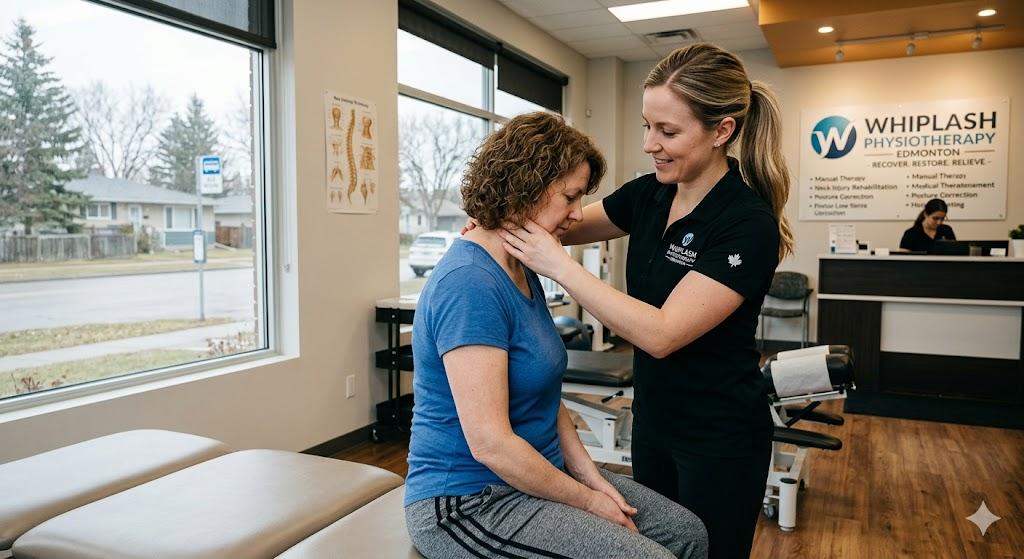
A car accident can affect the body in many ways, even when injuries are not immediately obvious. One of the most common conditions people experience after a collision is whiplash. Neck pain, stiffness, headaches, and reduced mobility may appear hours or even days after the accident, making everyday activities uncomfortable and stressful.
Many people try to ignore these symptoms or assume they will improve on their own. However, untreated whiplash can continue affecting movement, posture, sleep, work performance, and overall quality of life. Seeking professional care early may help support a safer and more comfortable recovery process.
That is why many individuals turn to Whiplash Physiotherapy Edmonton services after a motor vehicle accident. Physiotherapy focuses on restoring movement, reducing discomfort, and helping patients gradually return to normal daily activities through personalized rehabilitation programs.
What Is Whiplash?
Whiplash is a neck injury caused by a sudden back-and-forth movement of the head, commonly occurring during rear-end car accidents. This rapid motion can strain muscles, ligaments, joints, and soft tissues in the neck and upper back.
Although whiplash is often associated with neck pain, symptoms can affect other parts of the body as well. Some people experience immediate discomfort, while others notice symptoms developing gradually over several days.
Common Symptoms of Whiplash
Whiplash symptoms can vary depending on the severity of the injury and the individual’s physical condition.
Some common symptoms include:
- Neck pain and stiffness
- Headaches
- Shoulder tension
- Reduced neck movement
- Dizziness
- Upper back discomfort
- Fatigue
- Muscle tightness
- Difficulty concentrating
Even mild symptoms should not be ignored, especially if they interfere with daily routines, work, or sleep.
Why Early Physiotherapy Matters
After a car accident, many people focus only on visible injuries and delay treatment for neck pain or stiffness. However, early physiotherapy can help improve mobility and prevent muscles and joints from becoming increasingly restricted over time.
Physiotherapists assess movement patterns, posture, muscle tension, and joint function to create a treatment plan tailored to the patient’s needs. Addressing symptoms early may also help individuals feel more confident returning to work, driving, and physical activity.
How Whiplash Physiotherapy Helps Recovery
Professional physiotherapy provides a structured approach to rehabilitation after a car accident. Treatment is adjusted based on the patient’s symptoms, comfort level, and stage of healing.
Personalized Assessment
The first step in treatment involves a detailed physical assessment. Physiotherapists evaluate neck mobility, posture, muscle tightness, strength, and pain patterns to better understand how the injury is affecting movement.
This assessment helps guide a personalized recovery plan designed specifically for the patient.
Gentle Movement and Mobility Exercises
Whiplash can cause stiffness and limited movement in the neck and upper back. Gentle stretching and mobility exercises help improve flexibility and restore natural movement gradually.
Exercises are introduced carefully to avoid excessive strain while encouraging steady progress.
Manual Therapy Techniques
Physiotherapists may use hands-on techniques to reduce muscle tension and improve joint mobility. These approaches can help improve comfort and support healthier movement patterns during recovery.
Posture Correction and Strengthening
Poor posture often develops after whiplash because people naturally try to avoid painful movements. Physiotherapy helps strengthen supportive muscles and improve posture to reduce unnecessary strain on the neck and shoulders.
Education and Recovery Guidance
Understanding how to manage daily activities after a car accident is an important part of recovery. Physiotherapists provide guidance on posture, movement habits, workstation setup, and safe activity progression to support healing.
The Emotional Impact of Whiplash
Whiplash injuries can affect more than just physical movement. Persistent discomfort may also influence sleep quality, stress levels, concentration, and emotional well-being.
Some individuals become hesitant to drive again or avoid physical activities because of discomfort and stiffness. Physiotherapy helps patients rebuild confidence gradually by improving movement and supporting functional recovery.
Returning to Daily Activities Safely
One of the main goals of physiotherapy is helping patients return safely to their regular routines. Whether someone needs to return to work, care for their family, participate in sports, or simply drive comfortably again, rehabilitation focuses on supporting those goals progressively.
Recovery timelines vary from person to person, which is why individualized treatment plans are important. Consistent physiotherapy sessions combined with guided home exercises may support long-term improvement.
When Should You Seek Physiotherapy After a Car Accident?
It is a good idea to seek professional assessment if neck pain, headaches, stiffness, or dizziness continue after a collision. Even low-speed accidents can place stress on the muscles and joints of the neck.
Early support may help prevent symptoms from becoming more persistent and improve overall comfort during recovery.
Why Edmonton Residents Choose Physiotherapy for Whiplash Recovery
Physiotherapy offers a patient-focused approach to recovery that addresses both movement limitations and physical discomfort after an accident. Many Edmonton residents choose physiotherapy because treatment plans are personalized and adapted according to recovery progress.
At Vertex Physiotherapy Clinic, patients receive individualized care designed to support mobility, comfort, and gradual recovery after whiplash injuries. Treatment focuses on helping individuals regain movement confidence and return to everyday activities safely.
Conclusion
Neck pain after a car accident should never be ignored, especially when symptoms continue affecting daily activities and overall comfort. Whiplash can influence posture, movement, concentration, and physical confidence long after the initial collision.
Professional Whiplash Physiotherapy Edmonton services can provide structured rehabilitation through personalized treatment plans focused on restoring mobility, reducing tension, and improving physical function. Early physiotherapy support may help individuals recover more comfortably and return to normal routines with greater confidence.
If you are experiencing neck stiffness, headaches, or movement difficulties after a motor vehicle accident, seeking physiotherapy support may be an important step toward recovery.
FAQ Schema
FAQ 1: How long does whiplash recovery usually take?
Recovery time varies depending on the individual and the severity of the injury. Some people improve within a few weeks, while others may require longer rehabilitation support to restore mobility and comfort.
FAQ 2: What treatments are included in whiplash physiotherapy?
Whiplash physiotherapy may include mobility exercises, stretching, posture correction, strengthening exercises, manual therapy, and education on safe movement and daily activity management.
Contact Details
Vertex Physiotherapy Clinic
6958 76 Ave NW #205, Edmonton, AB T6B 2R2, Canada
Phone: (825) 525-2852
Email: southclinic@vertexphysio.ca
Website: https://vertexphysio.ca/
Clinic Hours
Mon – Fri: 8:00 AM – 8:00 PM
Saturday: 10:00 AM – 3:00 PM (By Appointment)
Sunday: Closed
Stat Holidays Closed
#WhiplashPhysiotherapyEdmonton #WhiplashRecovery #CarAccidentRecovery #EdmontonPhysiotherapy #NeckPainRelief #MotorVehicleAccident #PhysiotherapyCare #InjuryRehabilitation #EdmontonHealth #VertexPhysiotherapy

 French
 Spanish
 Deutsch
 Turkish
 Italiano
 Russian