
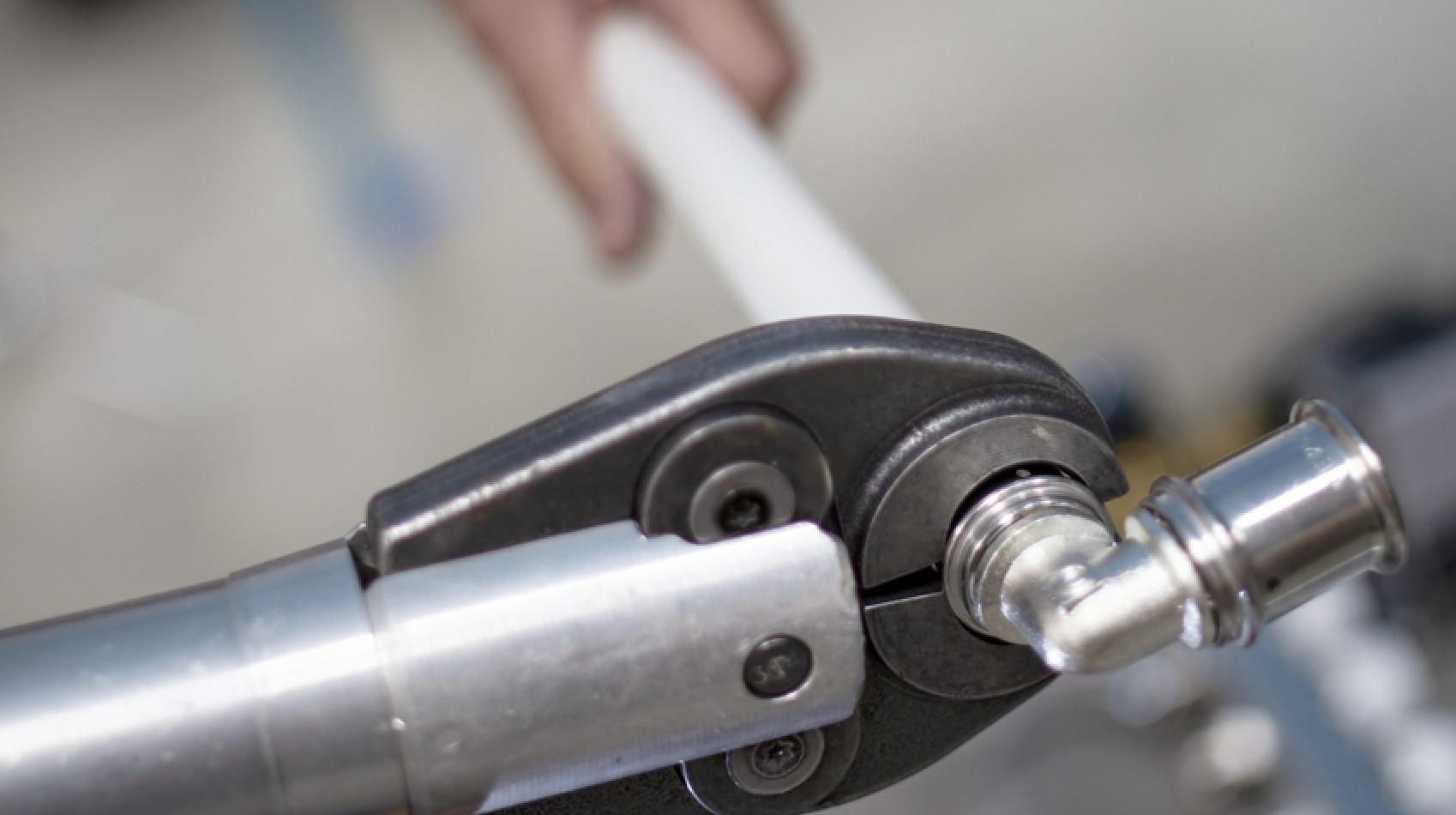
Modern manufacturing thrives on precision, efficiency, and reliability. As industries push for tighter tolerances and stronger assemblies, traditional fastening methods are no longer enough on their own. This is where the press fit tool has become a cornerstone of advanced mechanical and industrial processes, offering a clean, strong, and highly accurate method of joining components.
Understanding the Press Fit Concept
Press fitting is a technique where two components are joined by forcing one part into another with a slightly smaller tolerance. Instead of relying on screws, adhesives, or welding, the connection is achieved through friction and mechanical interference. A press fit tool is specifically designed to apply controlled force, ensuring that parts are assembled securely without damage.
This method is widely used in automotive manufacturing, electronics, aerospace, medical devices, and heavy machinery—anywhere precision and durability are critical.
What Is a Press Fit Tool?
A press fit tool is a mechanical or hydraulic device used to insert components together with exact pressure and alignment. These tools are engineered to apply consistent force, preventing misalignment, deformation, or material fatigue during assembly.
Press fit tools come in various forms, from manual arbor presses to fully automated hydraulic and servo-controlled systems. Each type serves a specific purpose depending on the scale, material, and precision required for the job.
Why Press Fit Tools Matter in Modern Manufacturing
The growing popularity of press fit tools is not accidental. They offer several advantages that align perfectly with modern production demands:
-
High precision: Ensures accurate alignment and uniform pressure
-
Strong connections: Creates durable joints without additional fasteners
-
Clean assembly: No adhesives, heat, or chemical bonding required
-
Cost efficiency: Reduces the need for extra components and post-processing
-
Repeatability: Ideal for mass production with consistent results
These benefits make press fitting a preferred solution for manufacturers seeking both performance and efficiency.
Types of Press Fit Tools
Different applications require different tools. Understanding the options helps manufacturers select the right solution.
Manual Press Fit Tools
These are simple, hand-operated tools suitable for small-scale applications or workshops. While they require more physical effort, they offer excellent control for delicate assemblies.
Pneumatic Press Fit Tools
Powered by compressed air, pneumatic tools provide faster operation and consistent force. They are commonly used in medium-volume production environments.
Hydraulic Press Fit Tools
Hydraulic systems deliver high force with exceptional control, making them ideal for heavy-duty applications. They are widely used in automotive and industrial manufacturing.
Servo Press Fit Tools
The most advanced option, servo presses use electric motors and sensors to control force, position, and speed with extreme accuracy. These tools also collect data, making them valuable for quality assurance and smart manufacturing.
Key Applications Across Industries
The versatility of the press fit tool allows it to be used across many sectors:
-
Automotive: Installing bearings, bushings, gears, and shafts
-
Electronics: Assembling connectors and delicate components without heat
-
Medical devices: Ensuring contamination-free and precise assembly
-
Aerospace: Creating secure joints with minimal weight impact
-
Industrial machinery: Building long-lasting mechanical systems
In each case, press fitting improves structural integrity while reducing assembly complexity.
Precision Meets Quality Control
One of the most powerful aspects of modern press fit tools is their ability to integrate with quality control systems. Advanced tools can monitor force curves, displacement, and alignment in real time. This data ensures that every press operation meets strict specifications.
If a component does not fit correctly, the system can immediately flag the issue, preventing defective products from moving further down the production line. This level of control significantly reduces waste and enhances overall product reliability.
Common Mistakes to Avoid
While press fitting is highly effective, improper use can lead to problems. Common issues include:
-
Applying excessive force, which can damage parts
-
Poor alignment, resulting in uneven stress
-
Incorrect material pairing
-
Ignoring tolerance calculations
Using the right press fit tool and following proper engineering guidelines helps avoid these mistakes and ensures consistent results.
The Future of Press Fit Technology
As manufacturing moves toward automation and Industry 4.0, press fit tools are evolving rapidly. Smart presses equipped with sensors, AI-driven analytics, and cloud connectivity are becoming standard in high-end facilities.
These innovations allow manufacturers to optimize processes, predict maintenance needs, and maintain detailed records for compliance and traceability. The press fit tool is no longer just a mechanical device—it is becoming an intelligent part of the production ecosystem.
Final Thoughts
In a world where precision defines success, the press tool stands out as a reliable and forward-thinking solution. By delivering strong, clean, and repeatable assemblies, it supports modern manufacturing’s demand for quality and efficiency.
Whether used in a small workshop or a fully automated factory, press fit technology proves that sometimes the strongest connections are made without a single screw.
For MOre Blogs: Click Here

 English
 French
 Spanish
 Deutsch
 Turkish
 Russian