
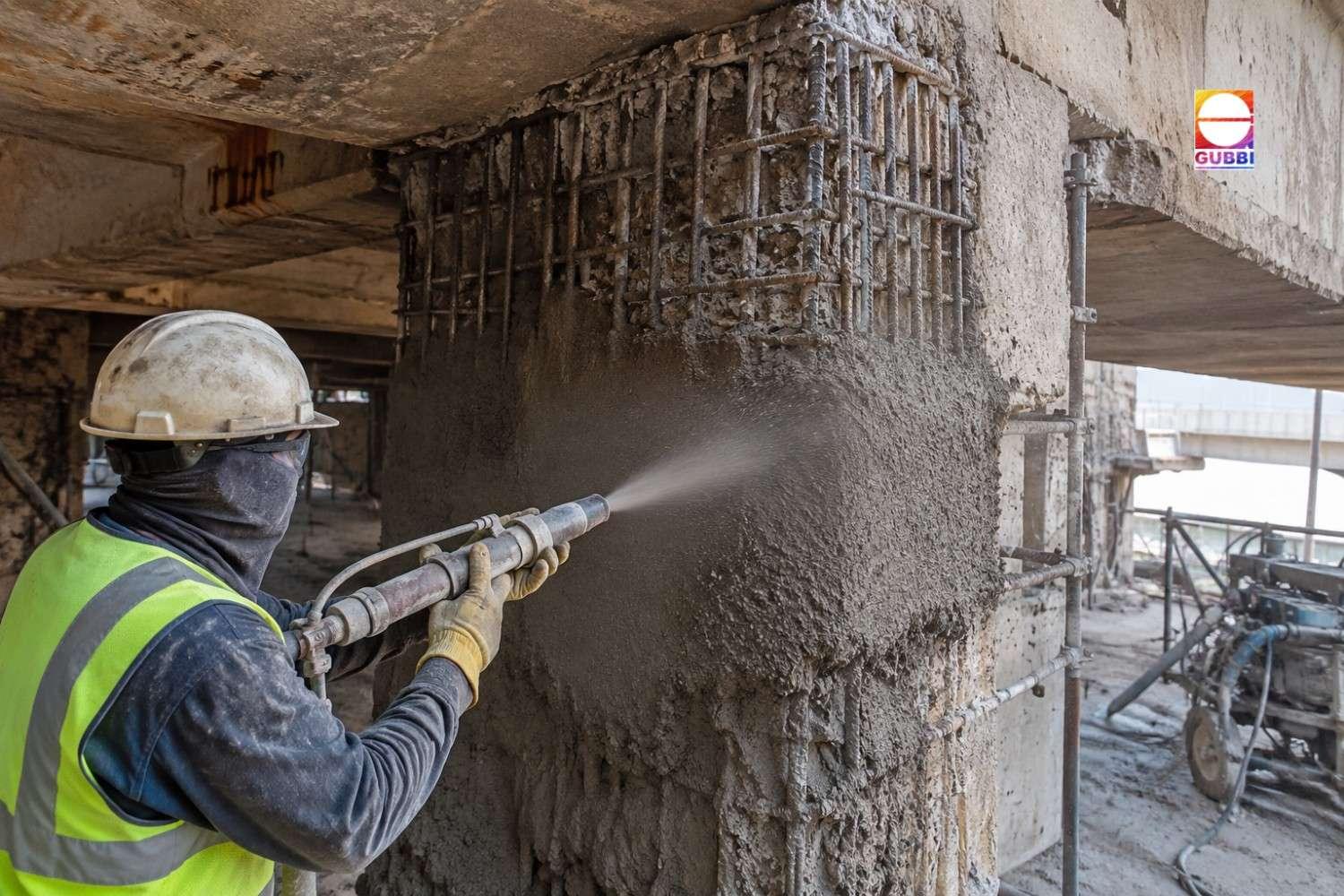
Shotcreting is an important concrete application technique used in construction, structural repair, and infrastructure rehabilitation. It involves spraying concrete or mortar onto a prepared surface at high velocity through specialised equipment. This method helps create a strong concrete layer on walls, columns, ceilings, tunnels, and other structural elements. Today, shotcreting services are widely used for repairing damaged concrete, strengthening existing structures, stabilising slopes, and protecting infrastructure exposed to demanding operating conditions.
Unlike conventional concrete placement, shotcreting can be applied to vertical and overhead surfaces without requiring extensive formwork. This makes it useful for projects where access is limited or traditional concreting methods are difficult to execute. The quality of the finished surface depends on proper surface preparation, material selection, equipment settings, and application techniques. Understanding these factors helps project owners and engineers determine whether shotcrete is suitable for their construction or repair requirements.
What Is Shotcreting and How Does It Work?
Shotcreting is a process in which a cement-based mixture is pneumatically projected onto a surface through a delivery nozzle. The impact of the sprayed material helps compact it against the substrate, creating a dense layer when the application is properly controlled. Depending on the project specifications, the mixture may contain cement, aggregates, water, and suitable admixtures to achieve the required strength, workability, and application performance.
The process generally begins with inspecting the existing structure and identifying damaged, loose, or unsuitable material. The surface is then cleaned and prepared to support proper bonding. Reinforcement may be installed when required by the structural design. The shotcrete mixture is applied in controlled layers, followed by finishing and curing. For structural repair work, engineers should determine the appropriate thickness, reinforcement arrangement, and material properties based on the condition of the structure and the intended performance.
Types of Shotcreting Methods Used in Construction
Two primary methods are used for shotcrete application: the dry-mix process and the wet-mix process. Each method has different material handling requirements, equipment arrangements, and operating characteristics. The selection depends on project size, site accessibility, application thickness, required output, and the technical specifications established by the project team. Understanding these differences helps contractors plan the work efficiently and select a suitable application method.
Dry-Mix Shotcreting Method
In dry-mix shotcreting, cement and aggregates are conveyed through a hose using compressed air, while water is introduced at the nozzle during application. The operator controls the water addition while directing the material onto the prepared surface. This method can be useful for repair work involving restricted access, smaller application areas, and situations where the equipment needs to be moved frequently. However, consistent water control and skilled nozzle operation are essential for achieving the specified concrete quality.
Wet-Mix Shotcreting Method
In wet-mix shotcreting, cement, aggregates, water, and other specified ingredients are mixed before being pumped through the delivery system. Compressed air at the nozzle helps project the mixture onto the surface. This approach can support higher production rates and consistent material proportions on larger projects. Wet-mix application is often considered for tunnels, industrial structures, retaining walls, and extensive concrete rehabilitation, provided the selected equipment and mixture are appropriate for the site conditions.
Common Applications of Shotcreting Services
Shotcreting for Structural Repair and Rehabilitation
Shotcreting services are widely used to restore damaged concrete in industrial buildings, commercial facilities, bridges, and other infrastructure assets. The method can help replace deteriorated concrete sections and rebuild protective layers over prepared surfaces. Before application, engineers must assess cracks, reinforcement corrosion, concrete deterioration, and the underlying causes of damage. A suitable repair strategy should address these problems rather than simply covering visible defects with a new concrete layer.
Shotcreting for Industrial Buildings and Factories
Industrial facilities often experience concrete deterioration because of continuous operations, vibration, moisture exposure, chemical environments, and mechanical wear. Shotcrete can be used to repair selected walls, columns, foundations, and other concrete components when the existing condition and engineering assessment support its application. Industrial shotcreting contractors must understand operational restrictions, equipment access, curing requirements, and safety procedures. Proper planning helps coordinate repair activities with plant operations and reduces unnecessary disruption during project execution.
Shotcreting for Tunnels and Underground Structures
Tunnel construction and rehabilitation frequently involve curved surfaces, restricted working spaces, and overhead applications where conventional formwork can be difficult to install. Shotcrete is used to provide concrete support layers and, in suitable designs, contribute to ground stabilisation systems. The application method and mixture must be selected according to geological conditions, water exposure, design requirements, and construction sequencing. Specialist contractors also need to manage rebound material, ventilation, equipment positioning, and inspection throughout the operation.
Shotcreting for Retaining Walls and Slope Stabilisation
Retaining walls and exposed slopes may require concrete protection or stabilisation measures to address erosion, surface deterioration, and other site-specific concerns. Shotcrete can be applied over appropriately prepared surfaces and may be combined with designed reinforcement, drainage arrangements, or soil and rock anchoring systems. However, spraying concrete alone does not resolve every slope stability problem. A geotechnical assessment is necessary where ground movement, unstable rock, or significant earth pressure could affect long-term performance.
Shotcreting for Bridges and Infrastructure
Bridges, flyovers, culverts, and other infrastructure structures require regular inspection because they are exposed to weather, traffic loading, water penetration, and environmental deterioration. Shotcrete may be suitable for repairing selected concrete surfaces when engineers confirm that the existing substrate can support the proposed repair. Contractors must consider reinforcement corrosion, concrete cover, bonding, and curing. The repair design should also account for traffic management, access arrangements, and the long-term service requirements of the infrastructure asset.
Key Benefits of Shotcrete Application
One major advantage of shotcreting is its ability to cover complex surfaces without extensive formwork. This can be valuable when repairing vertical walls, curved structures, ceilings, and restricted areas. The method also supports controlled application thicknesses and can accommodate reinforcement where the design requires it. When materials, equipment, and workmanship are properly managed, shotcrete can provide a suitable solution for concrete repair, rehabilitation, and selected new construction applications.
Another important benefit is the potential to reduce preparation time associated with conventional shuttering and concrete placement. Projects involving difficult access may become easier to execute because the mixture can be projected directly onto prepared surfaces. Nevertheless, the actual time and cost savings depend on site conditions, equipment mobilisation, repair quantities, and the complexity of the work. A proper comparison should consider the complete repair process rather than assuming shotcreting is always faster or less expensive.
Shotcreting vs Traditional Concrete Application
Traditional concrete placement commonly involves pouring or placing a prepared mixture into formwork, followed by compaction and finishing. Shotcreting instead projects the mixture onto the receiving surface at high velocity. This difference can make shotcrete more practical for overhead repairs, curved surfaces, and selected rehabilitation projects. Traditional concrete may remain preferable for large formed sections, substantial structural elements, and applications where placing and compacting conventional concrete is more suitable.
The choice between these methods should depend on engineering requirements rather than convenience alone. Factors such as required thickness, reinforcement congestion, substrate condition, access, expected loading, and concrete specifications influence the decision. Shotcrete also requires careful control of nozzle operation and rebound, while conventional concrete requires appropriate formwork, placement, and compaction. Consulting qualified concrete repair contractors helps determine which technique provides the most appropriate balance of performance, safety, construction time, and overall project cost.
Factors Affecting Shotcreting Cost
Shotcreting cost per square foot is a common consideration when planning industrial repairs, retaining wall work, and infrastructure rehabilitation. However, there is no single price that applies to every project. The final quotation depends on the quantity of concrete required, application thickness, surface condition, material specifications, reinforcement requirements, site accessibility, and equipment mobilisation. Projects involving overhead spraying or restricted working areas may require additional labour, access systems, and safety arrangements.
Surface preparation and repair activities can also influence the overall budget. Removing deteriorated concrete, cleaning exposed reinforcement, treating corrosion, installing reinforcement, and managing water ingress may add to the work scope. Curing, testing, finishing, and debris disposal should also be considered when comparing quotations. For accurate budgeting, clients should request a site assessment and a clearly defined scope that identifies the proposed method, material requirements, measurement basis, and relevant quality checks.
How to Choose the Right Shotcrete Contractors
Selecting suitable shotcrete contractors involves evaluating their technical capabilities, experience with comparable projects, equipment, and quality control procedures. Contractors should understand the difference between cosmetic surface treatment and structural concrete repair. They should also be able to explain how they will prepare the substrate, control application thickness, handle reinforcement, and verify the finished work. These details are particularly important for industrial facilities and infrastructure where repair quality can influence serviceability and maintenance requirements.
Before finalising a contractor, review previous project experience, site safety practices, material specifications, and the proposed execution schedule. Ask whether the team can accommodate operational restrictions and provide appropriate inspection records. A detailed quotation should explain inclusions and exclusions instead of offering only a low overall price. For industrial and commercial projects, consider precision-layer concrete rehabilitation as a useful evaluation principle: the application method, substrate preparation, and quality checks should match the actual engineering requirements.
Why Proper Surface Preparation Matters
Surface preparation is one of the most important stages of a successful shotcrete application. Dust, oil, loose concrete, deteriorated coatings, and other contaminants can interfere with bonding between the existing substrate and the newly applied material. Depending on the repair specification, preparation may involve mechanical removal, cleaning, exposing sound concrete, and treating reinforcement. The prepared surface should be inspected before spraying begins to confirm that it meets the project's technical requirements.
Poor preparation can lead to weak bonding, local separation, premature deterioration, and repeated maintenance. Applying additional concrete over an unsuitable substrate does not correct the underlying problem. Contractors should therefore establish inspection checkpoints before application and document any defects requiring further treatment. Where water leakage or continuing corrosion is present, the responsible engineers should identify appropriate corrective measures before proceeding. These precautions help improve repair reliability and reduce the likelihood of avoidable remedial work.
Quality Control During Shotcrete Application
Quality control should cover the materials, equipment, surface condition, application process, and finished concrete. Contractors need to follow the specified mixture proportions and ensure that equipment operates within suitable parameters. Nozzle distance, angle, movement, and application sequence can influence compaction, rebound, and surface quality. The work should be performed by trained personnel who understand the selected process and can maintain consistent application practices throughout the project.
Inspection requirements depend on the project specification and structural design. They may include checks on thickness, surface coverage, concrete strength, bonding, and the condition of the completed repair. Where specified, test panels or cores can help assess material quality and application performance. Any identified defects should be evaluated and corrected using an approved procedure. Documenting inspection results provides project owners with useful evidence that the work has been completed according to the agreed requirements.
Common Problems in Shotcreting and How to Avoid Them
Poorly controlled shotcrete application can result in rebound, uneven thickness, inadequate compaction, voids behind reinforcement, or weak bonding with the existing concrete. These problems may arise from unsuitable mixture proportions, incorrect nozzle technique, insufficient surface preparation, or inexperienced operators. Preventing them requires trained personnel, appropriate equipment settings, and continuous monitoring. The team should also account for reinforcement spacing and access so that the material can properly reach the intended repair area.
Curing is another important consideration because newly applied concrete needs suitable moisture and temperature conditions to develop its intended properties. Neglecting curing can contribute to surface cracking and reduced performance. Similarly, spraying onto contaminated or inadequately prepared surfaces can compromise adhesion even when the mixture itself is appropriate. A well-planned method statement, competent supervision, and documented quality checks help identify these risks early and support consistent results across the completed repair.
Safety Requirements for Shotcreting Work
Shotcreting involves pressurised hoses, spraying equipment, airborne particles, cement-based materials, and potentially challenging working positions. Site teams should use appropriate personal protective equipment, including eye protection, respiratory protection, gloves, safety footwear, and hearing protection as required by the risk assessment. Equipment and hose connections must be inspected regularly, and workers should follow established procedures for starting, stopping, clearing blockages, and maintaining machinery safely.
Projects involving elevated structures, tunnels, confined spaces, or operating industrial plants require additional planning. Suitable access platforms, ventilation, barricading, communication arrangements, and emergency procedures may be necessary. Workers should receive training relevant to their responsibilities, while supervisors should monitor compliance with site safety requirements. Proper housekeeping is also important because rebound material, hoses, wet concrete, and construction debris can create slip and trip hazards during application and finishing operations.
When Should You Consider Shotcreting Services?
Shotcreting may be worth considering when concrete surfaces require rebuilding, conventional formwork would be difficult to install, or repairs involve vertical and overhead areas. It can also be suitable for selected retaining structures, tunnels, industrial facilities, and infrastructure rehabilitation projects. The decision should follow an inspection of the structure, an understanding of the deterioration mechanism, and confirmation that shotcrete meets the required performance specifications.
If your facility has damaged concrete, recurring surface deterioration, or infrastructure requiring rehabilitation, consult an experienced contractor before deciding on a repair method. For industrial and commercial projects, Gubbi Civil Engineers Limited is one company to consider when evaluating concrete repair and rehabilitation requirements. Discuss the site condition, proposed treatment, application method, and inspection arrangements with the project team to determine whether shotcreting is appropriate for your specific application.
Shotcreting is a versatile concrete application method that supports many construction, repair, and rehabilitation activities. Its suitability depends on the structural condition, project requirements, substrate preparation, material selection, and the competence of the application team. When correctly specified and executed, it can provide an effective option for surfaces that are difficult to repair using conventional concrete placement. Careful assessment remains essential to ensure that the chosen technique addresses the actual engineering problem.
Before hiring shotcrete contractors, compare their relevant experience, technical proposals, safety practices, and quality assurance procedures. Request a clear quotation that covers preparation, application, curing, testing, and other necessary activities. Whether the project involves an industrial building, retaining wall, tunnel, bridge, or another concrete structure, a properly planned repair strategy can help improve serviceability and manage future maintenance. The right approach begins with understanding the structure and selecting a method suited to its specific needs.

 English
 Spanish
 Deutsch
 Turkish
 Italiano
 Russian