
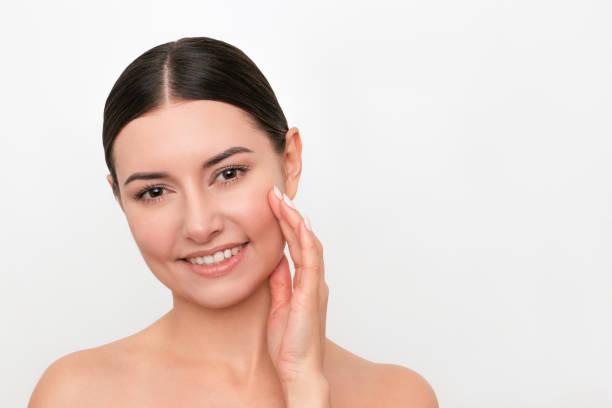
Achieving smoother skin through laser resurfacing is an important step, but maintaining those improvements requires consistent skincare, sun protection, and healthy daily habits. After treatment, the skin continues to repair itself and produce collagen, meaning that proper aftercare plays a significant role in supporting the healing process. Fractional CO2 Laser Treatment in Riyadh can help improve selected concerns, including acne scars, fine lines, rough texture, and uneven skin tone, but long-term results depend partly on how well you care for your skin afterward.
Many people focus on the procedure itself without considering the importance of recovery and ongoing maintenance. Newly treated skin can be sensitive, and inappropriate products or excessive sun exposure may cause irritation or pigmentation changes. Understanding how to protect your skin, when to resume your usual routine, and which habits to avoid can help you maintain the benefits of Fractional CO2 Laser Treatment in Riyadh while supporting overall skin health.
Why Is Aftercare Important After Fractional CO2 Laser Treatment?
Fractional CO2 laser treatment creates controlled microscopic areas of injury in the skin to stimulate renewal and collagen remodelling. During recovery, the skin barrier temporarily becomes more vulnerable to dryness, irritation, infection, and environmental damage.
Following appropriate aftercare instructions helps the skin heal while reducing avoidable complications. It also supports the gradual improvements that develop as collagen remodelling continues over the following weeks and months. Although good aftercare cannot guarantee a particular outcome, it is an essential part of a responsible treatment plan.
Keep Your Skin Clean and Hydrated
Use a Gentle Cleanser
During the early recovery period, cleanse your skin only as directed by your practitioner. Choose a mild, fragrance-free cleanser that does not contain harsh exfoliating ingredients. Use lukewarm water and gentle movements rather than scrubbing or rubbing the treated area.
Avoid abrasive cleansing brushes, rough washcloths, and products that leave the skin feeling tight or irritated. Your practitioner may provide specific cleansing instructions based on the laser intensity and the condition of your skin.
Apply a Suitable Moisturiser
Moisturising helps reduce dryness and supports the skin barrier while it heals. Use the ointment or moisturiser recommended by your practitioner, particularly during the initial recovery phase. Avoid experimenting with unfamiliar products while the skin remains sensitive.
Do not pick at peeling skin, remove crusts, or pull away loose flakes. Allow the skin to shed naturally, as interfering with the healing process can increase the risk of irritation, infection, and post-inflammatory pigmentation.
Protect Your Skin From Sun Exposure
Sun protection is one of the most important long-term maintenance steps after Fractional CO2 Laser Treatment in Riyadh. Ultraviolet exposure can contribute to premature ageing, uneven pigmentation, and the gradual return of some skin concerns. Recently treated skin is especially sensitive to sunlight.
During early recovery, follow your practitioner's advice about avoiding direct sunlight and when to begin using sunscreen. Once the skin has healed sufficiently, apply a broad-spectrum sunscreen with SPF 30 or higher, preferably SPF 50 for strong sun exposure. Reapply as directed, especially when spending extended periods outdoors.
Wide-brimmed hats, shade, and protective clothing provide additional support. Avoid tanning beds and intentional tanning, as these can damage the skin and increase the risk of pigmentation changes.
Know When to Resume Your Skincare Routine
Returning to your regular skincare routine too quickly may irritate the skin and interfere with healing. Products that were previously well tolerated can cause discomfort while the skin barrier is recovering.
Introduce Active Ingredients Gradually
Retinoids, exfoliating acids, benzoyl peroxide, and strong vitamin C formulations may need to be paused around treatment. Restart them only when your practitioner confirms that the skin has healed sufficiently. Introduce products gradually rather than using several active ingredients at once.
A gentle cleanser, suitable moisturiser, and sunscreen are often the foundation of a maintenance routine after recovery. Your practitioner can recommend additional products according to your skin type and concerns.
Avoid Aggressive Exfoliation
Do not use facial scrubs, at-home peels, or other resurfacing products during the healing period unless specifically approved. Excessive exfoliation can increase redness, sensitivity, and the risk of pigmentation changes.
Once recovery is complete, any exfoliating routine should be selected carefully and introduced at an appropriate frequency.
Maintain Results With Healthy Daily Habits
Long-term skin health is supported by habits that protect the skin and help maintain its natural barrier. Eat a balanced diet with a variety of fruits, vegetables, protein sources, and other nutrient-rich foods. Drink enough water to maintain normal hydration, and aim for consistent, adequate sleep.
Avoid smoking, which can contribute to premature skin ageing and interfere with normal tissue repair. Limit unnecessary sun exposure and use skincare products suited to your skin rather than frequently switching between strong treatments.
These habits cannot stop natural ageing or guarantee permanent results, but they can support healthier-looking skin over time.
Attend Follow-Up Appointments
Follow-up visits allow your practitioner to assess how the skin has healed and whether your results are developing as expected. Collagen remodelling takes time, so improvements in texture and selected scars may continue for several weeks or months after treatment.
During these visits, discuss any lingering redness, sensitivity, uneven pigmentation, or other concerns. Do not schedule additional resurfacing procedures simply because the initial results are not immediately visible. Your skin may need more time to recover, and the appropriate interval between sessions depends on your individual response.
What Should You Avoid After Fractional CO2 Laser Treatment?
Avoid picking, scratching, or peeling the treated skin manually. Do not expose the area to excessive heat, intense sunlight, or activities that your practitioner advises against during early recovery. Strong skincare products, unapproved cosmetic procedures, and premature exfoliation can increase irritation.
Avoid applying makeup until the skin has healed enough for it to be safe, according to your practitioner's instructions. If you notice worsening pain, spreading redness, pus, fever, or unusual symptoms, contact your healthcare provider promptly rather than attempting to treat the problem yourself.
How Long Can Your Results Last?
The duration of results varies according to the original skin concern, treatment intensity, age, skin type, sun exposure, and ongoing skincare habits. Improvements in selected acne scars may be long-lasting, while fine lines, pigmentation, and roughness can gradually return or develop again as the skin continues to age.
Fractional CO2 Laser Treatment in Riyadh is intended to improve specific skin concerns rather than permanently stop ageing or eliminate every irregularity. Consistent sun protection, appropriate skincare, and professional follow-up can help maintain the improvements achieved. Some patients may benefit from additional treatments, but these should be considered only after an individual assessment.
Book Your Follow-Up Consultation at Royal Clinic Saudia
Maintaining your laser resurfacing results begins with the right aftercare and a personalised long-term skincare plan. Royal Clinic Saudia can help you understand how to care for your skin after treatment, when to resume your usual products, and whether further sessions may be appropriate. A professional follow-up can also help address recovery concerns and support healthy-looking skin over time.
FAQs:
What is the most important step after fractional CO2 laser treatment?
Following your practitioner's aftercare instructions and protecting your skin from sunlight are essential. Gentle cleansing, appropriate moisturising, and avoiding premature use of irritating products also support recovery.
Can I use retinol after fractional CO2 laser treatment?
Retinol and other retinoids should generally be paused around the procedure and restarted only when your practitioner confirms that your skin has healed sufficiently. The timing varies according to treatment intensity and your skin's recovery.
Can fractional CO2 laser treatment results be permanent?
Some improvements, such as those in selected acne scars, may be long-lasting. However, natural ageing, sun exposure, and new skin concerns can affect your appearance over time, so results are not guaranteed to remain unchanged permanently.
When can I return to my normal skincare routine after treatment?
The timing depends on how intensive the procedure was and how quickly your skin heals. Gentle products may be introduced first, while exfoliants and other active ingredients may need to wait longer. Follow your practitioner's specific recommendations.

 French
 Spanish
 Deutsch
 Turkish
 Italiano
 Russian