
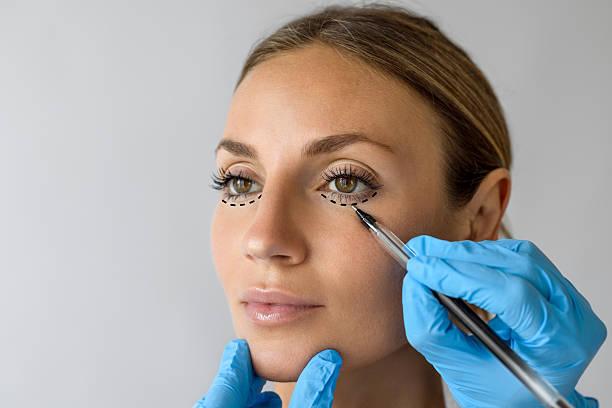
Dark circles under the eyes can develop for several reasons, including genetics, excess pigmentation, allergies, ageing, and changes in facial structure. Although they are often associated with poor sleep, tiredness is only one possible factor. Identifying the underlying cause is essential for choosing an appropriate Dark Circles Treatment in Riyadh and avoiding skincare methods that may not address the actual concern. By observing the colour, appearance, and associated symptoms, patients can gain useful clues about why their under-eye area looks darker.
Not all dark circles look the same, and different causes may occur together. Brown discoloration may indicate pigmentation, while blue or purple tones can be associated with visible blood vessels beneath thin skin. Shadows may also develop when hollows form beneath the eyes. Understanding these differences helps guide Dark Circles Treatment in Riyadh toward the patient's specific needs, whether that involves gentle skincare, managing allergies, or considering a professional aesthetic procedure.
What Are Dark Circles Under the Eyes?
Dark circles refer to a darker appearance of the skin beneath the lower eyelids compared with the surrounding facial skin. Their colour may appear brown, grey, blue, or purple depending on skin tone, pigmentation, blood vessels, and the structure of the under-eye area.
The skin around the eyes is naturally delicate and relatively thin. As a result, small changes in pigmentation, circulation, or underlying tissue can become noticeable. Some people have dark circles from an early age, while others develop them gradually because of ageing, irritation, or lifestyle factors.
How to Identify Different Types of Dark Circles
Observing the appearance of dark circles can provide initial clues about their possible cause. However, appearance alone cannot confirm a diagnosis, and a professional assessment may be needed when the cause is unclear.
Brown or Dark Brown Discoloration
Brown under-eye discoloration may be associated with increased melanin production, often referred to as hyperpigmentation. Genetics, sun exposure, inflammation, and repeated rubbing can contribute to this type of darkness.
If the area appears consistently brown rather than shadowed, pigmentation may be one possible explanation. Gentle skincare and sun protection can help prevent further discoloration, while a dermatologist can assess whether targeted treatment may be appropriate.
Blue or Purple Under-Eye Circles
Blue or purple tones may occur when blood vessels beneath the thin under-eye skin become more visible. Skin thickness and individual anatomy can influence how noticeable these vessels appear.
These dark circles may become more prominent when the skin is thin or the area is affected by fatigue or puffiness. Treatments intended for excess melanin may have limited benefits when visible blood vessels are the primary cause.
Shadows Beneath the Eyes
Darkness that appears more noticeable under certain lighting conditions may result from hollows beneath the lower eyelids. These depressions, sometimes called tear-trough hollows, can create shadows that resemble pigmentation.
Age-related changes in facial fat, skin elasticity, and underlying bone structure may contribute to this appearance. A qualified practitioner can help determine whether the concern is primarily structural rather than pigment-related.
Dark Circles With Puffiness
When darkness occurs alongside swelling or under-eye bags, fluid retention, allergies, or age-related changes may be contributing factors. Puffiness can alter the way light falls across the face, making shadows more noticeable.
Observe whether the swelling changes throughout the day or occurs with itching, sneezing, or watery eyes. Persistent or unexplained swelling should be assessed by a healthcare professional.
What Are the Main Causes of Dark Circles?
Several factors can contribute to under-eye darkness. Identifying relevant triggers can help you decide which lifestyle changes or professional assessments may be useful.
Genetics and Family History
If close family members have similar under-eye darkness, genetics may play an important role. Inherited characteristics can influence skin pigmentation, skin thickness, and the shape of the area beneath the eyes.
Genetic dark circles may persist even when sleep, hydration, and skincare habits are healthy. Understanding this factor can help establish realistic expectations for improvement.
Lack of Sleep and Fatigue
Insufficient sleep can make the complexion appear dull and existing shadows more noticeable. Fatigue may also contribute to puffiness, which changes the appearance of the under-eye area.
If dark circles become more noticeable after poor sleep and improve with adequate rest, fatigue may be a contributing factor. However, persistent darkness should not automatically be attributed to sleep deprivation.
Allergies and Skin Irritation
Allergies can cause itching, swelling, congestion, and repeated eye rubbing. Over time, inflammation and irritation may contribute to darker pigmentation around the eyes.
If dark circles occur with itchy or watery eyes, consider discussing possible allergies with a healthcare professional. Avoid rubbing the area, as repeated friction may worsen irritation and discoloration.
Ageing and Skin Changes
As people age, the skin may lose collagen and elasticity, while changes in facial fat can create hollows. These changes may make blood vessels more visible or increase shadows beneath the eyes.
In such cases, a pigmentation-focused skincare routine alone may not provide the desired improvement. A professional assessment can help distinguish skin discoloration from structural changes.
Sun Exposure and Lifestyle Factors
Sun exposure can stimulate melanin production, making pigmentation more noticeable. Dehydration may also make the skin appear less plump, while smoking and inconsistent sleep habits can affect overall skin appearance.
Daily sun protection, adequate hydration, and a consistent sleep schedule can support skin health. However, these habits may not fully resolve dark circles caused by genetics or facial anatomy.
How to Assess the Root Cause of Your Dark Circles
A few simple observations can help you understand your symptoms before seeking professional advice.
-
Check the colour: Brown tones may suggest pigmentation, while blue or purple tones can be associated with visible blood vessels.
-
Observe lighting changes: Darkness that changes noticeably with lighting may involve shadows from under-eye hollows.
-
Notice associated symptoms: Itching, sneezing, watery eyes, or swelling may point toward allergies or irritation.
-
Review your routine: Consider whether poor sleep, eye rubbing, or sun exposure makes the appearance worse.
-
Consider your family history: Long-standing dark circles shared by relatives may have a genetic component.
These observations are clues rather than a definitive diagnosis. A dermatologist or qualified aesthetic practitioner can examine the skin and review relevant medical history to help identify the underlying cause.
Which Treatment Is Suitable for Each Cause?
The appropriate treatment depends on the factor responsible for the darkness. Gentle skincare and sun protection may help manage certain pigmentation concerns, while selected superficial chemical peels or laser procedures may be considered for suitable patients.
When thin skin contributes to visible blood vessels, treatment options differ from those used for excess melanin. If hollows create prominent shadows, dermal fillers may be considered for carefully selected patients. Fillers do not directly remove pigmentation and carry specific risks, so they require assessment by an experienced medical professional.
Choosing Dark Circles Treatment in Riyadh should begin with identifying the cause rather than selecting a procedure based only on its popularity. Personalised assessment helps establish realistic goals and reduce the risk of inappropriate treatment.
When Should You Consult a Professional?
Consider professional advice if dark circles persist despite consistent skincare, become increasingly noticeable, or occur alongside ongoing irritation or swelling. An assessment is also helpful if you cannot distinguish pigmentation from shadows or visible blood vessels.
Sudden darkening or swelling affecting one eye, particularly when accompanied by pain or vision changes, should receive prompt medical evaluation. These symptoms should not be treated as an ordinary cosmetic concern.
Book a Consultation at Royal Clinic Saudia
Understanding why dark circles develop is the first step toward choosing a suitable treatment plan. Royal Clinic Saudia can help patients explore aesthetic care options based on their individual skin concerns and goals. Book a consultation to discuss possible causes, learn about appropriate treatments, and understand the results you may realistically expect.
FAQs:
How can I tell whether my dark circles are caused by pigmentation?
Brown discoloration may suggest excess pigmentation, particularly when it remains visible under different lighting conditions. However, skin tone and facial anatomy can influence appearance, so a professional assessment may be needed for confirmation.
Can dark circles be caused by genetics?
Yes. Genetics can influence under-eye pigmentation, skin thickness, and facial structure. Inherited dark circles may persist despite adequate sleep and healthy skincare habits.
Do dark circles caused by lack of sleep disappear with rest?
Fatigue-related dark circles may become less noticeable when sleep improves. However, rest alone may not resolve darkness caused by pigmentation, visible blood vessels, or under-eye hollows.
Can allergies cause permanent dark circles?
Allergies can contribute to irritation and repeated eye rubbing, which may worsen pigmentation over time. Managing the allergy and avoiding rubbing may help prevent further irritation, although existing discoloration may take longer to improve.
What is the best way to confirm the cause of dark circles?
A dermatologist or qualified practitioner can examine the under-eye area, review your symptoms and medical history, and recommend suitable next steps. This helps distinguish pigmentation, visible blood vessels, puffiness, and structural shadows.

 French
 Spanish
 Deutsch
 Turkish
 Italiano
 Russian