
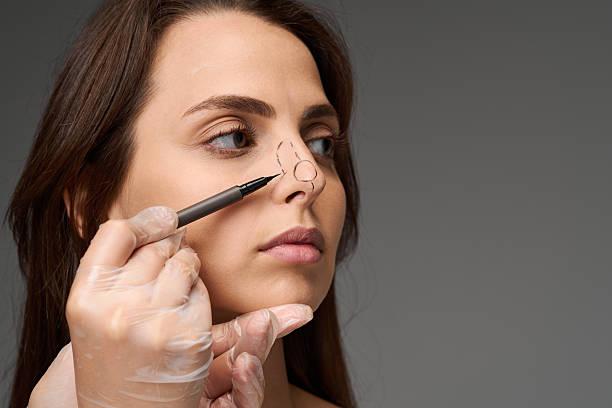
Rhinoplasty is a surgical procedure that reshapes the nose to improve facial balance, address cosmetic concerns, or correct certain structural problems affecting breathing. After surgery, patients often want to know when they can return to work and resume their normal routine. The answer depends on the type of procedure, the amount of swelling and bruising, the physical demands of the job, and individual healing.
For people considering Rhinoplasty in Riyadh, planning time away from work can make recovery less stressful. Although many patients return to some work activities within one to two weeks, some may need additional time before feeling comfortable in public or resuming physically demanding tasks. Your surgeon's recommendations should guide your return-to-work schedule.
Typical Return-to-Work Timeline After Rhinoplasty
Recovery varies, but understanding the general stages can help you plan ahead.
First Few Days After Surgery
During the first few days, rest is usually a priority. Swelling, bruising, nasal congestion, and mild discomfort can make normal activities more difficult. You may also feel tired as your body recovers from surgery and anesthesia.
If possible, arrange for time off work during this initial period. Follow your surgeon's instructions regarding medication, head elevation, nasal care, and follow-up appointments. Avoid driving while affected by anesthesia or medicines that cause drowsiness.
One to Two Weeks After Surgery
Many patients can return to desk-based or remote work within one to two weeks, depending on their recovery and the advice of their surgeon. However, bruising around the eyes and visible swelling may still be present.
If your job involves frequent meetings, public-facing responsibilities, or video calls, consider whether you feel comfortable returning while these temporary changes remain. You may wish to arrange remote work or a gradual return if your employer can accommodate it.
Two to Four Weeks After Surgery
As healing progresses, many patients find everyday activities more comfortable. However, the nose may remain sensitive, and residual swelling can still affect its appearance.
People with jobs involving regular movement, prolonged standing, or light physical activity may need individualized guidance before returning to their full duties. Do not assume that feeling better means all restrictions have ended.
Returning to Physically Demanding Work
Jobs involving heavy lifting, strenuous activity, frequent bending, or a risk of facial injury may require a longer recovery period. These activities can increase blood pressure, worsen swelling, or expose the healing nose to accidental impact.
Ask your surgeon when you can safely resume your specific responsibilities. A phased return, temporary reassignment, or modified duties may be appropriate in some situations.
Factors That Affect Your Return-to-Work Date
There is no single timeline that suits every patient. Several factors influence how quickly you can return to your normal schedule.
The Type of Rhinoplasty
The extent of surgery can affect recovery. A relatively straightforward procedure may involve a different recovery experience from a more complex operation involving substantial structural changes, cartilage grafting, or functional correction.
Revision rhinoplasty may also require additional healing time because the tissues have been operated on previously. Your surgeon can estimate an appropriate period away from work based on your treatment plan.
Swelling and Bruising
Swelling and bruising are common after rhinoplasty, particularly during the first week. These symptoms generally improve over time, but their severity differs among patients.
Some people feel ready to work before the visible signs of surgery have faded. Others prefer additional time away from work until they feel more comfortable. Remember that the nose can remain swollen for months, even after you have resumed normal activities.
The Nature of Your Job
Your daily responsibilities play an important role in determining when it is safe to return. Office-based work may be easier to resume than construction, warehouse duties, fitness instruction, or other physically demanding occupations.
If your work environment exposes you to dust, fumes, heat, or potential facial impacts, discuss these risks with your surgeon. You may need protective measures or temporary adjustments before returning.
Your General Health and Healing
Age, overall health, smoking or nicotine use, medication, and individual healing responses can influence recovery. Following your postoperative instructions and attending follow-up appointments can help your surgical team monitor your progress.
Avoid comparing your recovery with another patient's experience. Your return-to-work decision should be based on your own condition and the advice of your healthcare provider.
Tips for Returning to Work Comfortably
Planning ahead can make the transition back to work easier. Consider these practical steps:
-
Arrange adequate time off before surgery, allowing flexibility if recovery takes longer than expected.
-
Prepare your workspace so that essential items are easy to reach without heavy lifting.
-
Keep your head elevated when resting if your surgeon recommends it.
-
Take prescribed medications only as directed and avoid driving if they cause drowsiness.
-
Follow restrictions on exercise, bending, lifting, and other physical activities.
-
Attend scheduled follow-up appointments and ask when you can resume normal duties.
-
Discuss temporary remote work or reduced responsibilities with your employer if appropriate.
Do not rush back simply because you have an important deadline. Returning too early to strenuous activities may interfere with healing or increase the risk of complications.
When Is It Safe to Return to Exercise?
Returning to work and returning to exercise are separate decisions. Even if you feel ready for desk work after one or two weeks, vigorous workouts, heavy lifting, and activities that raise blood pressure may still be restricted.
Gentle walking may be permitted early in recovery, depending on your surgeon's advice. More intense exercise should be resumed gradually and only when approved. Contact sports and activities with a risk of facial injury may require a longer restriction period.
If your job includes physical training, lifting, or repetitive bending, ask your surgeon for specific guidance rather than relying on the timeline for office workers.
When Should You Delay Returning to Work?
Consider delaying your return and contacting your surgical team if you have significant pain, worsening swelling, persistent bleeding, fever, or symptoms that make it difficult to perform your duties safely.
Seek urgent medical attention for heavy or persistent bleeding, major breathing difficulties, sudden vision changes, or other severe symptoms. These should not be treated as routine recovery problems.
Your surgeon can assess your healing and help determine whether additional rest or medical evaluation is needed.
Planning Your Rhinoplasty Recovery in Riyadh
Before surgery, ask your specialist how much time you should plan away from work, when you can attend meetings comfortably, and which activities you must temporarily avoid. If you are considering Rhinoplasty in Riyadh, discuss your work schedule and responsibilities during your consultation so that your recovery plan reflects your needs.
Royal Clinic Saudia can be a starting point for arranging a rhinoplasty consultation and discussing postoperative care. A qualified specialist can explain the expected recovery timeline, review potential risks, and advise when you may safely return to your normal routine. Individual medical advice should always take priority over general timelines.
FAQs:
Can I return to work three days after rhinoplasty?
Some patients may feel well enough for limited remote tasks after a few days, but this may be too soon for a full workday or an in-person return. Follow your surgeon's advice and consider swelling, discomfort, medication effects, and job requirements.
Should I take two weeks off work after rhinoplasty?
One to two weeks is a common planning range for desk-based work, but it is not a guarantee. You may need less or more time depending on your recovery, the surgical technique, and whether your job involves physical activity.
Can I return to work while my nose is still swollen?
Yes, many patients return to work while some swelling remains. However, visible bruising or swelling may influence your comfort in public-facing roles. Residual swelling can continue for several months after you resume everyday activities.
When can I return to a physically demanding job after rhinoplasty?
The timeline depends on the demands of your job and your healing progress. Heavy lifting, strenuous activity, and work with a risk of facial injury may require a longer break. Obtain clearance from your surgeon before resuming these duties.

 English
 French
 Spanish
 Deutsch
 Turkish
 Russian