
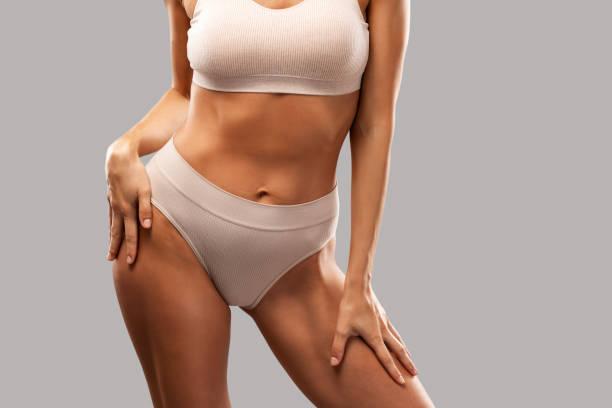
Liposuction is a cosmetic surgical procedure designed to remove stubborn fat deposits and improve body contours. However, people with loose or sagging skin may need to consider additional factors before choosing this treatment. Although liposuction can reduce fat beneath the skin, it does not reliably tighten significantly loose skin. If you are considering a Liposuction procedure in Riyadh (عملية شفط الدهون في الرياض), understanding your skin condition, treatment options, and expected results can help you make an informed decision.
What Is Liposuction?
Liposuction is a body-contouring procedure that removes localized fat through small incisions using a thin tube called a cannula. It can treat areas such as the abdomen, thighs, arms, hips, back, and chin. The goal is to reshape selected areas rather than achieve significant weight loss. Results depend on factors such as fat distribution, skin elasticity, and overall health.
Can Liposuction Treat Loose Skin?
Liposuction removes excess fat but does not directly remove loose skin. After fat is removed, the skin must adapt to the body's new contours. People with good skin elasticity may experience some natural skin retraction, while those with substantial sagging may notice that loose skin remains or becomes more visible.
The suitability of liposuction therefore depends on the degree of skin laxity, the treatment area, and individual anatomy. A qualified plastic surgeon can assess these factors and recommend an appropriate approach.
What Causes Loose Skin?
Significant Weight Loss
After substantial weight loss, the skin may not fully retract to match the body's reduced size. This can leave excess skin around the abdomen, arms, thighs, and other areas. In these situations, removing more fat may not address the primary concern.
Aging and Reduced Skin Elasticity
As people age, the skin gradually loses some of its elasticity and structural support. This can make it harder for the skin to adapt after fat removal. The extent of these changes varies between individuals.
Pregnancy
Pregnancy can stretch the abdominal skin and tissues. After childbirth, some people experience persistent loose skin around the abdomen. Liposuction may help when localized fat is present, but it does not remove excess skin or repair separated abdominal muscles.
Who Is a Suitable Candidate for Liposuction?
Liposuction may be suitable for adults who are near a stable, healthy weight, have localized fat deposits, and retain enough skin elasticity for the skin to adapt after treatment. Candidates should be in suitable overall health and have realistic expectations about the results.
People with substantial sagging skin may need a procedure that removes excess skin rather than liposuction alone. A medical assessment is especially important for individuals with conditions that affect healing or increase surgical risks. The surgeon will review medical history, examine the treatment area, and discuss the potential benefits and limitations.
Liposuction vs. Skin-Removal Surgery
Liposuction
Liposuction focuses on removing fat beneath the skin. It may be appropriate when localized fat is the main concern and skin elasticity is reasonably good. It does not reliably correct significant skin laxity.
Tummy Tuck
A tummy tuck, also known as abdominoplasty, removes excess abdominal skin and may tighten separated abdominal muscles when appropriate. It may be considered when loose abdominal skin is a major concern, particularly after pregnancy or substantial weight loss.
Arm Lift and Thigh Lift
An arm lift removes excess skin from the upper arms, while a thigh lift removes excess skin from the thighs. These procedures may be considered when skin sagging is more noticeable than localized fat. They involve incisions and can leave permanent scars.
The best option depends on the treatment area, amount of loose skin, fat distribution, medical history, and personal goals.
Can Skin Tighten Naturally After Liposuction?
Some skin retraction may occur after liposuction, especially in people with good elasticity. However, the amount of tightening is unpredictable and depends on age, genetics, skin quality, and the area treated. Liposuction should not be chosen with the expectation that it will eliminate significant loose skin.
Non-surgical skin-tightening treatments may offer modest improvements for some people, but results vary and may not match those achieved through surgery. A qualified clinician can explain which options are realistic for your particular condition.
What Is the Recovery Process Like?
Recovery depends on the procedure performed. After liposuction, temporary swelling, bruising, tenderness, and numbness are common. If skin-removal surgery is performed, recovery may involve additional wound care and restrictions on physical activity. Compression garments may be recommended, depending on the procedure.
Following postoperative instructions and attending follow-up appointments can help support healing. Contact your healthcare provider if you develop fever, worsening pain, spreading redness, or unusual drainage. Sudden shortness of breath or chest pain requires emergency medical attention.
What Are the Risks and Limitations?
Liposuction can cause complications such as infection, bleeding, fluid accumulation, uneven contours, asymmetry, changes in skin sensation, and skin irregularities. In people with poor skin elasticity, the treated area may appear loose or uneven after fat removal.
Skin-removal surgery carries its own risks, including visible scars, delayed wound healing, infection, and fluid collection. All surgical procedures also carry anesthesia-related risks, and blood clots are a possible serious complication. A qualified surgeon can explain the risks based on your health and treatment plan.
How to Choose the Right Treatment
Start by identifying whether your main concern is excess fat, loose skin, or a combination of both. Maintaining a stable weight before body-contouring surgery can help support more predictable results. During a consultation, ask the surgeon about expected skin retraction, incision placement, scarring, recovery time, and alternative treatments.
If you are considering a Liposuction procedure in Riyadh, a personalized assessment can help clarify whether liposuction alone is appropriate or whether a skin-removal procedure may better meet your goals.
Book a Consultation at Royal Clinic Saudia
Royal Clinic Saudia (عيادات رويال كلينك) can be a starting point for arranging a consultation with a qualified clinician to discuss body-contouring options. Share your concerns about loose skin, your medical history, and your desired outcome. A professional assessment can help you understand the potential benefits and limitations of each treatment and choose an approach based on your individual needs.
FAQs:
Can liposuction make loose skin worse?
It can make existing loose skin more noticeable because fat is removed from beneath the skin. The likelihood depends on skin elasticity, the treatment area, and the amount of fat removed.
Is liposuction suitable after major weight loss?
It may be suitable if localized fat remains and skin elasticity is adequate. People with substantial excess skin may benefit more from skin-removal surgery, depending on their individual circumstances.
Does liposuction tighten the skin naturally?
Some natural skin retraction may occur in people with good elasticity, but liposuction does not reliably tighten significant loose skin.
Which procedure is better for loose skin and excess fat?
The best option depends on the area and severity of the concern. Liposuction targets fat, while procedures such as a tummy tuck, arm lift, or thigh lift remove excess skin when appropriate.

 French
 Spanish
 Deutsch
 Turkish
 Italiano
 Russian