
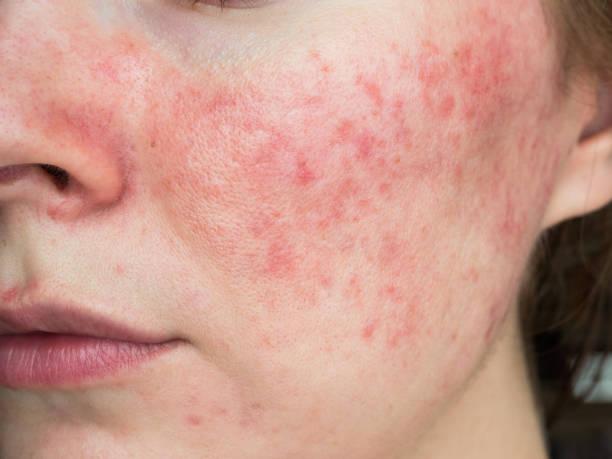
Laser acne scar treatments can produce impressive improvements in skin texture and tone, but they are not appropriate for every patient or every scar. The difference between a good outcome and a disappointing one often comes down to the assessment performed beforehand. Dermatologists evaluate multiple factors before recommending treatment, ensuring that the right technology is matched to the right skin. Laser Acne Scar Treatments in Riyadh explains how dermatologists assess skin before laser acne scar treatments and why each step matters.
Why Assessment Comes Before Treatment
Laser treatment creates controlled injury to the skin, and the margin between effective treatment and complication is narrow. A thorough assessment identifies which lasers are safe for your skin, which scars will respond, and what results are realistic. Skipping or rushing this step increases the risk of burns, pigmentation changes, infection, and dissatisfaction. For anyone considering Laser Acne Scar Treatments in Riyadh, assessment is not a formality; it is the foundation of safe and effective care.
Step One: Medical History Review
Assessment begins with your medical history. Dermatologists ask about prior acne treatment, current medications, and any history of cold sores, keloids, or poor wound healing. They review autoimmune conditions, bleeding disorders, and photosensitizing medications. Isotretinoin use requires specific timelines before laser treatment. Honest disclosure allows your dermatologist to identify contraindications and plan safely. Patients searching for acne scar treatment in riyadh should provide complete information during consultation.
Step Two: Scar Classification
Different scars require different lasers. Dermatologists classify scars as ice pick, boxcar, rolling, or hypertrophic. Ice pick scars are narrow and deep, often needing fractional ablative lasers or TCA CROSS. Boxcar scars respond to resurfacing. Rolling scars may require subcision before laser treatment. Hypertrophic scars often need vascular lasers or steroid injections. Accurate classification determines the treatment plan.
Step Three: Skin Tone and Type Assessment
Skin tone significantly influences laser selection. Lighter skin tones tolerate a broader range of technologies, including ablative lasers. Darker skin tones require specific devices such as Nd:YAG or certain fractional non-ablative lasers to avoid post-inflammatory hyperpigmentation. Skin type also matters; oily, dry, and sensitive skin respond differently. Dermatologists assess these characteristics to select the safest and most effective approach.
Step Four: Evaluating Skin Quality and Thickness
Skin quality affects how well treatment will be tolerated and how it will heal. Thick, resilient skin may tolerate more aggressive settings. Thin, fragile skin requires gentler approaches. Dermatologists assess elasticity, hydration, and barrier function. They also check for active infections, dermatitis, or other conditions that should be treated before laser therapy.
Step Five: Confirming Active Acne Is Controlled
Laser treatment should not be performed on active, inflamed acne. Treating scars while breakouts are ongoing can worsen inflammation, spread infection, and compromise results. Dermatologists assess whether acne is sufficiently controlled. If not, acne treatment may be recommended first, with laser treatment planned for later.
Step Six: Reviewing Medications and Supplements
Certain medications and supplements increase bleeding, bruising, or photosensitivity. Blood thinners, aspirin, ibuprofen, and herbal supplements like ginkgo and high-dose vitamin E should be paused with medical approval. Some antibiotics and acne medications require specific timelines. Dermatologists review all medications to ensure safe treatment.
Step Seven: Discussing Goals and Expectations
Assessment includes understanding your goals. Are you most concerned with texture, tone, or both? Do you want maximum improvement with longer downtime, or gradual improvement with minimal disruption? Are you preparing for an event? Honest conversation ensures the plan aligns with what matters most to you. Dermatologists also set realistic expectations about what laser treatment can and cannot achieve.
Step Eight: Planning the Treatment Approach
Based on assessment, dermatologists design a personalized plan. This may involve a single laser or a combination of technologies. Subcision, microneedling, fillers, or PRP may be added. The sequence and spacing of treatments are planned to maximize results and minimize risks. Patients researching acne scar treatment in riyadh should expect a tailored plan rather than a standard protocol.
Step Nine: Determining Session Frequency
The number and frequency of sessions depend on scar severity, laser type, and healing capacity. Most patients require three to six sessions spaced four to six weeks apart. Dermatologists adjust the schedule based on how the skin responds. Assessment establishes a realistic timeline for results.
Step Ten: Reviewing Aftercare Requirements
Aftercare is essential for safety and results. Dermatologists explain the importance of gentle cleansing, moisturizing, and strict sun protection. They clarify when active ingredients can be resumed and which activities to avoid. Understanding these requirements before treatment ensures compliance and protects results.
Book an Appointment Consultation Clinic
For those seeking expert guidance and customized aesthetic care, you can book an appointment consultation at the Enfield Royal Riyadh. Their team performs thorough dermatological assessments and designs personalized laser plans for safe, effective results.
FAQs
Why do dermatologists assess skin before laser treatment?
To determine scar type, skin tone, medical suitability, and the safest, most effective approach.
What happens during a laser acne scar assessment?
Medical history review, scar classification, skin tone evaluation, and treatment planning.
Can I skip assessment and book laser treatment directly?
No, assessment is essential to determine candidacy and select the right technology safely.
How long does a dermatological assessment take?
Most assessments last twenty to forty-five minutes, depending on complexity.
Is acne scar treatment in riyadh preceded by dermatologist assessment?
Yes, quality providers always assess skin thoroughly before recommending laser treatment.
Conclusion
Dermatologists assess skin before laser acne scar treatments through medical history review, scar classification, skin tone evaluation, and treatment planning. This thorough approach ensures the right technology is selected, risks are minimized, and expectations are realistic. If you are considering Laser Acne Scar Treatments in Riyadh, choose a provider who prioritizes assessment over quick scheduling. Comprehensive evaluation is the foundation of safe, effective, and satisfying treatment.

 English
 French
 Spanish
 Deutsch
 Italiano
 Russian