
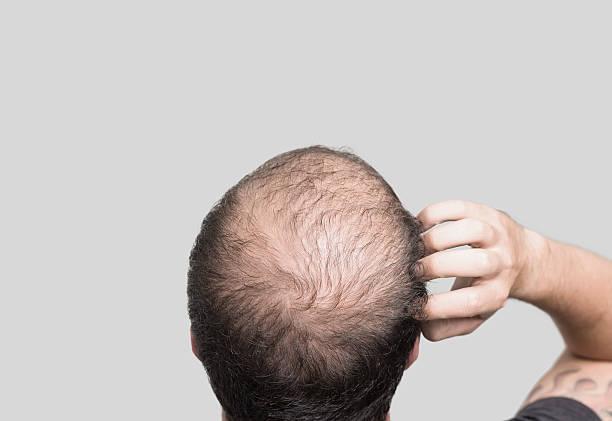
Genetics can play a major role in determining how hair grows, how thick it appears, and how susceptible a person may be to certain types of hair loss. Hereditary hair loss can gradually affect the hairline, crown, or overall density and may progress differently from one person to another. PRP Hair Treatment in Riyadh may be considered for some patients with genetically influenced thinning because it is designed to support existing hair follicles. Understanding the relationship between genetics and PRP can help patients develop realistic expectations about treatment.
How Do Genetics Affect Hair Loss?
Genetic hair loss is influenced by inherited characteristics that affect the behavior and sensitivity of hair follicles. In conditions such as androgenetic alopecia, follicles may gradually become smaller and produce finer, shorter hairs. The pattern and rate of progression can vary based on genetic factors and other influences.
Why Family History Matters
A family history of hair thinning can provide useful information when assessing a patient's risk of hereditary hair loss. However, having relatives with hair loss does not necessarily mean that an individual will experience the same pattern or severity. A professional assessment is still important for identifying the likely cause.
Can PRP Help With Genetic Hair Loss?
PRP may be considered when genetically influenced hair loss has left viable follicles in areas of thinning. The treatment involves preparing platelet-rich plasma from the patient's own blood and injecting it into selected areas of the scalp. Platelets contain growth factors involved in tissue repair and cellular signaling, which may help support the local environment around existing follicles.
PRP Does Not Change Your Genes
An important point for patients to understand is that PRP does not alter the genetic characteristics responsible for hereditary hair loss. Instead, it is intended to support the activity of existing follicles. This means that PRP should not be viewed as a permanent way to eliminate genetic susceptibility to hair loss.
Why Does Follicle Health Matter?
The condition of the hair follicles can influence how an individual responds to treatment. When follicles are still producing thin or miniaturized hairs, they may have more potential to respond to approaches designed to support their function. Areas where follicles have been permanently lost require different considerations.
Early Thinning and Treatment
Recognizing progressive thinning earlier may provide more opportunities to discuss available treatment options. Patients who notice increasing hair shedding, a widening part, a receding hairline, or reduced density may benefit from professional evaluation rather than waiting until substantial hair loss has occurred.
Does Genetics Determine PRP Results?
Genetics can be one factor affecting treatment outcomes, but it is not the only consideration. The underlying type of hair loss, stage of follicle miniaturization, age, overall health, scalp condition, treatment plan, and individual response can all influence results.
Why Results Vary Between Patients
Two people with similar-looking hair loss may respond differently to the same treatment. Differences in genetic background, follicle condition, lifestyle, and other biological factors can contribute to this variation. For this reason, results from another patient should not be treated as a guarantee of what someone else will experience.
Can PRP Stop Hereditary Hair Loss?
PRP is generally considered a supportive treatment rather than a guaranteed method for stopping the genetic process behind hereditary hair loss. Some patients may experience improvements in hair density or thickness, while others may have a more limited response.
Setting Realistic Expectations
Patients should understand that gradual improvement is different from completely reversing genetic hair loss. A professional can explain what PRP may realistically accomplish based on the current condition of the scalp and follicles.
Can PRP Be Combined With Genetic Hair Loss Treatments?
Depending on the patient's diagnosis and medical history, PRP may sometimes be incorporated into a broader treatment plan. Other approaches can include topical or oral medications, scalp treatments, or hair transplantation when appropriate.
Why Combination Plans May Be Considered
Different treatments can address different aspects of hair loss. For example, medication may target pathways involved in hereditary hair loss, while PRP is intended to provide localized biological stimulation. Whether these approaches should be combined depends on individual circumstances and professional recommendations.
What Happens If Genetic Hair Loss Becomes Advanced?
As hereditary hair loss progresses, some follicles may become increasingly miniaturized or eventually cease producing visible hair. At an advanced stage, treatments designed to support existing follicles may have limitations.
When Other Options May Be Discussed
If significant permanent hair loss has occurred, a professional may discuss other approaches, including hair transplantation, depending on donor-hair availability and the patient's goals. PRP and transplantation have different purposes and are not interchangeable.
How Can Patients Support Their Hair Treatment?
Although genetics cannot be changed through diet or lifestyle, maintaining general health can support normal hair and scalp function. Adequate nutrition, appropriate scalp care, stress management, and following a recommended treatment schedule can all contribute to an overall hair-care plan.
Follow Professional Recommendations
Patients should inform their provider about medications, supplements, previous hair treatments, and changes in hair loss. Consistent follow-up can also help monitor whether the treatment plan is producing the expected response and whether adjustments are appropriate.
How Should You Prepare for PRP With Genetic Hair Loss?
Before treatment, a professional may evaluate the pattern and duration of hair loss and examine the scalp and existing hair follicles. This helps determine whether PRP is a reasonable option and whether another cause may be contributing to the thinning.
Understanding Your Diagnosis
A clear diagnosis is important because not all hair loss is hereditary. Nutritional deficiencies, hormonal changes, stress, medical conditions, medications, and scalp disorders can also cause shedding or thinning. Treating the correct underlying issue is an important part of achieving an appropriate treatment strategy.
What Can Patients Expect From PRP?
PRP results generally develop gradually because hair follicles follow a natural growth cycle. Some patients may notice changes in shedding or hair quality before more visible changes in density become apparent. Multiple sessions may be recommended depending on the individual's condition and response.
Long-Term Considerations
Because genetic hair loss can continue to progress, maintaining results may require an ongoing management strategy. PRP Hair Treatment in Riyadh can be one component of that strategy when a qualified professional determines that it suits the patient's condition and goals.
Book an Appointment at Royal Clinic Saudia
If you are experiencing hereditary hair thinning and want to explore whether PRP may be appropriate, Royal Clinic Saudia can provide a professional consultation. An individualized assessment can help identify the likely cause of your hair loss and discuss suitable treatment options based on your follicle condition and goals.
FAQs
Does genetics affect PRP hair treatment results?
Genetics can influence the pattern and progression of hair loss and may contribute to differences in treatment response. Other factors, including follicle health and the underlying cause of thinning, also matter.
Can PRP cure genetic hair loss?
PRP does not cure or remove the genetic tendency responsible for hereditary hair loss. It is intended to support existing follicles and may help some patients improve the appearance of thinning hair.
Is PRP suitable for advanced genetic hair loss?
PRP may have limitations when follicles have been permanently lost. A professional assessment can determine whether viable follicles remain and whether PRP or another treatment approach is appropriate.
Can PRP be combined with other treatments for hereditary hair loss?
In selected cases, PRP may be incorporated into a broader treatment plan that includes other therapies. The appropriate combination depends on the patient's diagnosis, medical history, and treatment goals.

 French
 Spanish
 Deutsch
 Turkish
 Italiano
 Russian